New York, February 25th, 2026
 Treeview is a premier XR development studio and spatial computing agency with a strategic dual presence in New York City and Montevideo, Uruguay. Since 2016, the studio has combined North American market proximity with world-class Latin American engineering talent to build immersive software for global innovators such as Meta, Microsoft, Medtronic, and Toyota. Renowned for its senior-only talent model and a long-term partnership mindset, Treeview delivers high-impact solutions in training, clinical research, and robotics simulation with the speed of a startup, while ensuring clients maintain full ownership of IP and source code—a standard of excellence recognized by Forbes, TechCrunch, and Bloomberg.
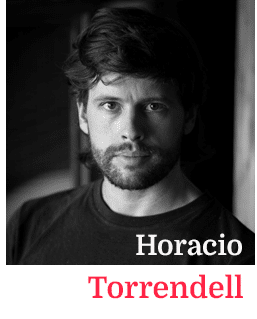
Horacio Torrendell, the Founder and CEO of Treeview, is a technological visionary driven by the belief that spatial computing is the ultimate bridge between humanity and technology. With a background influenced by history, the arts, and philosophy, Horacio has led Treeview from its roots as a garage VR studio to its current position as a globally recognized leader in the XR landscape. An indefinite optimist regarding the intersection of AI and immersive tech, he views the next wave of innovation as a shift toward context-aware workspaces and agentic interfaces. In this second interview with us, Horacio explores the new design language of Android XR and why true mastery in software is defined by the details that users feel rather than see.
Horacio, it’s great to speak with you again. You’ve lived and worked across different countries — what do you feel you “collect” from each place you experience?
I grew up in Atlanta, Georgia, in the United States, lived in the European Union for many years, and have also spent a significant part of my life in Uruguay. Experiencing these different environments has given me a global perspective and a comfort with radical changes in settings, environments, cultures and even language.
Since our last conversation, what shift in the XR or spatial computing landscape has surprised you the most?
Since we last talked, Google entered the industry with Android XR and the Galaxy XR headset in collaboration with Samsung. I feel Google introduced a new interface paradigm that is defining a different design language for XR developers, one that is based on AI conversations with 3D applications through Gemini. Instead of interacting only through buttons and menus, users can communicate directly with the application in a more fluid way. This is a very interesting new paradigm in XR, and we are starting to see the first applications that are leveraging this concept.
2026 feels like a defining moment for immersive technologies. What signals tell you whether the industry is accelerating — or consolidating?
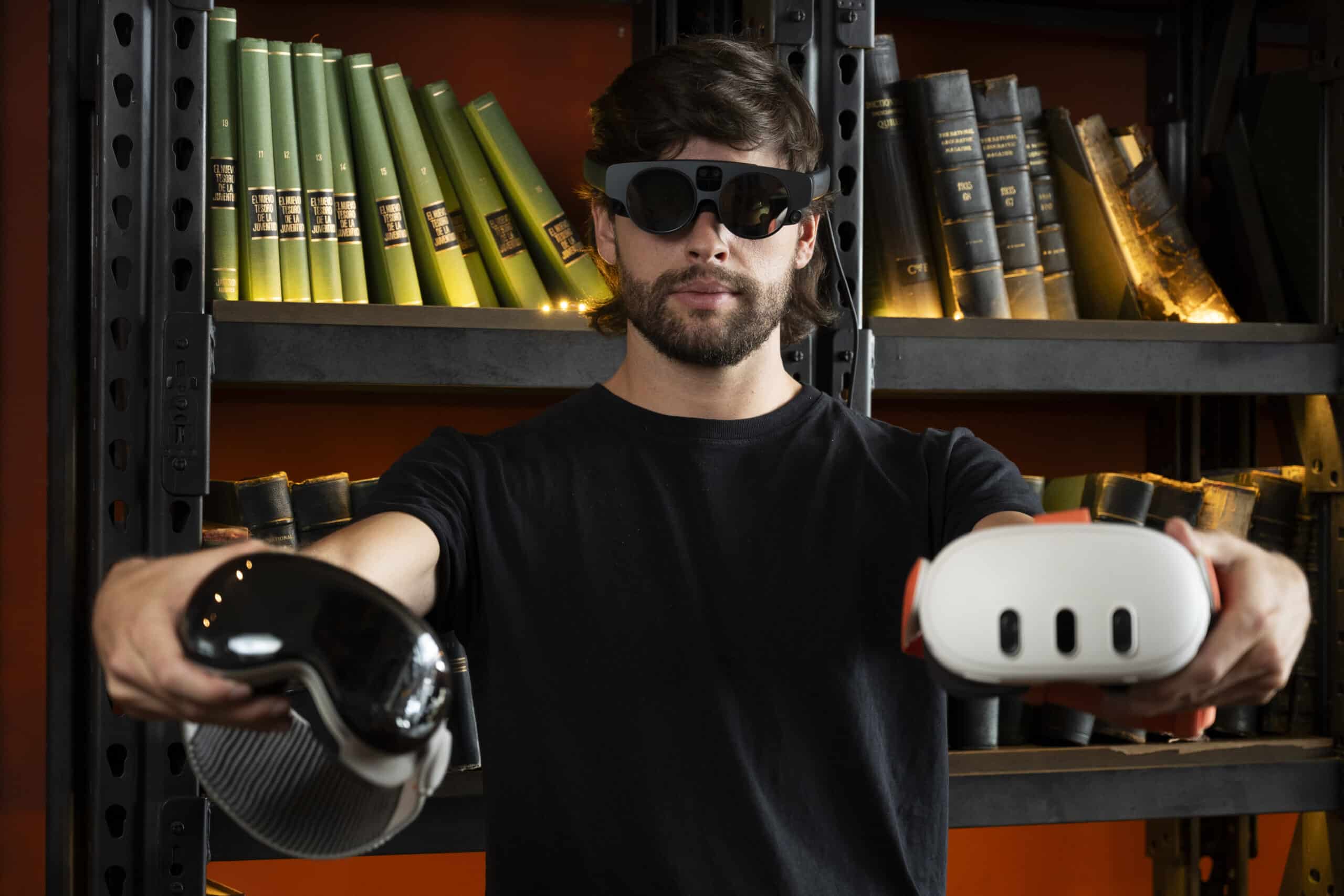
2026 is going to be a big year for AR glasses, which are an important subcategory within the broader XR industry. We are starting to see a new generation of wearables that enable more advanced augmented reality capabilities, unlocking entirely new use cases. I believe the next three years will be a period of consolidation as the technology matures, with true mass market adoption likely happens in the 2030s. Today, the biggest measurable impact and value of XR continues to be in the enterprise and business space.
What is Treeview’s current focus when it comes to new technologies and innovation?
Our focus is on enterprise and business use cases of XR. The primary high-impact enterprise applications over the last few years have been training, education, customer experiences, remote presence, data visualization, and digital twins. More recently, we are seeing strong momentum in areas like robotics simulation and teleoperations, clinical research applications, and immersive live events.
Hardware innovation continues at high speed. How do you decide when to build around emerging devices versus waiting for market maturity?
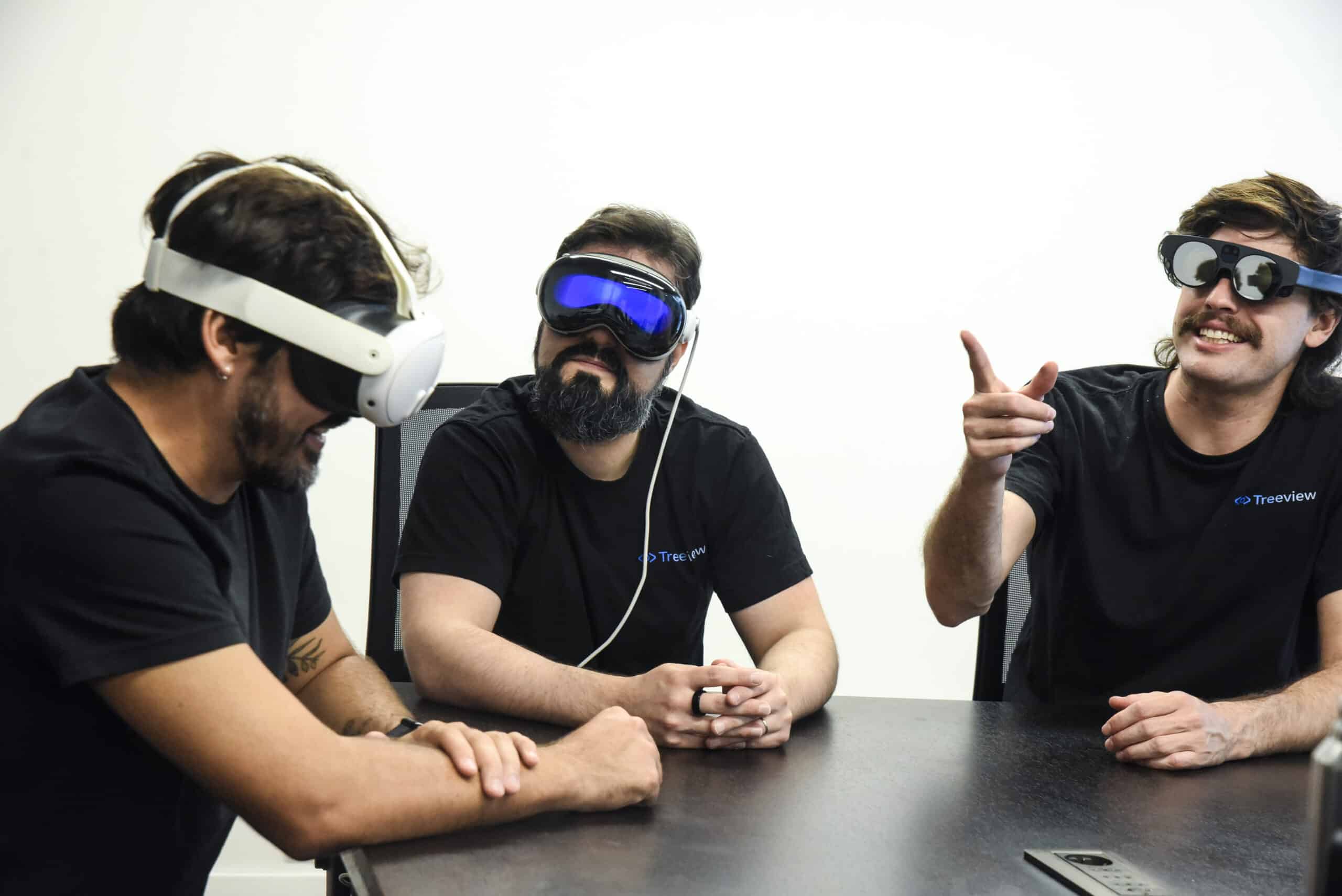
We build across all major platforms. Each platform builder, usually large technology companies like Apple, Google, Meta, Snap, and ByteDance, has its own unique strategy, vision, and perspective on how spatial computing should evolve. It is important for us to build across these ecosystems to stay at the forefront of the industry. By actually building XR applications we can understand the strengths and limitations of each platform early, we can better advise our enterprise clients and make informed decisions about when to scale solutions as the market matures.
Many enterprises are still stuck in pilot mode. What is the biggest misconception preventing them from scaling XR initiatives?
There is definitely a role for pilots. They allow for experimentation, exploration, and understanding of what the technology can realistically deliver. When a use case clearly demonstrates high value, measurable efficiency gains, or strategic advantage, that is the moment it should transition from exploration to scaling. The misconception is treating XR as something that must always be tested rather than something that, once validated, should be operationalized.
How are ROI expectations evolving?
ROI expectations are definitely becoming more concrete. Many enterprise XR initiatives are executed under innovation budgets, where the KPIs focus on the breadth and depth of exploration of the technology and use case. In those cases, the important objective was to get the product into the hands of users to evaluate and measure its impact. For larger deployments, each industry operates with its own set of KPIs. In some cases the focus is on scaling distribution, in others it may be cost reduction, revenue generation, or brand positioning. Because XR is such a broad and versatile technology, every use case and organization will define success differently. Keeping those specific ROI metrics clear from the discovery phase is critical to building solutions that deliver real impact.
What role do you believe spatial interfaces will play in redefining productivity and collaboration over the next five years?
Productivity and collaboration are strong use cases, and Apple in particular is very excited about this direction. The Vision Pro is already an impressive productivity tool that integrates seamlessly into the broader Apple ecosystem. There is a lot of room for innovation in spatial interfaces, especially as agentic AI continues to mature and as embodied AI begins to take shape. As these systems become more capable, spatial computing will move beyond being a large display replacement and start becoming a more intelligent, context-aware workspace.
What capabilities is Treeview investing in right now to stay ahead of the next wave?
We are investing heavily in quality of delivery. In the XR space, I believe the leaders will ultimately be defined by the quality of software and design they build. High-quality spatial AR and VR applications are still very difficult to execute well. Visual quality, usability, interaction design, and system integration all have to work together seamlessly. We see this as the highest point of leverage. The best quality XR studios and agencies will have a disproportionately higher capacity for impact compared to the median. As the industry matures, execution quality will matter more than capacity or cost efficiency, and we want to be positioned at the very top of that curve.
How would you describe your hiring philosophy?
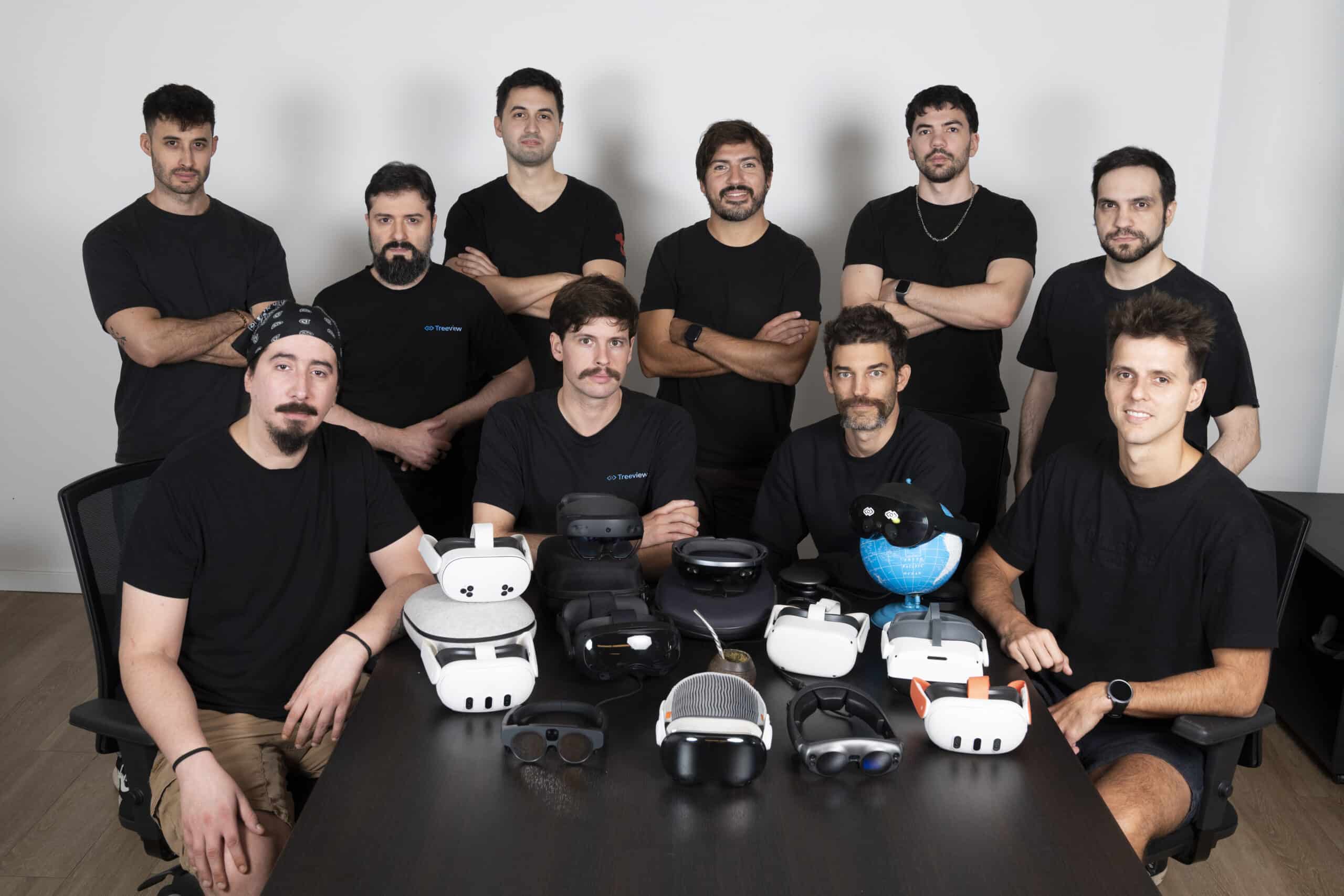
Treeview is a world-class team, and to maintain that standard we work exclusively with world-class talent. We do not have room for junior profiles in our core team. Our philosophy is to build a senior-only group of highly skilled engineers, designers, and technical leaders who can operate at the highest level of execution. In my experience, reaching world-class level usually happens when personal passion aligns closely with one’s professional role. That is something we try to understand deeply during the recruiting process. We look beyond technical skills and ask what truly drives someone, what they are obsessed with improving, and where they naturally push themselves beyond expectations. That alignment between passion and craft is what creates exceptional outcomes.
If you could give your younger students one piece of advice for starting in immersive technologies, what would it be?
Focus on building great things. When you build, pay attention to the details and make them excellent. Users may not see the details, but they can always feel them. Once you get great, you will always have people and organizations who want to work with you.
Are you concerned about the future of humanity in relation to the next wave of AI challenges?
AI is still such a new and complex topic that it is difficult to have a strong or absolute opinion. I tend to be an indefinite optimist when it comes to technology and innovation.
Beyond technology, what global issues are currently capturing your attention?
It feels like a very interesting and delicate moment in the geopolitical sphere. There are big shifts happening globally. I’m curious to see how the current geopolitical tensions evolve over the next few years.
If you could spend a long conversation with an author, artist, historical figure, or fictional character — who would it be, and what would you most want to understand about them?
If I could speak with anyone, it would be Leonardo da Vinci. I would want to understand how he achieved mastery across so many different domains like art, engineering, anatomy, and science. It feels like once you truly understand the principles of mastery, they can be applied anywhere.
