“Brands have to have eye-catching art direction that make them stand out to audiences”
Brands that clearly state their purpose and goals within the culture are definitely the most attractive
 Amsterdam, April 5th, 2023
Resn is a creative agency with a digital obsession. Its singular vision is to infect minds with gooey interactive experiences that amaze and stupefy. Since 2004, they have worked at the frontier of interactive development and design, partnering with some of the world’s best-known brands, to become one of the most awarded digital agencies anywhere.
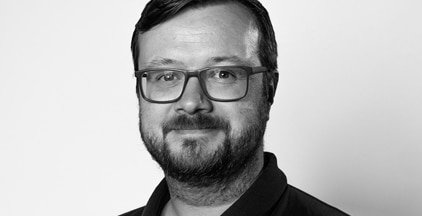
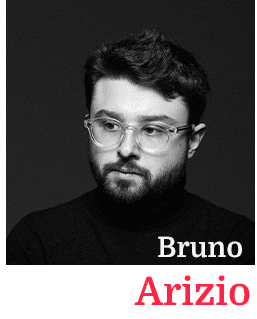
Bruno Arizio is the Design Director at Resn’s office in Amsterdam. In an interview with TIA, Arizio highlighted the relaxed culture of Resn and its talented and creative staff members. He also described good design as being immersive, surprising and telling a story and asked designers to be mindful of the impact of their work on all the society.
To kick things off, if someone wants to experience the authentic, non-touristy side of Amsterdam, where would you suggest they go?
I would say spending time in Jordaan, Oud-West, or Oost and suggest avoiding Centrum because of all the tourists. While there are interesting things to do, eat, and see throughout the city, these neighborhoods offer a more authentic experience into the local life. A ‘can’t miss’ destination for any design lovers is Athenaeum Nieuwscentrum. They have one of the best selections of independent magazines in Europe in the same vein as Do you Read Me? in Berlin and MagCulture in London. My favorite coffee place is 4850 in Oost and, for a glass of natural wine, I’d recommend Twee Prinsen, which is conveniently close to our office. I could recommend a lot of other places as well, but I recently ran across this city guide published by Mendo that covers the best spots around town. Definitely recommended!
What does a usual day look like for you at work?
My workdays can be quite varied, but typically I spend the first half-hour organizing my schedule and prioritizing what needs to be done in the day. At 9:30, we usually have project stand-ups to review our progress and plan out our next steps. After that, my day can consist of a mix of meetings with different creatives, brainstorming new ideas and concepts, and overseeing various aspects of our projects. I’m very involved in every stage of the production process, from developing the initial content and structure all the way to polishing the last few touches with developers. Some days, I might be preparing mood boards and references for our 3D artists, sketching out ideas on paper, meeting with clients, reviewing UX and designs and giving feedback to our team. Every day is different and depends on what stage of the project we’re currently working on.
How would you describe the creative culture of Resn?
The vibe is relaxed and friendly, but everyone here is incredibly talented, creative, and multi-disciplinary. Most people at Resn have been working together for quite a long time, so everyone understands each other’s skills very well. There’s definitely an atmosphere of trust and, across the team, there’s this hardwired passion to take on new challenges and get out of our comfort zone. That seems to be the recipe. To counter-balance all that, Resn is known for legendary office parties.
What is the guiding principle behind your digital design?
I come from this school of thought that believes aesthetics in design is just as important as function. Good digital design in my opinion should involve, immerse, tell a story, and surprise the viewers, not just bear a function. There are so many boring sites online and what we try to do here is to cut through that noise and make experiences that stand out. That said, I also believe there’s a balance. For me, finding a way to dial it in is an ongoing search and what inspires me.
Tell us about a recent project you’ve worked on that you’re proud of. What particularly brought out the best in you?
The KPR website, which was recently awarded Site of the Year on Awwwards, was definitely the most fun project in recent months. We involved every single person in the studio and we created something that brought out the best of every talent. It’s a great mix of what we call an immersive experience with an editorial twist. I think it’s quite important for me because it marks a first step into my collaboration with our creative director Simon Jullien, the mastermind behind the Amsterdam office. It’s part of an ongoing conversation we have about what we want to accomplish together, so it marks a very good step in that direction.
When it comes to accessibility, how do you ensure that your clients are on board and that all users’ needs are taken into account during the project?
We’re committed to creating experiences that involve all viewers, regardless of their circumstances. But, we don’t let that limit our creativity. We design things based on what we believe and later adapt them to be tailored for all audiences. For us, it is all about the emotions we can evoke in our viewers and what they can take away from that experience.
How much time do you typically allocate to engaging with clients?
It varies between different project settings and stages of production, but I’m usually in constant communication with clients. Normally, we meet 1-2 times a week (sometimes more), but we also communicate through e-mails, slack, etc.
In your opinion, what are some of the key areas that brands should focus on to create an exceptional CX?
First, art direction has grown to be a fundamental part of branding. Because of social media culture and people’s short attention spans, brands have to have eye-catching art direction that make them stand out to audiences. The second is purpose. Brands that clearly state their purpose and goals within the culture are definitely the most attractive.
What would be your dream interactive design project or collaboration to be a part of?
As of now, I think it would probably be doing things physically, like an art installation or something of that sort. Something that challenges me to think beyond pixels. I think that would be fun.
In general, what role do you think designers have to play in building more-accessible societies?
As designers, we need to take responsibility for what we make, and ask ourselves about the impact our work has on society. This generation is the first to be affected by the work of interactive designers and it’s led to a culture of anxiety and mental health issues. Much of this is due to social media and how it has been intentionally designed to be addictive. Understanding that, and thinking about what we can do to make the digital landscape more welcoming and reverse the current trend, is something we need to continually reflect on.
How do you stay up-to-date with design trends and advancements?
Believe it or not, I like to keep my references offline. Magazines and books are my usual go-to places for inspiration. I’m not very good at keeping track of what’s going on around the web. It’s usually the people around me that bring my attention to the other digital projects that are popping up.
What kind of new tech stuff has blown your mind?
ChatGPT 4 and Midjourney 5.
Do you make friends with the people you’re working with?
Of course I do! Resn is my family!
How do you explain what you do for a living to a child?
You see that building over there? What I do is pretty much that, but inside your phone or your tablet (kids now are very used to the words tablet and phone). I think our work is not too different from that of architects. The overall processes are very much the same. It’s only the medium that changes.
Which unusual skill do you pride yourself in having?
I like to think that I’m a very good travel partner.
Bruno’s Working Preferences:
Early Bird or Night Owl?:
I’m definitely an Afternooner : )
Favourite type of cuisine:
New Nordic
Most quoted book, TV Show or movie:
Most recently, I loved the movie Tár. But normally,
it would be any Bergman movie
Beach or Mountains?:
Mountains
Last downloaded app:
Jira
Favorite design tool:
Figma
The game you’re best at:
I’m very bad at games
Preferred spot in your town:
My home
Unusual Hobbies:
Answering unusual questions
If you could solve one problem in the world, what would it be?:
Social Equality
Thanks Bruno!
- Learn more about Resn at https://resn.co.nz/
- Follow Resn in social media:
- Follow Bruno on social media:
Agency to watch

Best in Breed since 1998. Lounge Lizard is a Digital Agency that Specializes in Brand Strategy, Website Design, Web Development, Mobile APP Development, Online Marketing, Social Media, Ecommerce, and SEOdigital experiences that move brands and businesses from now to next.
Featured agencies

134751 Views

115347 Views

109198 Views

91626 Views

88083 Views

82922 Views

74555 Views

61392 Views