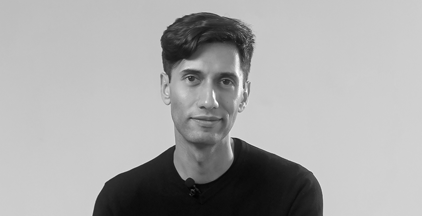
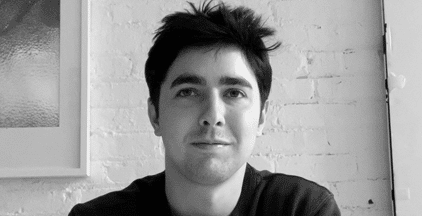
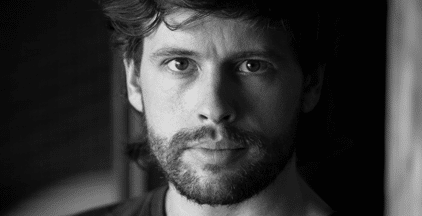
“Clients Want to Speak to the Talent – Not Executive Teams” — View Source’s Ross Vandenhoeck on Why Challenger Studios Are Beating the Big Agencies
You can't lead a collaboration between engineering and design if you've lost fluency in both languages.
New York, March 13th, 2026
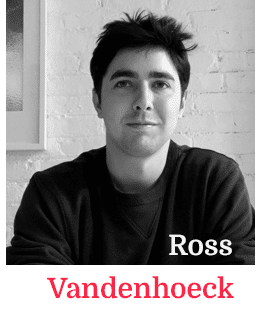 Based in New York City, View Source is a boutique design and technology studio that thrives on the intersection of brand development and high-end engineering. The studio’s name is a nod to the literal command to peek behind a webpage’s code, but their philosophy goes deeper—it’s about peeling back layers to find the essence of a brand. By prioritizing curiosity and human taste over automated templates, View Source builds digital homes for institutions like Brooklyn Brewery and “challenger” brands like Bandit Running, ensuring every project remains distinct, human, and intentionally bold.
At the helm of the studio’s technical and creative vision is Ross Vandenhoeck, Co-founder and Digital Director. Raised in the cultural epicenter of NYC and shaped by a family history split between artists and engineers, Ross has spent his career reconciling the tension between those two worlds. He is an advocate for “digital weirdness” in a landscape he describes as grimly efficient, pushing his team to protect space for messy thinking. For Ross, the future of the web isn’t about mastering a playbook—it’s about experimentation, play, and the details that users feel rather than see.
Let’s start with where you’re from. What was growing up in NYC like, and did any early influences push you toward creative work?
I’d say NYC is an unfair advantage for that. Cultural moments are always just a few blocks away. I’m pretty convinced my brain chemistry was rearranged when first seeing The Nutcracker at Lincoln Center, and I still reminisce on wandering the murals at the American Museum of Natural History weekend after weekend. The world felt bigger than I could comprehend, and with that came a persistent itch to try new things.
At home, I was part of a family history split between artists and engineers, and that tension could be tough to reconcile. I drew constantly, loved photography, but was equally addicted to taking things apart to see how they worked. I’m embarrassed to say that it took me until after college to realize that those aren’t opposing interests. The world of web design finally offered me a way to think creatively, but also open the code editor and engineer how to make an interaction work.
Are there any hidden gems or favorite spots in the city that you think visitors shouldn’t miss?
The Morgan Library. Not just in a guidebook’s “visit a library, it’s good for you” sense, but also because it possesses the gravity of an older, less hurried New York.
What does a typical day entail?
Pixels, dog walks, and (aspirationally) tennis.
Tell us a bit about View Source. What’s the story behind the name, and what makes your studio stand apart in today’s landscape?
For technologists, “View Source” is the literal command that lets you peek at a webpage’s code. But more broadly, it’s about peeling back layers to find the essence of something. We liked the double meaning because it mirrors our work – we develop brands, and we develop websites. Even if design templates and AI continue to gobble up production tasks, we draw confidence from knowing that our curiosity and taste are what drive the team and the work, which will always be distinct and human.
Looking at your recent projects, is there one that you feel perfectly captures View Source’s vision and values?
Bandit Running. We grew up together, in a sense. They are the “challenger” taking on Goliaths like Nike and Adidas, while we’re the design and technology studio taking on legacy agencies. The work feels genuine and personal because there’s a mutual refusal to play it safe.
There’s clearly a shift happening — small studios are increasingly winning work once reserved for the big agency players. What do you think is driving that power shift?
Clients want to speak to the talent – not executive teams. Delegating as you grow is inevitable, but no matter the size of our team, we’ll be practicing and experimenting alongside them. You can’t lead a collaboration between engineering and design if you’ve lost fluency in both languages.
You’ve mentioned investing in early-career talent. What concerns you most about the current landscape for young designers and developers?
The trend of companies trading apprenticeships and early-career roles for AI agents. I worry if the design industry is properly weighing how AI’s near-term productivity gains will hollow out the talent pipeline over time.
How do you think studios like yours can create better learning opportunities for the next generation, especially as AI automates more of the process?
Protect space for messy, divergent thinking. It’s not all about process and efficiency.
In your own studio, what do you look for when bringing someone new onto the team — beyond just a solid portfolio?
Eagerness to learn. In a field that moves this fast, our skillsets today have shorter shelf lives than we’d like to admit. At View Source, I’d say our work prioritizes experimentation and play over mastering any particular playbook or process.
What kind of project excites you the most these days — something you’re itching to build or explore further?
We’re redesigning Brooklyn Brewery’s website. It’s just a few blocks from my apartment, and there’s something wonderfully weird about building a digital home for a place whose smells and sounds you already know. It becomes a more personal challenge to find the interactions and tone which ring true. If we do it right, it becomes a lasting digital home for a New York institution. I would happily do ten more of those!
What do you think makes a digital experience memorable today, beyond visuals or interactivity?
A little weirdness! Most of the web has become grimly efficient.
What kind of stories, topics, or ideas tend to spark your curiosity or grab your attention right now?
Old James Bond movies, digital kitsch, internet subcultures.
Outside of View Source, what keeps you feeling grounded — whether that’s travel, your dog Yeti, or something else entirely?
Yeti gets most of the credit. He has no opinion on kerning or code, and lives simply to eat treats and goof around. He reminds all of us to not take ourselves too seriously.
Ross’s Working Preferences:
Early Bird or Night Owl?:
Night Owl
Usual breakfast:
Toast, olive oil, fruit, strong coffee
Most quoted book, TV Show or movie:
Blue Velvet
Last place traveled:
Tokyo
Favorite sneaker brand:
Converse
Preferred spot in your town:
Shady spots in McCarren Park
What makes a good day at your job?:
Time for little experiments
If you could meet anyone, dead or alive, who would it be?:
Benjamin Franklin
Agency to watch

Best in Breed since 1998. Lounge Lizard is a Digital Agency that Specializes in Brand Strategy, Website Design, Web Development, Mobile APP Development, Online Marketing, Social Media, Ecommerce, and SEOdigital experiences that move brands and businesses from now to next.
Featured agencies

134953 Views

115516 Views

109311 Views

91793 Views

88245 Views

83056 Views

74681 Views

61494 Views