“The Worst Use of AI is Preserving a Broken Process” — Niels Dortland of Monks on Reshaping Agency Workflows and Digital Strategy
AI is not just making the process faster. It is changing how teams function, how ideas take shape, and how quickly we can move from intent to something tangible.
New York, March 25th, 2026
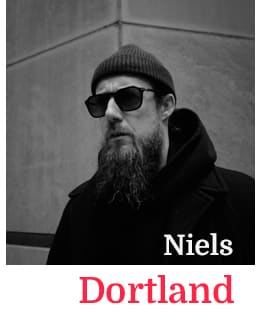 Based right off Wall Street, Monks is a global marketing and technology powerhouse dedicated to redefining how brands interact with the world. By orchestrating unified, intelligent systems, the agency helps trailblazing companies outmaneuver the competition through a combination of content production, enterprise-grade technology, and AI-fueled data science. More than just providing visibility, Monks focuses on the sophisticated deployment of tools to turn attention into action, ensuring that ambitious brands can move more intelligently and achieve measurable growth in an increasingly complex landscape.
At the center of this evolution is Niels Dortland, Executive Creative Director at Monks in New York. After studying at the Willem de Kooning Academy in the Netherlands, Niels has built a career bridging the gap between artistic vision and impactful digital products. Now based in Brooklyn, he leads a global community of designers at the intersection of AI, technology, and consumer experience. A firm believer that momentum is a competitive advantage, Niels is dedicated to harnessing the power of creative leadership to redefine what is possible, ensuring that every digital interaction is genuinely helpful, culturally fluent, and built for the future.
Welcome, Niels! Let’s start at the beginning—where did you grow up, and were there any early experiences or influences that shaped your passion for branding and storytelling?
I grew up in Gouda, a small medieval town in the middle of the Netherlands. Most people know it because of the cheese, but yes, it is more than just something on a cracker.
When I think about the early influences that shaped me, I would love to tell you I was drawing wireframes as a child, but that would be a very polished version of the truth. What shaped me much earlier was imagination. I grew up in a religious environment, and creativity became a way to make space for myself inside that. Not out of darkness, more out of curiosity. It taught me to question what felt fixed, imagine alternatives, and build little worlds in my head before they existed. In many ways, I still work like that today.
I obviously drew a lot as a child, but the real unlock came when my father brought home our first computer. Suddenly, I had access to tools that let me visualize the things that had mostly just lived in my head. More importantly, I got access to worlds that other people had built. My mind immediately goes to young me jumping through friend-made maps in Quake II. That whole digital world of making, exploring, and imagining really pulled me in.
That eventually led me to study digital design in Utrecht. After that, I moved to Rotterdam to attend art school, which was a real turning point. It expanded my world, sharpened my perspective, and surrounded me with people who were deeply engaged with culture, ideas, and visual language. In a way, it permitted me to become more fully myself.
How has the transition to the US market influenced your creative outlook, and what specific “NYC energy” do you bring to your role at Monks?
Moving to New York widened my lens and raised my pace. The city is intense in the best possible way. It is full of culture, ambition, pressure, possibility, and friction, and all of that sharpens you.
Even before I moved, I had already spent years working with and for the US market through Monks. Most of my clients were in the Bay Area, so for a while it felt like I was living at airports, constantly moving between Europe and the US, often working with tech companies and teams building at speed. What stood out to me early was the energy in the room. There was real momentum, a visible push for excellence, and a kind of ambition that was not hidden or softened. People were not afraid to be ambitious about the work.
Now that I am here, in the middle of it, I understand that energy better. It is not performative. It is a mentality. People care deeply, push hard, and want to leave a mark. The city rewards conviction, and that suits me. It has made me more direct, more resilient, and more comfortable leading with clarity.
I lead a global team, but I like to bring some of that New York energy into every meeting: urgency, sharpness, cultural awareness, and a willingness to move faster without lowering the bar. A little less introspection, a little more forward motion. Especially now, when our industry is changing so quickly, that matters more than ever. You have to stay close to the front line, close to culture, and close to the real needs of clients and audiences. That is where the best work comes from.
Where do you spend most of your time, and what does a typical day entail in your world?
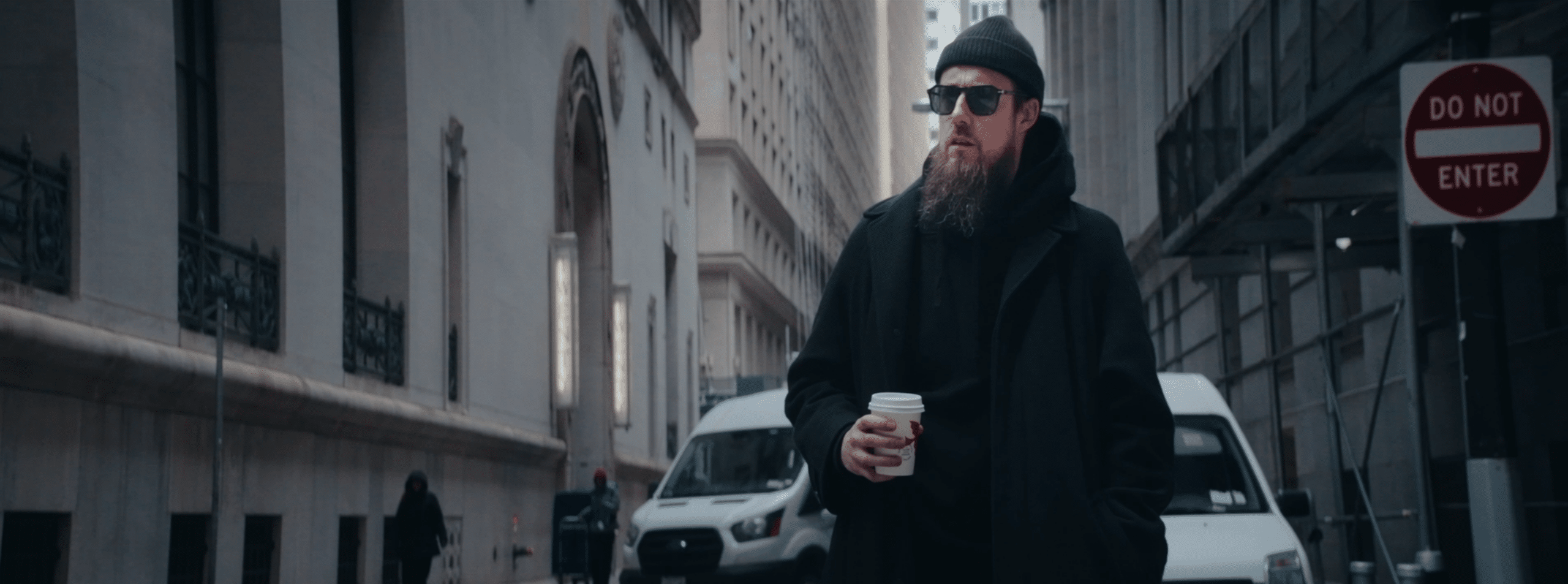
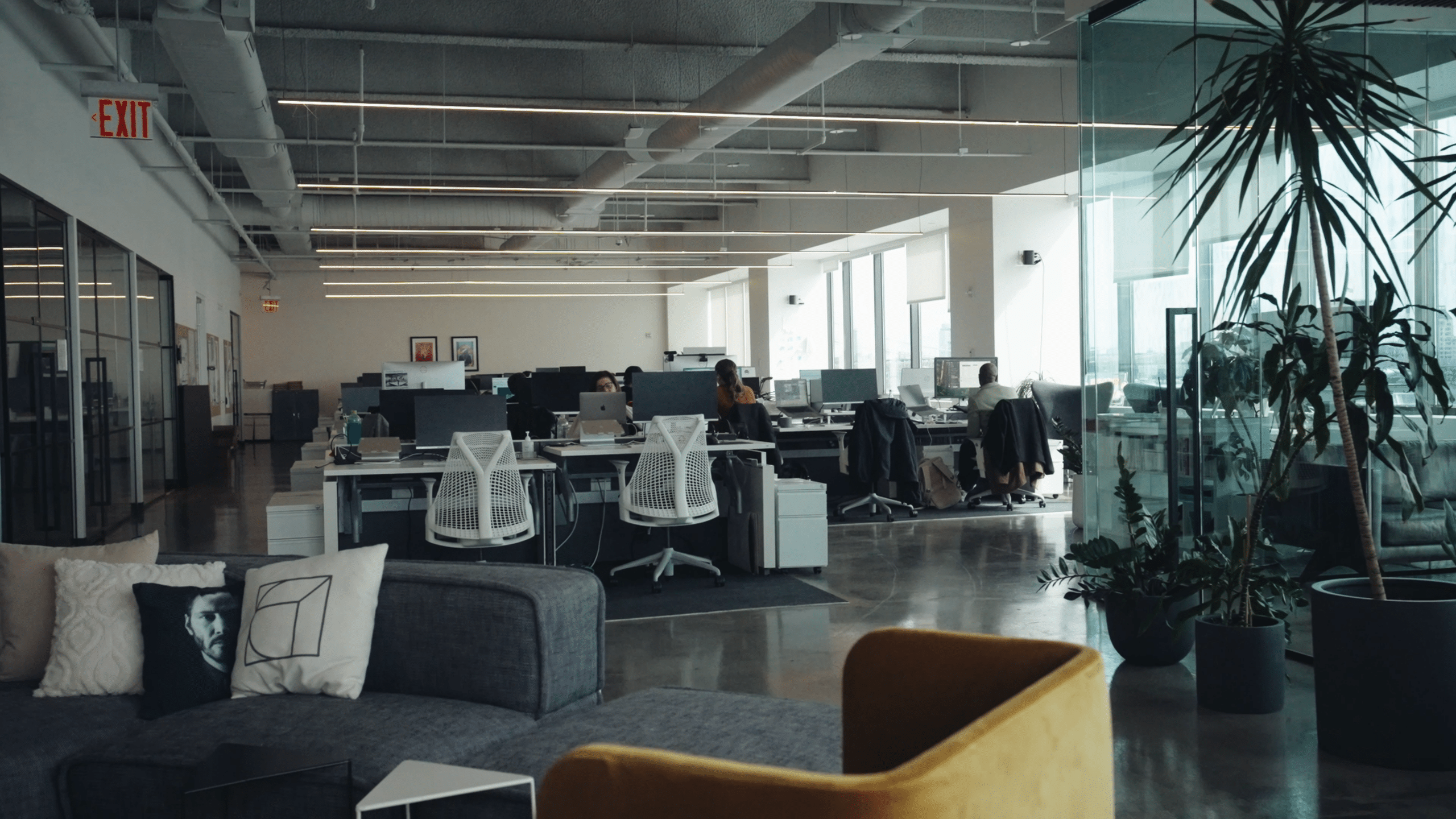
I spend most of my week in the office, right off Wall Street. I love the grit of that part of the city, the pace, the coffee runs, and most of all being around the team and the work.
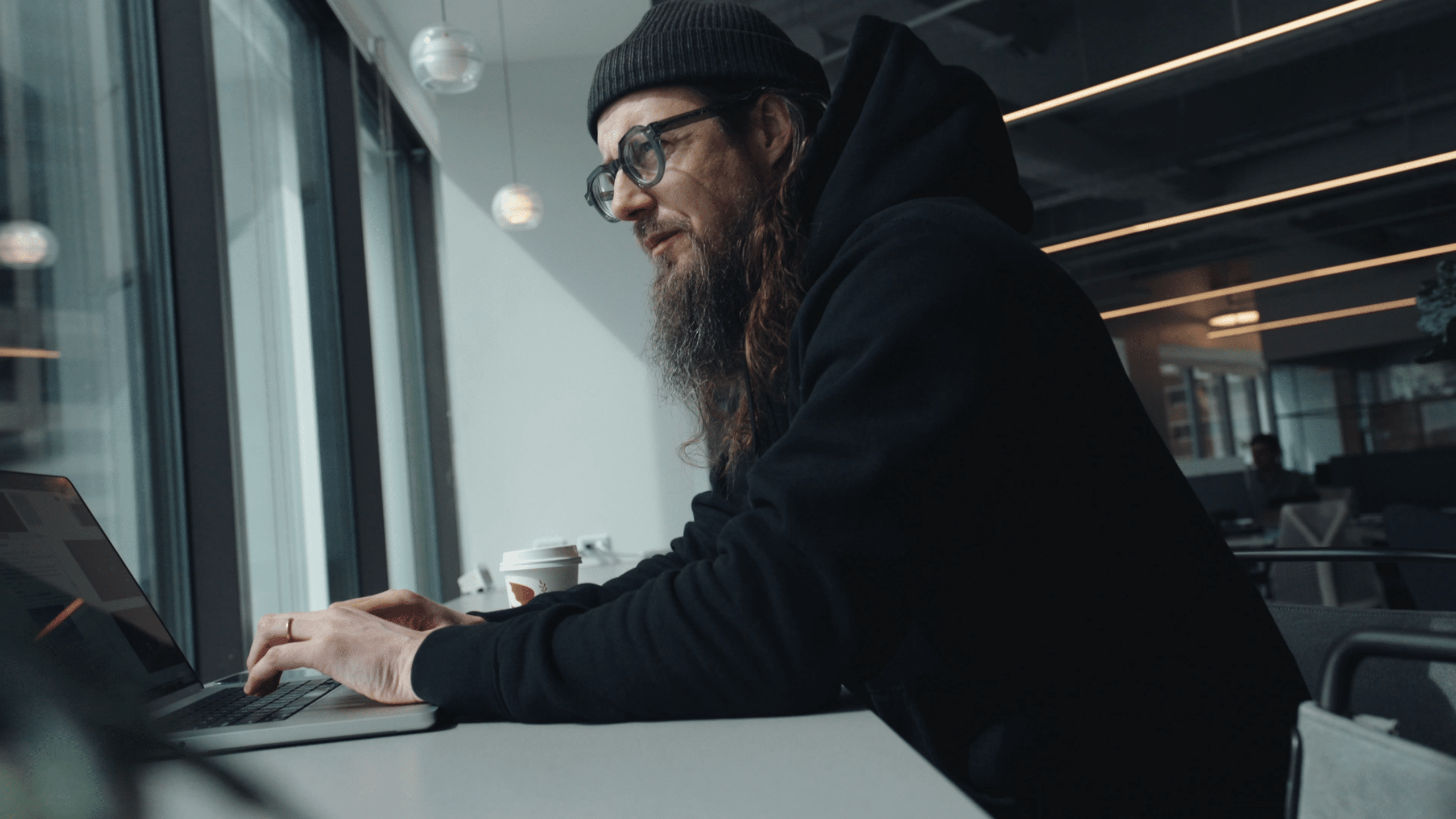
A typical day is split between building and decision-making. Part of it is still hands-on: Figma, slides, and increasingly prototyping with tools like Codex and Claude Code. The other part is leadership: aligning people, resolving ambiguity, and ensuring teams spend energy on the right things.
What ties it all together is judgment. We are in a moment where the mechanics of making are becoming radically easier. That is a huge shift. But the leverage does not come from the tools alone. It comes from knowing what to build, where to focus, and when to move. Once that becomes clear, progress compounds quickly.
As an Executive Creative Director, how do you define what makes a digital product or web experience truly “future-proof” in an era where technology is moving faster than most brands can keep up?
A digital product or web experience is not future-proof because of the technology behind it. It is future-proof if it continues to feel clear, useful, intuitive, and worth coming back to as expectations change.
For me, it still starts with real user needs. That has not changed. What has changed is the speed at which those needs and expectations evolve. Technology is reshaping behaviour in real time. People are getting used to more fluent, intelligent, and responsive interactions, and once that becomes normal in one part of life, they expect it everywhere else too.
That means future-proofing is not about chasing every new trend. It is about understanding where behaviour is going and building in a way that can absorb that shift. The goal is not to predict every feature. The goal is to create products and experiences with enough clarity, flexibility, and intelligence to stay relevant as the ground moves.
You often speak about AI as a creative and operational system. How is Monks moving beyond using AI as a simple tool and instead treating it as a foundational layer for how your teams actually function?
I do not think it is wrong to call AI a tool, but it is not a simple one. AI is becoming a persistent layer across the entire creative and operational process. It is present in how we think, research, prototype, design, and deliver. In that sense, it compounds across every stage of the workflow.
At Monks, that means we are not just using AI to speed up isolated tasks. We are rethinking how the work happens in the first place. The mistake many companies make is using AI to accelerate an outdated process. You can do that, but you are still walking the same path. In many ways, the worst use of AI is preserving a broken process.
A simple example is the brief. Traditionally, the brief was the document that kicked off the work. Now, in many cases, it can become an interactive starting point for the work itself. Once a client brief is clear, I can turn it directly into a functional prototype using tools like Google AI Studio or Codex. That changes the pace, but more importantly, it changes the quality of the first conversation. You are no longer discussing an idea in the abstract. You are reacting to something real.
That is the shift for us. AI is not just making the process faster. It is changing how teams function, how ideas take shape, and how quickly we can move from intent to something tangible. The real value is not just efficiency. It is better judgment, faster learning loops, and a much shorter distance between idea and execution.
Monks focuses on orchestrating marketing and technology into “unified, intelligent systems.” What are the biggest challenges in getting these two traditionally separate worlds to speak the same language effectively?
Bringing marketing and technology closer together ultimately comes down to operating model change. These functions have historically been built around different priorities, timelines, and definitions of success, so they naturally developed different languages.
The real work is redesigning the operating model. It is about how teams collaborate from the start, how decision rights and governance are structured, and how ownership is shared. When those things are explicit, with shared metrics, clear decision-making, and people who can move between domains, the language gap starts to close. The work is no longer handed off. It becomes truly co-owned across disciples.
What you want to avoid is creating extra connective roles and processes just to stitch silos together. That usually preserves the problem rather than solves it. It is far better to break silos down, increase more knowledge sharing, and encourage direct communication between disciplines.
This is a very real part of my day-to-day. In Monks.Flow, one of the products I lead, marketing and technology come together constantly. And honestly, one of the harder truths in change management is that if you want a new system, you sometimes need leadership that is ready to evolve with it. Because if leadership does not evolve, the system usually does not either.
Setting a “North Star” for a brand is a core part of your philosophy. How do you help clients find that guiding light when the “future of interfaces” seems to be changing every few months?
Setting a North Star matters even more when everything around it is moving. If interfaces keep evolving, you need to be clear on what stays true. For me, that starts with understanding what a brand wants to mean in people’s lives, what value it can offer, and what kind of relationship it wants to build over time.
What I often help clients realize is that the bigger shift is not just in interfaces themselves, but in the role they play. A digital product is becoming less of a standalone destination and more of a part of a broader ecosystem. So the question is not just what interface to build, but what role that interface should play within a connected system of experiences.
That is why the North Star matters. It gives you something stable while everything else evolves. I do not see GUIs disappearing any time soon. We will keep reinventing interfaces for a long time. Hopefully, at least until my retirement in the South of France.
The design process is becoming less linear and more fluid. How do you lead a creative team through this “non-linear” chaos without losing sight of the final execution and quality?
I do not believe non-linear means lower quality. If anything, shifting ground can lead to better work. The real mistake is using new tools to accelerate an outdated process while pretending everything else stays the same.
Research, prototyping, testing, and refinement are starting to happen much closer together. That can feel messy, but messy does not mean weak. It just means teams need to be clearer on what matters and what standard they are aiming for.
My job is to keep that clarity. To protect the standard while giving teams room to move in a different rhythm. And honestly, if something is slightly less polished but gets into the world faster and teaches us something real, that can be a very good trade.
Many creatives fear that AI will automate their roles. How do you help your teams at Monks reframe their mindset to stay ambitious and relevant while the industry is being rewritten in real-time?
The first and most important thing is making space for an open conversation about the fear. And honestly, I feel some of it too. It is real. Pretending otherwise helps no one.
At the same time, this is an incredibly exciting moment. The industry is being rewritten in real time, which means we get to rethink a lot from the ground up. With the right mindset, the right tools, and a shared sense of urgency, creative people can do extraordinary things. They can build entirely new kinds of experiences and worlds!
So the goal is not to deny the fear. It is not to get stuck in it. Talk about it. Equip people. Raise the ambition. Then move. Do not linger in introspection. Run forward and experiment. Join the front line. That’s where the real learning happens.
How do you balance the need for “measurable growth” and data-driven results with the gut instinct and creative intuition that high-level branding requires?
I do not see them as opposites. Data gives you signals. Intuition helps you interpret them and make something meaningful. The best branding work needs both: evidence to stay grounded, and instinct to know where to push.
What has changed is how quickly we can now prototype ideas and get them in front of users. That allows creatives to engage with the data much earlier and more directly, which strengthens both creative thinking and the decision-making process.
For the next generation of talent: what’s one ‘clue’ about the future of our industry that isn’t being taught in schools yet?
What may not be taught enough is how to root creative work in insight.
AI is changing that. It is flattening parts of the process and giving more people access to tools that were once siloed across research, strategy, design, and production. That means the next generation can operate with far more range.
But range alone is not enough. My advice would be to become T-shaped. Be curious across the whole system, but develop one craft with real depth. Breadth gives you perspective. Depth gives you substance. The future will belong to people who can do both.
What do you do to disconnect and recharge outside of work?
I like going to one of my favorite dive bars, often alone. I sit at the bar, drink the first beer in silence, and then let myself drift into some small talk. It is a good reminder that outside of work, outside of all the pressure, we are all just people trying to make sense of things.
From your personal point of view, what do you see as the greatest challenge of our time?
One of the greatest challenges of our time is that the people protecting the past still control much of the present. They hold power, budget, and influence, but they do not hold the future. The future belongs to builders. To people willing to move with conviction, make things real, and keep going without waiting for permission. The past may still have the microphone, but the future is being built anyway. So build.
And to wrap things up on a lighter note—what’s one fun or unexpected fact about you that most people wouldn’t guess from your job title or your LinkedIn profile?
I actually started harmonica classes last week at my favorite bar, Jalopy Theatre in Red Hook. ☺
Dortland’s Working Preferences:
Morning ritual:
Workout. Clear Slack (good for adrenaline). Dog walk. Subway to FiDi. Overpriced coffee. Office.
Risk appetite:
Calculated, but never timid.
A quote you live by:
“I have to change to stay the same.” — Willem de Kooning
Last place that inspired you:
Bywater, New Orleans
Personal signature item:
Lucchese boots
Habit you had to unlearn:
Stepping in too quickly
Metric that matters most:
Winning
Where you think best:
Alone at a local watering hole
Agency to watch

Best in Breed since 1998. Lounge Lizard is a Digital Agency that Specializes in Brand Strategy, Website Design, Web Development, Mobile APP Development, Online Marketing, Social Media, Ecommerce, and SEOdigital experiences that move brands and businesses from now to next.
Featured agencies

135041 Views

115592 Views

109358 Views

91842 Views

88321 Views

83117 Views

74744 Views

61550 Views