“Serenity has become an integral part of my design aesthetic”
I find myself naturally drawn to organic shapes, earthy color palettes, and environmentally conscious products
 Guatemala, October 18th, 2023
Antara is a multidisciplinary design studio that shapes ideas through clever and simple design solutions with functionality at its core. It’s where aesthetics and functionality meet. Based in Guatemala, the agency offers a wide range of services for local and international partners, from brand strategy and brand research to web design and packaging.
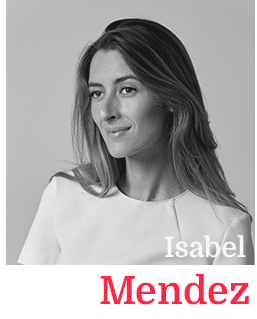
Isabel Mendez is the Founder and Creative Director at Antara Studio, which she founded during the pandemic. In an interview with TIA, Mendez described the roots of the agency and how’s a typical working day for her. She also explained how Antara balances innovation with practical requirements and listed the ingredients to manage a successful brand experience design.
What would you say is the best thing about Guatemala?
What I love most about Guatemala is its closeness to nature. Thanks to its small size, there’s easy access to some of nature’s most stunning landscapes, all just a drive away from the city. Whether it’s the active volcanoes to serene lakes, lush forests, majestic mountains, beautiful rivers and black-sanded beaches. It’s all accessible any time of the year. When I need to recharge, find inspiration, reconnect with myself or get my creative juices flowing, being close to nature is what fills my cup. Especially as a digital designer with a completely remote team, it’s easy to spend way too many hours staring at a screen.
Please share a memory or story that encapsulates the essence of your Guatemalan roots and how it continues to play a role in your design philosophy and creative pursuits.
When I was young, I used to go to the black sanded beaches very often, and that serene and naturally beautiful space in nature came with a feeling of serenity and peace. Interestingly, that serenity has become an integral part of my design aesthetic. Nature undeniably holds a significant place in my life, and it has undoubtedly left its mark on my design style. I find myself naturally drawn to organic shapes, earthy color palettes, and environmentally conscious products.
How did you find yourself founding Antara?
I founded Antara Studio during the pandemic. Even though the lock down days were dreadful, they gave me time to stop the fast-paced “auto pilot” life I was living and allowed me to think about my future. Amidst this period of self-reflection, I found myself reorganizing virtually every aspect of my life. The transition was relatively seamless because I was freelancing at the time, so I didn’t have to resign from a job to embark on something entirely new. Creating my own design studio had always been my dream, and having the luxury of time is rare nowadays. I realized it was the perfect moment to take a leap of faith and give it a try.
What is a typical working day for you?
I start my workday following a morning workout or an outdoor run. Exercising is essential for me to get focused. While my workdays vary and don’t adhere to a rigid schedule, I do meticulously plan them every morning. I organize my day activities, from client meetings and team feedback sessions to lunch time with my husband and household errands; everything is color coded in my Google Calendar. A typical workday involves reviewing projects with the team, going over quotes for future clients, answering emails, and presenting updates to clients via Zoom. I’m always in communication with the team via Slack. To wind down from a busy day, I love cooking, reading and meditating.
Antara means “middle point”. How do you balance at the studio the need for innovation and experimentation with the practical requirements of meeting client expectations and delivering successful projects?
Balancing innovation with practical requirements is a challenge for every design agency. We give ourselves permission to innovate and experiment as much as we can as long as functionality remains intact and uncompromised. Our process can vary in some cases, but in the design phase, we try to make key interactions that cause a “wow” effect on the user. As these interactions tend to be very innovative and experimental, it’s crucial to do user testing after they are implemented to see if they don’t put functionality at risk.
Another challenge is getting the client on board with experimentation. This, of course, depends on the client and product. It’s important to learn how to sell an idea, even when it’s not tangible yet. Mood boarding, benchmarks and online references usually help a lot, but will never convey an idea with 100% accuracy. That’s why having a good relationship of trust with your clients is crucial.
Where did you draw inspiration from to create the agency’s portfolio?
I consider Antara’s portfolio page to be a reflection of my design style, infused with a mix of expertise of the developer I collaborated with, Mario Sanchez. I have a strong passion for editorial design and enjoy experimenting with typography. I also wanted to convey a harmonious balance of boldness and serenity, professionalism and experimentation within an organized yet unconventional structure. Our work is a mix of all these ingredients and it was important to communicate that visually in our website.
During my design process, instead of seeking inspiration solely from design platforms, I drew inspiration and benchmarks from consumer brands that I love. As a result, despite being a design studio, our website has the look and feel as one of a wellness product. Even the name, Antara, is a word in Sanskrit often used in yoga practices. This naturally attracts clients in the industry and also like-minded clients in different industries. While we are in the process of redesigning certain pages of our portfolio website, the core essence will remain. This essence has not only drawn the kind of clients we aspire to collaborate with but has also effectively filtered out those that don’t align with our vision.

In your opinion, what ingredients are key to managing a successful brand experience design?
There are many things that come into play for a brand to be successful. First, having a deep understanding of the target audience, goals, competitors and industry. In our design process, the initial brief and kick start meeting are crucial to learn this information. Second, having an impactful and compelling concept/story is what I believe makes all the difference between a brand that people identify with and remember, and a brand that just looks cool. And third, taking every design decision with functionality at the core. It’s easy to get excited with trends, and it’s natural to want to experiment with exciting ideas, but many times these beautiful designs sacrifice functionality. A successful brand experience will never sacrifice functionality for aesthetics.
Looking back at the studio’s recent works, which project do you feel best represents the studio’s values and strengths?
I’ll have to talk about two projects because I couldn’t decide on one. The website design, animation and 3D rendering that we did for Bryhel Cosmetic Labs is definitely one that best describes our strengths and ability to experiment within the parameters of functionality. In this case, the client trusted our vision from day one, and gave us a lot of creative liberty. Getting creative and innovative is not the norm for a manufacturing company, but Bryhel’s founders are very open minded and aligned with our vision. We wanted their website to look professional while attracting the top beauty brands of the world. We were all very happy with the result.
SFI also describes our capabilities as we have worked on their re-branding, web design, editorial design, signage, merch design and social media, among other things. I love being able to see a brand grow in so many different shapes and forms.
I think that our relationship and design process with these clients was great because the both align with our values and trust our decision making. They are both in the sustainable beauty industry, which is one I love and understand as well. Our work for sustainable beauty brands like these has opened doors to clients in the industry such as L’Oreal Paris. For us, good work is the best sales tool we have, and these projects are the best example of it.

When working with a new brand, how do you go about unraveling its underlying values and beliefs that set it apart from competitors?
We start by giving the client a brief which serves as a conversation started and guide. That helps us unravel a conversation where we can understand the client in a deeper way. Many times, it takes more than just one call, it’s a team effort and a lot of back and forth, but the initial brief and kickstart meeting cover what we need to know to get started.
What role does market research play in shaping a brand strategy?
Creating a powerful brand concept is the essence of our work, as it leads all design decisions. To create a relevant concept or story, it’s necessary to understand the target audience and competitive landscape, among other things. That’s when market research comes in handy. First and foremost, it helps us understand the demographics and personality of the target audience. We learn about their needs, preferences and behaviors, this way we know who we’re talking to. It also helps us understand the competitors’ strengths, weaknesses, strategies, and market positioning which is vital for differentiating the brand and finding opportunities to stand out in the market. It also helps us identify the most effective marketing channels, ensuring that our design and brand communication will reach the consumers and resonate with them. It basically reduces the guesswork and subjectivity in brand strategy development, therefore mitigating risks and making every design decision more likely to work.
Are there any emerging technologies or trends that you believe have the potential to disrupt the design industry in a significant way?
AI is definitely disrupting this and many other industries.
You recently won the Latin American Design Awards. Could you tell us about Guatemala’s creative industry and what you think it has to offer?
Guatemala has a lot of creative talent that, I believe, is underexposed. It’s like a hidden gem. Today, nobody thinks about Guatemala as a design hub, but I think it has a huge potential to become one. I hope to be part of that change and growth in the countries’ industry.
What advice would you give to aspiring designers who are just starting their careers and looking to make a name for themselves in the industry?
I would encourage them to send their work out to the world into design competitions, magazines or even Instagram pages with a big exposure. When we start our design journey, it’s easy to feel imposter syndrome. There are so many amazing designers and studios out there, and the internet can get overwhelming, but there is a space for everyone out there. If you want to become global, you need to use platforms that will expand you exposure. For us, Awwwards was one that made a big difference, especially at the beginning.
Which artist(s) do you find inspiring and why?
- Kelly Wearsler
- Anine Bing
- Kati Forner
What’s the next skill you plan on learning?
I’m very excited to learn more about interior design.
From your personal standpoint, what is the greatest challenge of our time?
Mental health. While remote work and digital spaces have brought many benefits, we are still adjusting and learning how to manage this new life style. With blurred boundaries between work and personal life, constant connectivity and excessive screen times, it’s challenging to switch off. I’m sure most of us have felt burnout, isolation and stress due to these new technologies and life styles, and I think that we need to be aware of them and make time for personal mental health in order to stay productive and live a healthy life.
Can you name a fun-fact people would be surprised to learn about you?
I may be more passionate about animals than I am about design. Even though I enjoyed design and photography since I was very young, I wanted to be a veterinarian or do any sort of work with animals for a living for a long time. I’m yet to meet someone as passionate about animals as I am. Maybe someday I’ll find a way to connect professionally my passion for animals with my passion for design.
Isabel’s Working Preferences:
Early Bird or Night Owl?:
100000% early bird!
Usual breakfast:
Eggs, Guatemalan fried beans, corn tortillas and coffee
Most quoted book, TV Show or movie:
Friends
Last place traveled:
Peru, Lima
Last downloaded app:
Good On You
Favorite design tool:
Awwwards and Typewolf
The game you’re best at:
Exploding Kittens
Preferred spot in your town:
Lake Atitlan
What's something that always makes you smile?:
Cookies, coffee a good morning run outside
If you could solve one problem in the world, what would it be?:
Education for everyone
Thanks Isabel!
- Learn more about Antara Studio
- Follow Isabel on social media:
- Follow Antara on social media:
Agency to watch

Best in Breed since 1998. Lounge Lizard is a Digital Agency that Specializes in Brand Strategy, Website Design, Web Development, Mobile APP Development, Online Marketing, Social Media, Ecommerce, and SEOdigital experiences that move brands and businesses from now to next.
Featured agencies

134738 Views

115336 Views

109190 Views

91619 Views

88068 Views

82911 Views

74548 Views

61384 Views