“Deep research and strategy are key to a successful project”
Staying relevant isn't about keeping up with every new trend; it's about producing quality work that satisfies clients
 Cape Town, September 25th, 2024
Based in Cape Town, DashDigital Studio consists of brand specialists, creative developers, and UI/UX designers who leverage in-depth research and strategy to build immersive digital experiences that captivate audiences and elevate brands. They offer branding, ecommerce, apps, and website services.
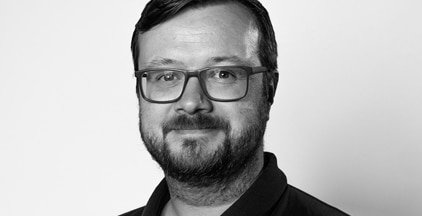
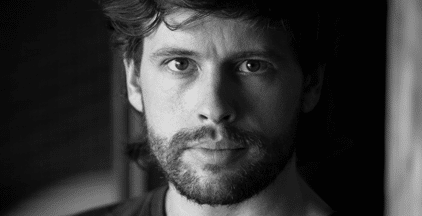
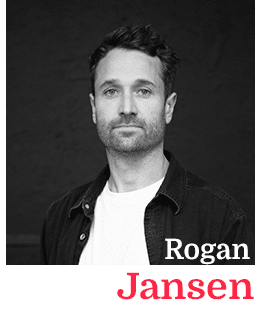
Rogan Jansen is the Co-founder and Creative Director of DashDigital Studio. In an interview with TIA, he described his start in the industry and the process that led him to start the agency. He also explained how research and strategy influence their projects and listed mistakes sometimes companies make to remain relevant.
Can you tell us what you enjoy most about working in Cape Town?
Our team is primarily based in Cape Town. If you have ever been to Cape Town, you know it’s a beautiful city with mountains, oceans, and a great social scene—so we can’t complain. For me, being able to go to the mountains or the beaches after work to unwind is amazing. We are spoiled for choice in this city, and when work allows, I try to make the most of what it has to offer.
What initially sparked your interest in the creative industry?
I was initially drawn to the creative industry in high school. I took a key interest in advertising and art direction, particularly the idea of creating adverts and running campaigns. There was a specific TV ad created by an agency called King James that was the deciding factor for me to move into this industry. It was an ad for a company called Allan Gray; it was creative, emotional, and perfectly executed. I watched that and decided, “Okay, this is what I want to do.”
Where do you spend most of your time, and what does a typical day entail?
I am heavily involved in every aspect of the business, and how I spend my time depends on the projects and where they are in the process. As the studio grows, I spend less time designing and more time on business development, strategy, and day-to-day tasks. However, I love being deeply involved in the creative process, so I work closely with the team on creative direction, stylescapes, and forming the overall vision of the projects. Sometimes, when time allows, I can be more hands-on with design. When I am stretched thin, my focus shifts to creative reviews to guide the team.
My days are never the same. I usually plan the night before by looking at upcoming tasks and meetings.
I start my morning with a cup of coffee, spending that time either finishing tasks from the previous day or browsing Instagram, LinkedIn, and other inspiration sites. This routine helps me get inspired and see what others are doing.
Once I get to the office, I have another coffee (it’s a big part of my morning routine), go through emails, catch up with team members on different projects, review work, and jump in where needed. Meetings typically start around 9 am, and depending on the day, I might be in meetings nearly all day. In between meetings, I work on designing, creating proposals, or tackling my to-do list. (Reviews also fill a lot of my gaps)
Exercise is essential for me, and I try to fit it in as often as possible. However, due to the nature of our studio and the locations of our clients, my meetings often run into the evenings to sync with different time zones. I usually go to the gym at the end of the day (or try at least), then head home, shower, and often have one or two more meetings.
Can you share your journey and what led you to co-found DashDigital Studio?
My journey into the digital space has been an adventure. After studying Art Direction and Graphic Design in college, I took a year off to travel. I spent a snow season on the slopes and explored parts of Europe until I ran out of money and returned home. Back home, I landed a job at a motion studio. Though animating wasn’t my envisioned career path, it was a start.
In my spare time, I freelanced, picking up branding jobs and other projects. After a year at the animation studio, I realized it wasn’t for me long-term, so I resigned. Fortunately, I kept the animation studio on as a retainer, giving me a stable foundation.
My freelancing soon evolved into opening a design studio called A Collective. Through this small studio, I dived deep into the digital world, collaborating with freelancers, agencies, and businesses while building a portfolio.
I loved web design and saw a huge amount of opportunity in this space. It allowed me to be methodical, creative, and solve problems, which suited my personality perfectly.
Before DashDigital, I ran another business in the health tech space called Brave, aimed at bridging the gap between public and private healthcare in South Africa. Despite our efforts, Brave struggled to gain traction. Potential partners and investors often passed on the idea but admired our design and tech capabilities, asking if we could create solutions for them instead. So, we launched a small design studio to self-fund Brave. Over time, our design studio expanded, while Brave (rest in peace) sadly became a fading dream. After 18 months, we redirected all our focus and energy into DashDigital, an opportunity I am still incredibly excited and grateful for.
How have your experiences shaped your approach to managing both creative and business aspects of the studio?
I’ve always been a creative person who also loves business. Running various businesses—both creative and non-creative—has taught me a lot. Learning from my experiences and working with more experienced partners has been crucial for my growth. I’ve had my share of failures and successes, each teaching me something valuable.
Many enter the field thinking it’s all about creativity, but managing a studio requires understanding business fundamentals like finance, client management, market dynamics, and employee relations. Ignoring these aspects can jeopardize a studio’s success, regardless of its creative output.
From a managerial standpoint, I believe in giving my team the responsibility to own their roles without micromanagement. I assist where needed but let them excel in what they do best. I believe the most growth happens for individuals when they have the space to take ownership of their work, and if each individual is growing, so is the business.
DashDigital is known for its research-driven approach to digital design. Can you elaborate on how research and strategy influence your projects?
Design is much more than aesthetics; that’s the easier part. Deep research and strategy are key to a successful project. Understanding the brief, the problems, and the users is essential. We begin every project with a discovery phase, which involves thorough questioning of the client (sometimes to their annoyance). However, asking the right questions is crucial.
Once we gather the necessary information, we internally unpack each aspect of the project through our strategic process. This defines the entire project. Without it, we would only be creating something visually appealing but not addressing or solving the underlying problems. While many studios can produce attractive designs, successful projects are those where the problems have been clearly identified and effectively addressed. Without research and strategy, you can’t truly solve the client’s needs.
The Enpower Trading project aimed to reshape the African energy sector with innovative, sustainable solutions. What were the main challenges you faced in crafting a brand that reflected these commitments?
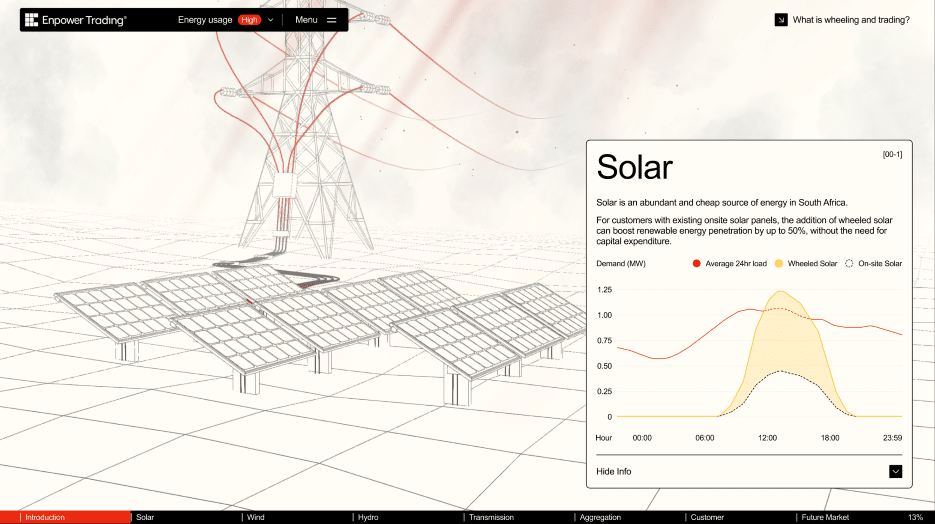
This project was particularly interesting. We positioned Enpower Trading as the go-to partner in South Africa’s fast-liberalising energy landscape with a brand and campaign that empower users. We integrated innovative technology with a sustainable brand experience, taking users on a virtual journey through South Africa’s electricity supply landscape. This approach empowers choice while minimising power consumption and providing a comprehensive, data-driven understanding of the challenges and opportunities addressed by Enpower Trading’s seamless end-to-end offering.
Our platform was rooted in eco-design principles, ensuring a visually engaging experience while maintaining energy efficiency. We achieved this by using system fonts, energy-saving colour palettes, lightweight wireframes for 3D and static elements, and high-contrast colours for better accessibility.
A custom energy-saving model is at the heart of the experience, integrated into the website’s navigation. This feature allows users to visualise the real-time impact of their energy decisions, showing how their choices affect both costs and environmental impact. By providing this hands-on interaction, we empower users to take control of their energy future, reinforcing the campaign’s core message. An active graph visualises these features, reflecting changes in power usage in real-time.
Can you share more about the visual identity you created for Enpower Trading?
We based our design approach on minimalist aesthetics and eco-design principles, prioritizing sustainability and progressive thinking. We made conscious choices in web design, font selection, and colour palettes. Additionally, we used recycled paper and plant-based inks to reflect our commitment to transformation and promote an environmentally conscious brand image. Eco-design was closely related to user experience and digital accessibility. An eco-designed service not only had a lower environmental impact but also offered an improved experience for most users.
Our type system used Arial, a default font on both Macs and PCs, which eliminated extra server requests for requests for font downloads, thus saving energy and storage space. Minimizing these HTTP requests was crucial for making the website as sustainable as possible.
A sans-serif font like Arial used fewer resources and made the printing process faster and more economical, reducing the carbon footprint of printing. Our brand colours were both aesthetically pleasing and environmentally conscious. The light and dark theme, inspired by electricity and load shedding, subtly referenced the issue while monochrome backgrounds saved up to 10% of total energy.
To add a pop of colour and represent energy and forward-thinking, we chose a vibrant red. Red was 25% more energy-efficient than blue on OLED screens. By avoiding the conventional blue or green, we opted for a colour that spoke to our bold approach.
The strategy for Fitsole centered around a seamless and intuitive user experience.
Can you elaborate on the key elements that contributed to this user-centric approach?
We undertook thorough audience research, implemented optimal information architecture, and designed user flows to streamline the customer journey while maintaining consistency with Fitsole‘s brand aesthetics.
To ensure user engagement and reinforce the brand identity, we curated relevant and captivating content, keeping visitors informed and invested in Fitsole‘s products and offerings.
Our aim was to create a design that was both visually appealing and functionally effective. Subtle animations and transitions enriched the user experience, encouraged interaction, and drove conversions. The uncluttered layout, along with effective use of negative space, directed attention to key elements and product offerings.
Key design elements were meticulously crafted to enhance user interaction. We prioritized high-quality visuals, including product imagery and a custom product gallery, which provided an immersive experience and allowed users to explore products in detail. The intuitive filter with distinct categories and sorting features helped users swiftly locate their desired items with ease.
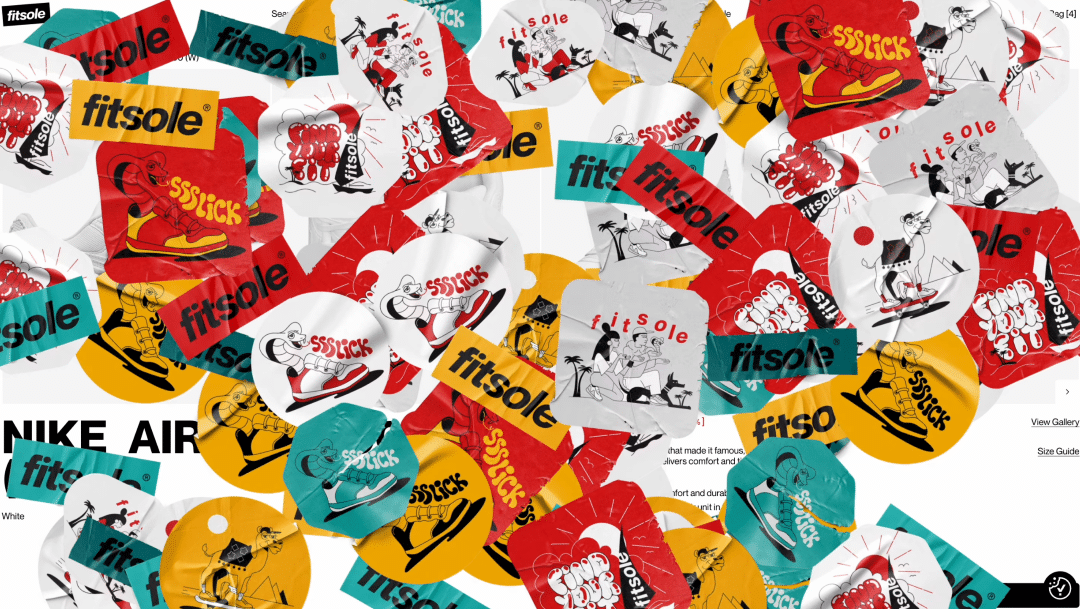
To infuse our visual identity into the e-commerce experience, we created custom illustrations that acted as fun “easter eggs” across the site. These illustrations also served as stickers for screensavers during user inactivity and allowed playful “tagging” of the About page. This playful feature tapped into urban streetwear and sneaker culture while reinforcing our brand identity.
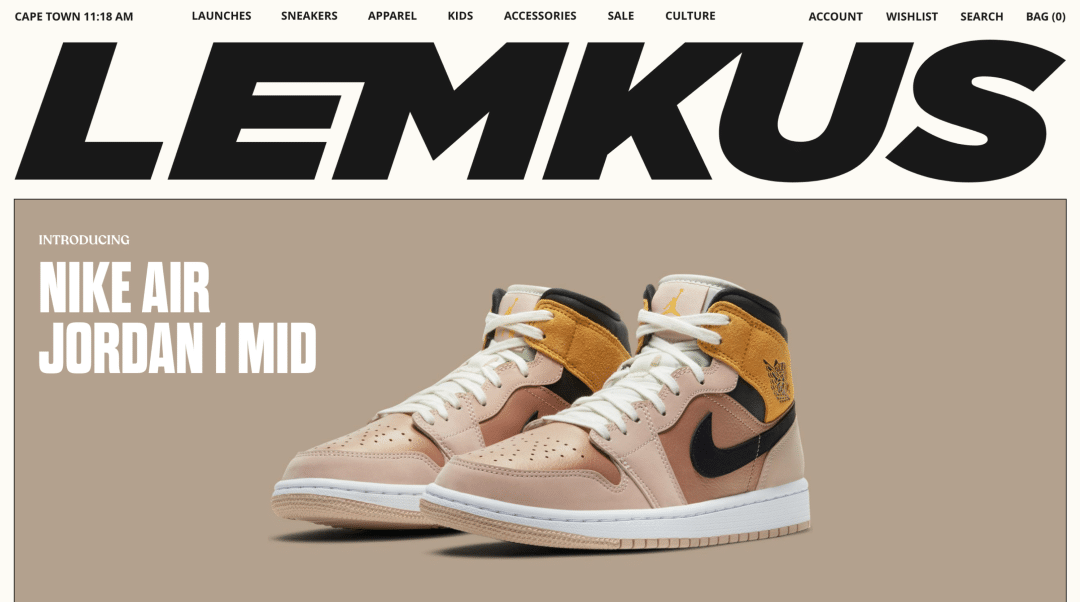
The LEMKUS project involved creating a new design system and overhauling the digital experience for shoe and apparel shopping. How did this new design system impact their direct-to-consumer revenue?
Our team was tasked with modernizing Lemkus’ e-commerce design system to improve customer experience, boost direct-to-consumer revenue, and reinforce the brand’s connection. The challenge was to create a seamless shopping journey for customers while providing community engagement through Lemkus’ blog, events, and pop-ups. Our primary focus was to reflect the Lemkus culture, creating a comfortable shopping environment that put customers at ease.
We incorporated touches of South African heritage in the choice of colors and typography, reflecting Lemkus’ roots and strong community culture. We also implemented a responsive design system that worked seamlessly across all devices, ensuring a consistent shopping experience for all customers.
Additionally, we introduced an advanced filtering system for easy product searches and created engaging content to enhance the customer experience.
The result was a go-to destination for sneaker enthusiasts to explore, connect, and shop. By investing in a new design system that aligned with e-commerce best practices, Lemkus was able to differentiate itself from competitors, drive revenue, and provide customers with an unparalleled shopping experience.
The results were impressive:
You’ve been able to collaborate with so many brands in your career, but what mistake have you seen from companies trying to stay relevant?
That’s a difficult question, as many factors are involved, especially those I may not be privy to. One issue I can identify is prioritizing creativity over the client’s actual needs. This happens when pushing the client in a direction that suits the agency or studio more than fulfilling the brief’s requirements. This can affect creative execution, the tech stack, or pushing for something “trendy” that doesn’t match the project’s needs. Staying relevant isn’t about keeping up with every new trend; it’s about producing quality work that satisfies clients and empowers their businesses. If you consistently deliver on those fronts, relevance follows naturally.
What role do you see AI playing in the future of web design and development?
Ah, the question on everyone’s lips! It ultimately depends on how much you want to incorporate it into your daily workflow and processes. We use it across multiple areas to help streamline certain aspects of our operations. While we don’t rely on it entirely, it has significantly improved our internal processes.
I believe it has already become a crucial part of many creative businesses, and I can’t imagine that trend slowing down. The effectiveness really depends on the business and how individuals leverage it. We are constantly exploring new tools and options; some have proven to be more successful than others. However, we’ve reached a point where I couldn’t imagine life without it. To be completely honest, I know we aren’t leveraging its full potential at this time and this for me is an exciting opportunity.
What is the best insight you can give to young creatives aspiring to move into a career in this industry?
I think it starts with finding your passion and what inspires you—what gets you up in the morning without dreading going to work. Get experience, whether through studying, being self-taught, or working in studios or agencies. Real growth happens in the workplace, especially when you’re outside your comfort zone. Ask questions, find a mentor, and be open to criticism and learning. This should continue throughout your career; it shouldn’t stop. Our designers and younger team members teach me daily, and I value that.
As someone who enjoys challenges, is there any lesson you’ve had to learn multiple times?
There are quite a few challenges, but one that creeps up often and I still struggle with is saying no. There’s a huge amount of power in saying no, whether it’s for jobs you know you shouldn’t take on or pushing back against clients to prevent scope creep and set expectations upfront. I’ve gotten better at this through experience and learning from past mistakes.
I’m not advocating for saying no to everything or constantly pushing back, but it’s important to be assertive and confident in your decisions and those of your team. When necessary, express your thoughts clearly. Often, this approach works in your favor, and clients tend to appreciate it. Otherwise, you risk pixel-pushing, falling short due to scope creep, and minimizing profit.
What’s your favorite way to spend a weekend?
It depends on the week I’ve had and what’s coming up! Generally, I spend my weekends with family and friends, enjoying nature, and if it’s summer, I try to get to the beach. I have a very active dog who loves the mountain, so I make it a point to do a trail as often as I can to relax and unwind. Other times, I just relax, braai (South African term for barbecue), and catch up on sports or Netflix.
If you could have dinner with any historical figure, who would it be and why?
Diego Maradona, just to sit and listen to his stories, I can imagine they would be wild.
Can you name a fun fact people would be surprised to learn about you?
I have a condition that’s often linked to a form of auditory processing disorder (APD), where I have difficulty processing different elements of sound at the same time. In my case, I struggle to separate the music from the lyrics, so I tend to perceive the vocals as just another instrument rather than focusing on the words.
Rogan’s Working Preferences:
Usual breakfast:
I don’t usually eat breakfast.
Most quoted book, TV Show or movie:
I have no idea, maybe Step Brothers
Last place traveled:
New Zealand
Last downloaded app:
Vidaa, which I had to download for my TV.
Favorite design tool:
Figma all day, every day :)
The game you’re best at:
Football
Preferred spot in your town:
Oranjezicht Market—not for the market itself, but for the bacon rolls. Or Sotana for a cold beer.
Unusual Hobbies:
I wish I had one
If you could solve one problem in the world, what would it be?:
Violation of human rights. Addressing human rights would tackle a huge amount of serious issues in the world we live in, like access to education, healthcare, and freedom of expression, as well as ensuring protection against human trafficking, violence, and war.
Agency to watch

Best in Breed since 1998. Lounge Lizard is a Digital Agency that Specializes in Brand Strategy, Website Design, Web Development, Mobile APP Development, Online Marketing, Social Media, Ecommerce, and SEOdigital experiences that move brands and businesses from now to next.
Featured agencies

134744 Views

115342 Views

109196 Views

91624 Views

88076 Views

82916 Views

74552 Views

61389 Views