“Make a groove that goes beyond nationalities and culture”
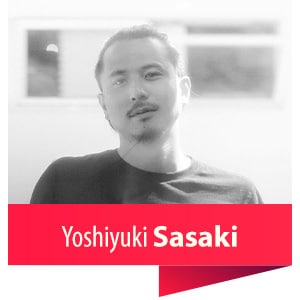
Tokyo, June 4th, 2021
monopo is a multidisciplinary creative agency based in Tokyo, London & New York.
Between East and West, monopo delivers design-driven solutions through digital experiences, branding, advertising and video production.
The agency started in Tokyo and in 10 years has built a globally-minded community that mobilizes creative opportunities and breaks down barriers of culture.
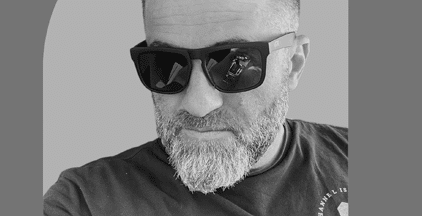
In an interview with TIA, Yoshiyuki Sasaki, co-founder and CEO at monopo, described his transition from a professional bassist to the head of a leading independent creative agency.
He explained his current role and the elements that make monopo stand out, while laying out the agency’s recently announced expansion plan.
To kick things off, what do you love the most about Japan?
I like how Japanese design thinking is evident in everything from daily products to architecture and ancient crafts. In Japan we have an age-old concept of celebrating “negative space”, this is seen in Japanese vessels, vases and even culture where the essence of all things exists in contrast to “nothingness”. I like how they bring my thoughts into relief by making me aware of nothingness.
For example, rather than the elaborate design in traditional Western or Chinese pottery, a Japanese vase is designed to consciously contrast the hollowl. Even Japanese toilets are designed in consideration of the “nothingness” of the bowl and experience.
What’s one must-do experience in Tokyo in your opinion?
Whilst there are many must-try food, nightlife and cultural landmarks, I would recommend visiting some select stores with carefully selected pottery from all over Japan. Through window shopping in less “commercial” parts of the city, we can notice many up-coming craftsman through the stores handpicked product selection.
After getting inspiration and crafting your own pottery preference, I recommend taking a trip to meet real craftsmen and their work. For example, Mashiko, only 1-2 hours from Tokyo, is one of my “power spots”. The harmony between minimalism and modern design is beautifully presented in Mashiko’s product style.
During the Samurai era, the many types of vase styles became a symbol of regional influence. Many samurai lords invested in art techniques and artists to create “trends” in pursuing their own aesthetics and spreading a new culture through craft.
Back in 2011, you Co-founded Monopo with Shun Okada, tell us about the day the idea was born.
After Shun got off the stage during a gig, we decided to create monopo. For context, at the time of founding monopo, Shun and I were both aiming to be professional bassists and whilst we did play professionally, we realized that many of our more talented musician friends didn’t know how to access professional opportunities because they lacked producing skills.
Realizing that assigning the best bassist was more rewarding than being the best bassist, was when I discovered the producer in me. Through this musician mentality/ experience, the idea came to us naturally.
We enjoyed the organization of bringing the group together and this led us to want to create a company. Shun was the partner I wanted to create something that supported the not only music industry but also the creative industry as our network included many talented creators too.
Could you explain to us briefly what’s your role as the agency CEO?
Now, in monopo, I’m playing the role as if I’m still a bassist, bridging and supporting talented creative thinkers from all different skill sets.
As CEO I am responsible for driving a vision that continues to create opportunities and essentially make a groove that goes beyond nationality, language and culture.
What makes monopo stand out?
monopo is unique in terms of being an independent Tokyo born creative agency. By spreading and continually challenging our knowledge on perspectives from different lenses, we strive to stand out even more and share new perspectives from East to the rest.
Japan was a closed country for a very long time, but after opening up started sharing ideas with afar and embracing globalization. Especially since the digital boom, there has been a shift in how we redefine global communication in Japan and at monopo, we were quick to embody a flat, diverse and open-minded approach that not all businesses are able to do here just yet.
Whilst we encourage a Japanese spirit of modesty, kindness and respect for craftsmanship, we welcome any nationality or outlook. It’s not always the easiest way but we are constantly challenging members to collaborate beyond barriers.
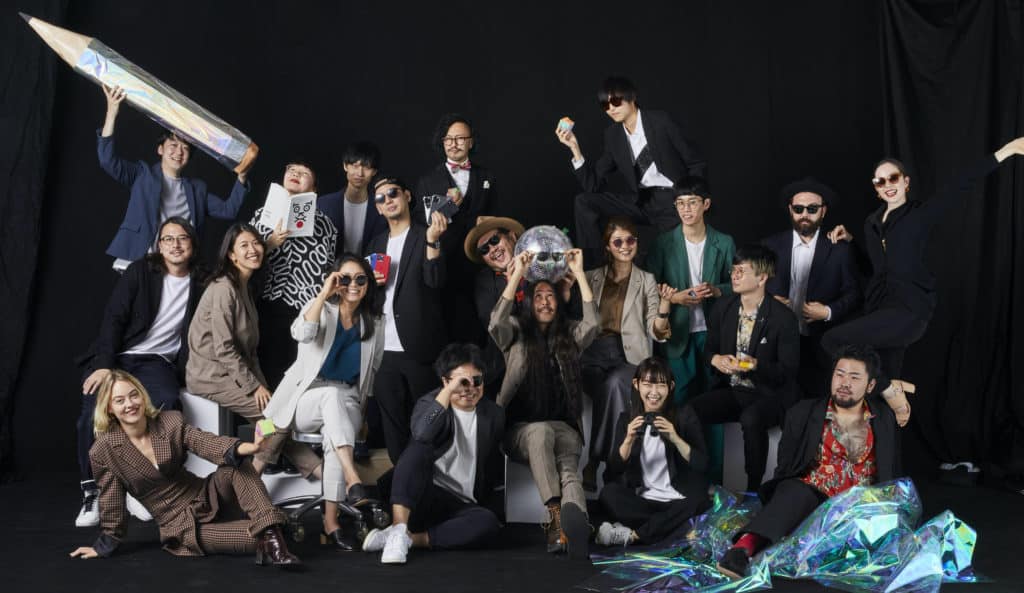
You have recently released Monopo’s expansion plan. What would you say are the biggest challenges brought by it?
This expansion plan is meant to excite and challenge us so we are constantly adapting and testing how/where/why we work. That being said, a challenge we foresee is finding a balance between free direction for real branch localization with the limitations that come with organization growth (ie. How we maintain a strong identity and organization whilst still allowing space for localization and individuality).
As enlarging and diversifying sometimes makes authenticity lost, the biggest challenge is maximizing the value of our creative collectiveness at the same time of the expansion. Just like how an orchestra has many different players but one big note/ one direction: this gives a set necessary structure but could be seen to create limitations.
This is also why we fix a boutique number of people for each branch in order to allow open collaboration, equal opportunity and for each city to take on their own personality.
Retaining talent is one of the hardest things nowadays, how you ensure to maintain employee satisfaction during these times?
The word “retaining talent” doesn’t sit well with monopo philosophy, rather including talent in the vision and growth is the best way to maintain individual satisfaction. We work hard to make monopo a place where everyone’s individual visions, passion, even preferred location can be supported by the company within a vision that is collectively executed. Essentially the company supports the individual as a “company made by individuals”. We constantly try to inspire new collaboration and creative growth by setting an open stage for opportunities.
We also encourage autonomy to rely on the organic flow growth which creates a unique outcome of decisions born from individual and not just the “top management” of the organization contributing.
We also have a strong referral system where many staff actually joined through recommendations from their friends, meaning the “vibe check” is an important part of employee satisfaction and internal connections.
We have a close “sensei” culture where members share their own career experience or skills within the team. But as a boutique agency, we can’t always find the exact “sensei” so we have built a connecting manager system where we find external partners to be a “sensei” for the particular skill required. For example, I am a bassist so I would need to connect a drummer with a drummer sensei to boost their growth and inspiration.
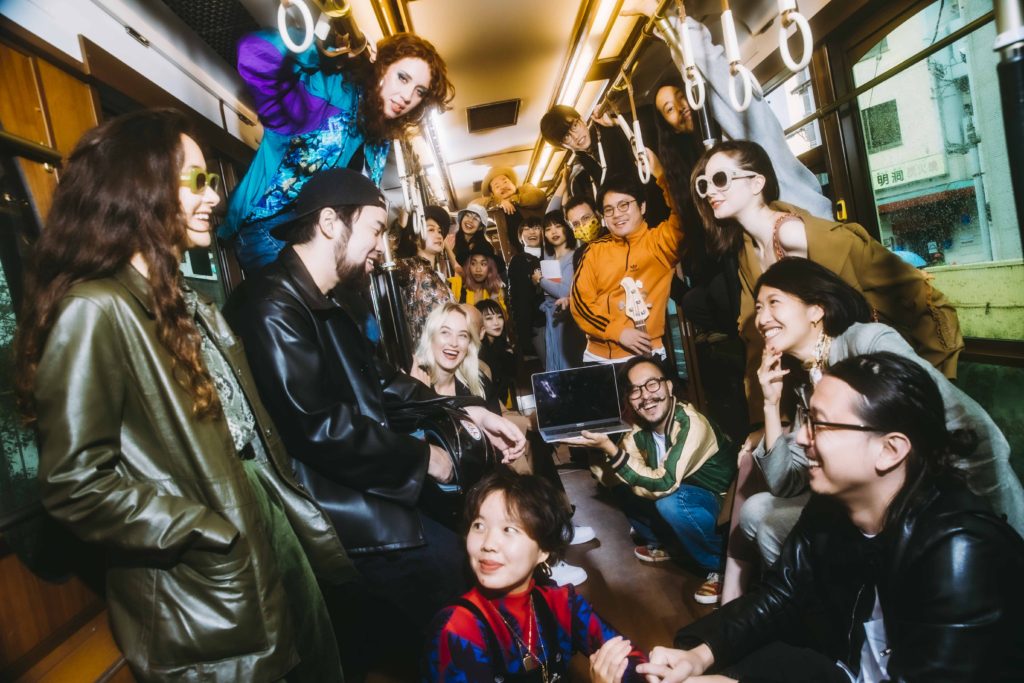
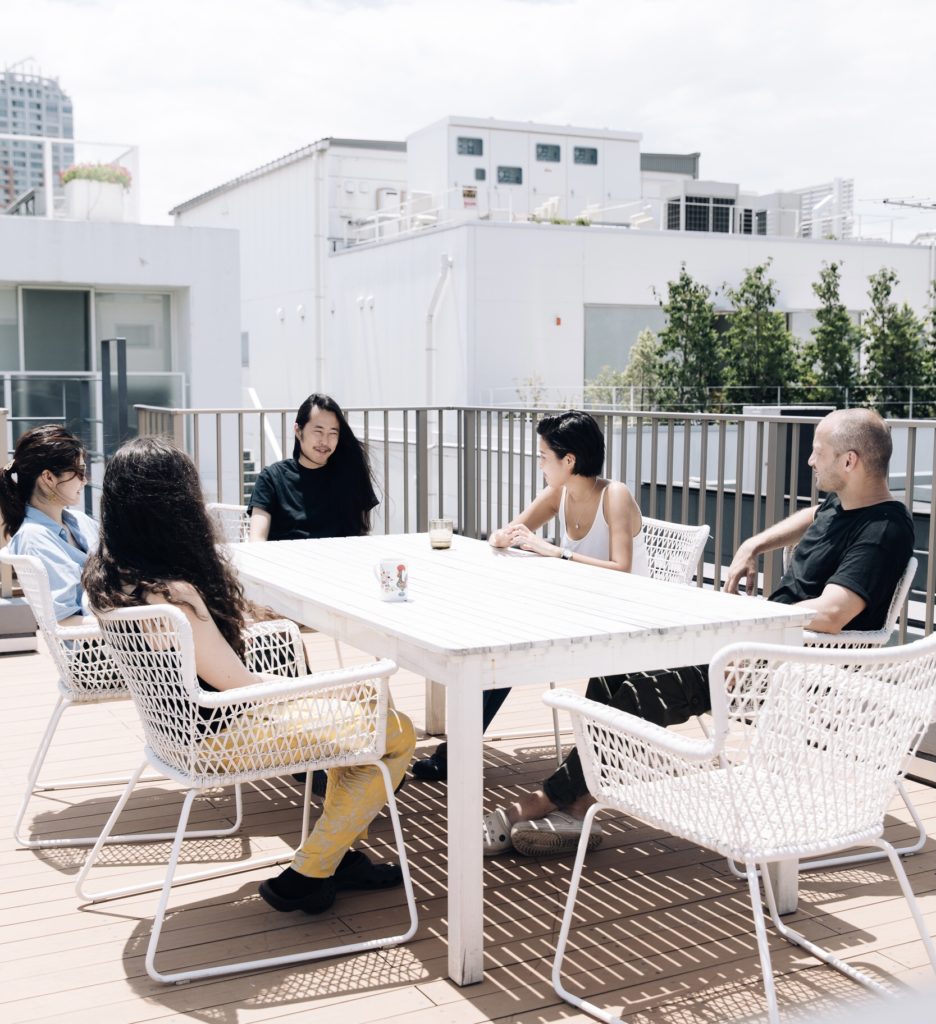
We are living the most important pandemic in recent world history. How digital has changed marketing product launches?
Digital has made a big move from being just a tool or side platform to a part of communication and marketing. Since the pandemic, the need for digital to meet empathetic/ “human” attachment of marketing/ advertising was evident.
Before COVID19, most brands positioned digital marketing as just one of their tools but now it is a key social connector. There is also more of a creative challenge to attract attention and stand out with almost any brand having a digital presence (even in luxury) in the last decade.
Tell us about a recent project you’ve worked on that you’re proud of, what particularly brought out the best in you?
I was proud to see projects that embodied our global collective creative vision or when the branches could collaborate to create something new.
For example, we worked on web projects for South African company Smollan or US-based non-profit Cellular Agriculture Society that was designed in London and developed in Tokyo.
We worked on a project for SONY recently that was conducted between US, Tokyo and Paris and was part of an online event that played a significant role in the PR of a company even during COVID19.
Even during COVID19, international collaborations are possible thanks to the growth of digital marketing and communication tools like with a project for Musiversal where the client was in the US, branding and strategy by London and virtual shooting produced in Vietnam and China- making me feel proud that monopo can contribute to spread creativity, innovation and opportunity.
With shopper behaviours changing, what impact do you believe machine learning and big data will have on the world of creative production?
The more data collected from the platforms we use, the more efficient our shopping experience gets. Browsing is catered to your own tastes or browser history. However, this could narrow the browsing options for customers.
There is also more access to “reviews and research” which is also distorted with data and marketing. I think that human curiosity throughout history shows this may not last forever, as we are always seeking new ways and this pressures the market to invent something unique and new. For example, we invented sandwiches even when there was only bread and ham. So the creative industry is more important to support brands find that unique position and products, and be beside them to implement e-commerce experiences.
What new ideas in immersive experiences are you excited about?
Sound effectiveness for communication. As an ex-musician in the creative industry, I believe beautiful sounds will become more integrated into immersive experiences. I am really curious about how this will create an impact on people’s mood or even enhance empathetic human connection in creative communication.
Where do you go if you want to get inspired?
Actually, my secret major source of inspiration is Mahjong. Each game, each player is different. The strategies such as Kokushi Musou and different decision-making strategies leave me feeling inspired and motivated. Breaking bread with friends and partners where we can share honest experiences with all types of people is another key source of inspiration for me.
Can you name a fun-fact people would be surprised to learn about you?
Never worked a full-time job before founding monopo in university.
Yoshiyuki’s Working Preferences:
Home Office, Coffee Shop or Coworking Space :
monopo Office/ Home with the same interiors and art
Wake up time:
10am
Usual breakfast:
Just a banana
Most quoted blog, book or movie:
Book: " Creativity Inc." the Pixar book.| Movie: "Mulholland Drive" by David Lynch
Last downloaded app:
Competitor's apps of Uber Eats (but I tend to delete apps everyday)
Favorite digital brand:
Apple Music
Unusual hobbies:
Playing Mahjong. Vase Collecting
Preferred spot in your town:
Kaiheya, a speakeasy natural wine bar with 80-90's music
If you could solve one problem in the world, what would it be?:
Solve world hunger
Thanks Yoshi!
Follow Yoshi on social media:
Follow Monopo on social media:
Agency to watch

Best in Breed since 1998. Lounge Lizard is a Digital Agency that Specializes in Brand Strategy, Website Design, Web Development, Mobile APP Development, Online Marketing, Social Media, Ecommerce, and SEOdigital experiences that move brands and businesses from now to next.
Featured agencies

134751 Views

115348 Views

109198 Views

91626 Views

88083 Views

82922 Views

74555 Views

61392 Views