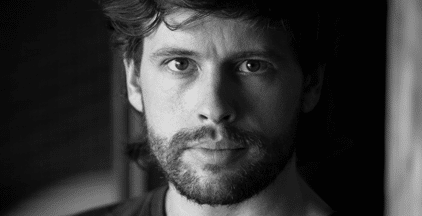
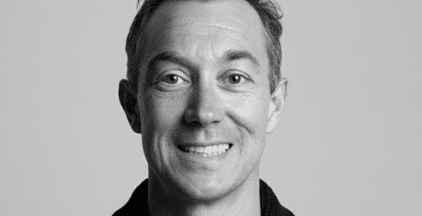
“Good design can enhance accessibility for everyone”
I constantly keep certain individuals in mind, asking myself whether they would understand and benefit from what I'm creating

Amsterdam, August 31th, 2023
Unc Inc is a digital creative agency from Amsterdam that focuses on human centered design, which means putting the end users’ interests first in everything they do. The agency works with purpose-driven brands to improve the world with creativity and technology. They offer a wide array of services, from user experience design to digital and brand strategy.
Marie van Driessche is a UX Designer and Researcher at Unc Inc. In an interview with TIA, she highlighted the importance of design to enhance accessibility and how the agency aims to create inclusive digital environments that break down barriers. She also described the process of making a digital product accessible and the role designers play in building more-accessible societies.
To kick things off, could you describe some of the ways in which Amsterdam’s natural and urban environments have influenced your lifestyle and creative work?
The diversity of people and cultures in Amsterdam has significantly shaped my creative perspective. Growing up in a creative household with parents who encouraged artistic exploration, combined with the city’s cosmopolitan yet communal feel, has fostered a rich environment for exchanging ideas and inspiring my work as a creative UX designer, researcher, and advocate for accessibility.
When did you realize you wanted to pursue a career in this industry?
During my initial job experiences, I recognized the vital role of good design in enhancing accessibility for everyone. Given my personal background and experience as a deaf individual, I understood the significance of effective communication. While initially inclined towards photography, my discovery of graphic design during an open day at the Royal Academy of Art changed everything. It became evident to me that imagery and language holds the power to bridge gaps and offer a pathway for conveying information. This led me to pursue a Bachelor’s in Graphic Design before venturing to London, UK, for my Master’s in Graphic Moving Image at the University of Arts London. I later worked at a French company specialising in accessible communication for the deaf community and another in Utrecht, Netherlands, focusing on websites for digital public services and other positions at other companies. These roles deepened my understanding of the crucial role of inclusive design. Currently, I’m a UX Designer and Researcher at Unc Inc, also supervising theses at the University of Applied Sciences in Amsterdam.
Where do you spend most of your time, and what does a typical day for you entail?
In general, I’d say I spend 80% of my time on client work, and 20% on the development of internal processes, management and design reviews. My routine varies, encompassing tasks like crafting user stories based on client and user needs, delving into user analytics, helping clients to turn general objectives into specific OKRs or KPI’s, designing wireframes/flows, preparing accessibility reports, and providing colleagues with UX insights.
What makes Unc Inc stand out?
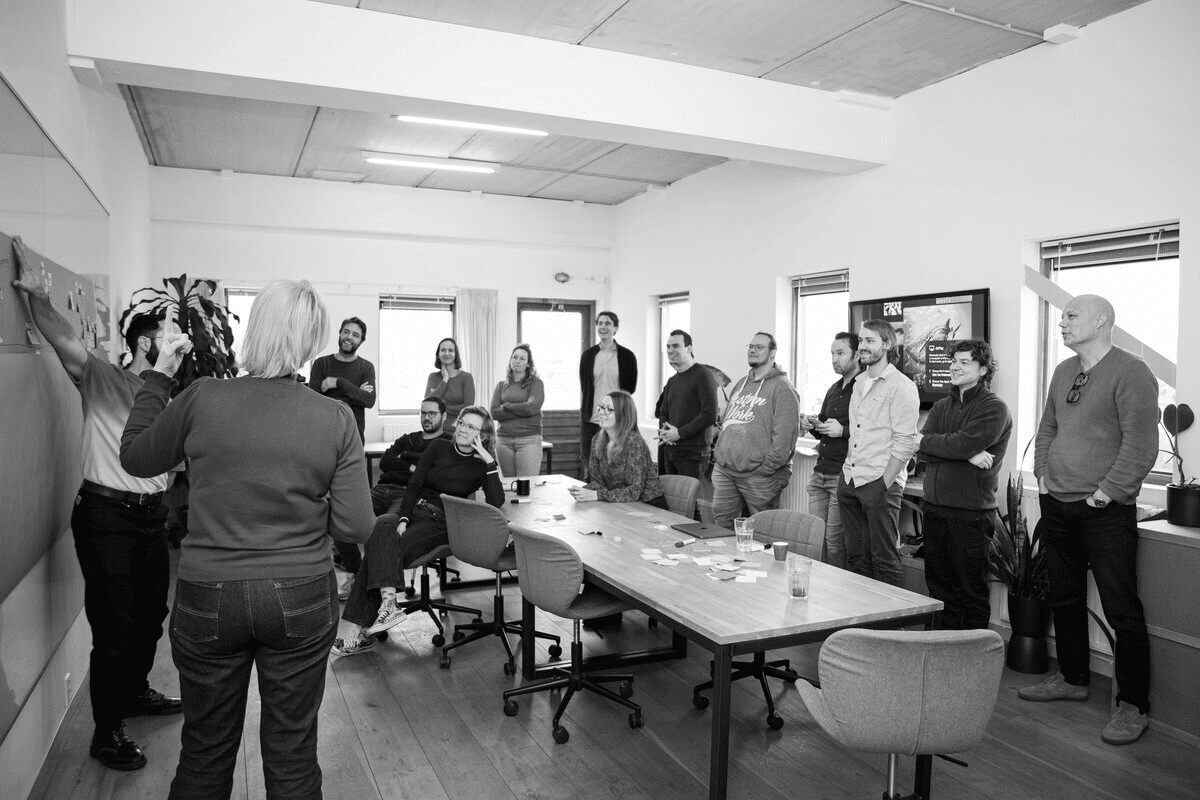
We exclusively work for organisations that are purpose driven, mainly in the fields of equal rights, sustainability, community work, education, arts and culture, and healthcare. We aim to create inclusive digital environments that break down barriers and make cooperation more seamless and efficient. We’re not the only agency that speaks of good intentions. But beyond mere words, we try to set ourselves apart by offering clients a Return On Impact; a quantified insight into our contribution to their organization’s goals. For that reason, we’re about to attain a B Corp certification, which will measure our agency’s entire social and environmental impact.
Another distinct aspect is our culture. It actively promotes collaboration, accessibility, and transparency, fostering an environment where everyone’s voice matters.
How do you balance the need for innovation and experimentation with the practical requirements of meeting client expectations and delivering successful projects?
Innovation isn’t always the ultimate solution. Striking a balance between creativity and meeting client expectations often involves being resourceful with time, budgets, and goals. While being innovative has its place, I prioritize robust and sustainable solutions that cater to our target audiences.
Do you have an inspiration routine when you start working on a new piece?
Well, not precisely. It tends to vary based on the client’s requirements and my current mindset. Each project presents a unique puzzle, which is what makes it enjoyable for me; the dynamic nature of the work keeps things fresh. While designing and researching, I constantly keep certain individuals in mind, asking myself whether they would understand and benefit from what I’m creating. This approach helps me incorporate people-centric considerations into my design process.
How is the process of making a digital product accessible?
Creating accessible digital products involves various steps. To meet basic requirements, I leverage tools like Stark to verify contrast, prioritize headings, and develop user-friendly content. Rigorous testing, including keyboard and user testing, often involving individuals with disabilities, plays a key role. Even better is to have diversity within your eam to ensure maximum accessibility.
For instance, let’s take the example of an app developed for our client HVC, a public company in sustainable energy and waste management, which aimed at improving people’s recycling habits. During a refinement phase, the Product Owner suggested removing email details from the app, leaving only a phone number for customer service. I intervened, arguing that, like me, not everyone prefers or is able to use a phone call for communication. Without this intervention, their proposal might well have been implemented.
Furthermore, it’s essential not to rely solely on empathy by using persona’s (more about this in my critique of traditional design thinking). Merely adding subtitles doesn’t make a video fully accessible to the deaf community and others with different needs.
What tools and methodologies do you use for creating wireframes and prototypes?
I employ tools like Stark, Figma, and Miro for wireframes and prototypes. Miro helps me visualize ideas and plan tasks in detail, while user interviews aid in identifying clear requirements.
Of all the recent projects you worked on, which one are you most proud of?
Leveraging my experience as a (formerly UI) and UX designer in various companies, I’ve been able to enhance internal processes at Unc Inc. This was achieved through conducting workshops on crafting effective User Stories, attaching clear tickets and tasks, resulting in the establishment of a streamlined workflow.
Also, our work for the above-mentioned client HVC needs mentioning. Creating a highly personalized experience was rather complex, yet we succeeded in making it accessible to all by venturing beyond the limited guidelines that are available for mobile apps.
Another project I’m proud of is for Oranje Fonds, the largest social fund in the Netherlands. After helping them to clarify their online goals, a rigorous simplification of their navigation helps visitors quickly understand who Oranje Fonds are, what they stand for, and most importantly, to apply for funding for their social initiatives.
Are there any specific industries or sectors that you find particularly fascinating or enjoyable to work with?
The opportunity to working with purpose-driven organization was a major consideration in my choice to join Unc Inc. But the project I find most fulfilling are those that enable people, often volunteers, to help those in need. Good examples are VluchtelingenWerk (Dutch Refugee Council), Humanitas (a large volunteering organization) or Oranje Fonds. Contributing positively to the world through design, I feel very privileged to be able to pursue my personal mission though my work at Unc Inc.
Can you discuss the relationship between art and design in your work?
Growing up in a creative household instilled in me a creative mindset that helps me approach projects innovatively, sometimes perhaps non-conformist, hoping to find unforeseen solutions. This background enables me to think creatively and find opportunities where others may see obstacles.
In general, what role do you think designers have to play in building more-accessible societies?
I feel that as designers, we should stand as an ally to outliers and amplify the conversation about diversity. We should yield the floor to people with disabilities to help identify and eliminate barriers. I know this is ambitious but as a designer you can achieve more than you might think. Start with educating yourself, to gain insight into various disabilities. Second, actively involve individuals with disabilities, allowing their perspectives to uncover and overcome obstacles. And always show respect for other people’s requirements and limitations. Only then will you develop the skill of empowering others.
When looking at the technological landscape today, what makes you think “wow”?
The evolution of mobile phones, especially those adorned with advanced cameras, has been nothing short of transformative for me as a deaf individual, granting me independence in communication.
What’s the next skill (tech or non tech related) you plan on learning?
I’m never finished learning. Currently, I’m delving into ceramics, which brings me immense joy in engaging with my hands. I’m simultaneously immersing myself in Google Analytics 4 and Figma. Additionally, I aspire to master performing more skills in kitesurfing, like better jumps and other tricks.
Do you think someone can get into the field without educational experience in a school environment?
Formal education isn’t the sole path. Demonstrating the ability to justify decisions, seeking advice, and staying open-minded are the keys. Embrace learning and humility, and don’t hesitate to acknowledge that growth is ongoing.
From your personal standpoint, what global issues are you most passionate about and why?
Accessibility and equal rights and opportunities – these have been battles I’ve faced consistently, especially as a deaf woman. It took me a considerable time to carve out my space as a UX designer, educator, and expert. I’ve never focused on the notion of impossibility, there’s no “I can’t.”
If you had to sum up Amsterdam in just one sentence, how would you do it?
Where global allure meets a charming village vibe.
When your friends come to visit Amsterdam, what places are you most enthusiastic about showing them?
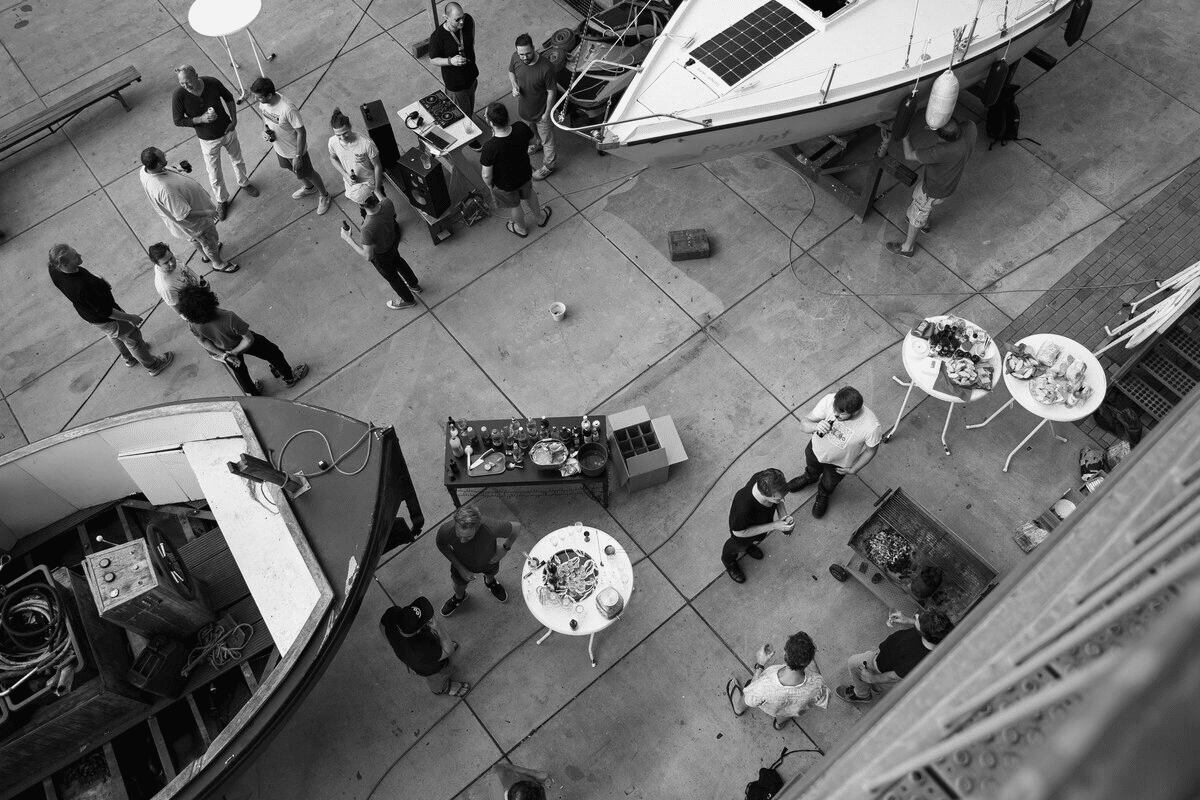
I love sharing the lesser-known neighbourhoods beyond the touristy centre, such as Bijlmer, Zuid, Oud and New West. And don’t forget NDSM – is a former shipping wharf in north-west Amsterdam which is used as a space for artists/exhibitions/festivals. It’s also where the Unc Inc office is located.
Can you name a fun-fact people would be surprised to learn about you?
I love to read cookbooks in bed before falling asleep.
Marie’s Working Preferences:
Early Bird or Night Owl?:
None, I’m more of a Day person
Usual breakfast:
Oatmeal, fruit and dairy free yoghurt
Most quoted book, TV Show or movie:
I do not have a quote
actually…
Last place traveled:
Northern Italy and Oman
Favourite type of cuisine:
Mexican, Italian, mid eastern and Vietnamese
The game you’re best at:
Rummikub. I even have a tattoo of the Rummikub joker on my arm as a memorial for my grandpa (we used
to play together)
Preferred spot in your town:
Oeverlanden, close to Nieuwe Meer.
Very green, quiet to jog around and take a dip in the lake
What's something that always makes you smile:
My boyfriend with
his witty jokes, my little nephew, and cycling through Amsterdam
(when it’s not raining and being overthrown by tourists)
If you could solve one problem in the world, what would it be?:
Ensuring accessibility and equity in education for all
Thanks Marie!
- Learn more about Unc Inc
- Follow Marie on social media:
- Follow Unc Inc on social media:
Agency to watch

Best in Breed since 1998. Lounge Lizard is a Digital Agency that Specializes in Brand Strategy, Website Design, Web Development, Mobile APP Development, Online Marketing, Social Media, Ecommerce, and SEOdigital experiences that move brands and businesses from now to next.
Featured agencies

134751 Views

115347 Views

109198 Views

91626 Views

88083 Views

82922 Views

74555 Views

61392 Views