“We exist to have a positive impact on people’s lives”
Is testament to the power for good that technology can have in the world.
 Bournemouth, June 14th, 2023
Based in the UK, 3 Sided Cube is an app development and digital product agency on a mission to use technology to change millions of lives for the better. It started in 2009 and since then has reached communities in over 87 countries, creating technology solutions to solve global problems from climate change to plastic pollution.
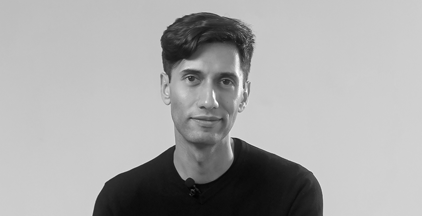
Richard Strachan is the CEO of 3 Sided Cube. In an interview with TIA, he described how the agency is working with clients that are trying to solve global problems and how technology can help with that. He also highlighted the importance of new media to change people’s minds and listed the elements of an effective digital strategy.
To kick things off please can you describe your neighborhood and what makes it home?
I live in Bournemouth on the south coast. It’s a sunny place, with the new forest to the East, the Purbecks to the West, and the Sea to the south. It’s home because I have always (except for a few years at University) lived here, and this is where most of my family live.
Tell us about your personal journey. How did you become 3 Side Cube’s CEO?
I’ve worked in digital since I left University. Originally in a Digital marketing startup that we grew and sold. We sold to a more traditional advertising group, and so I moved onto a larger advertising agency, that was still local (in Southampton) but had some big international clients that worked in Gaming and Fashion. It was great fun, and to start with, all felt very glamourous. But after a while the glamour of working on big brands fades and you start to realize that actually it’s the work that matters. What you are doing, and why. I realized that you spend a lot of your time at work. And shouldn’t there be more to life than helping to flog jeans and video games, that people were probably going to buy anyway?
I was looking for a change and a step up (I was an Operations Director at this point) and the opportunity to run 3 Sided Cube presented itself. At that point we were past being a startup, but still not exactly sure what we wanted to be. But I knew we had some incredible clients, through which we could build products that made a real difference in the world, an incredibly talented team, and, probably most importantly, a founder who was obsessed with talent. Spotting it and nurturing it. Agencies are a people business first and foremost, and talent is everything.
Where do you spend most of your time, and what does a typical day for you entail?
The majority of my time is spent on the marketing and commercial side of the business these days. Getting the word out about the great work that we do, and making sure that we are who people think of, when they think about using technology to have impact. I’m lucky to have a great COO who has forgotten more about how to build great digital products, than I will ever know, so I know she has that side sorted I can concentrate up stream.
What makes 3 Sided Cube stand out?
The mission is everything. We exist to have a positive impact on people’s lives. To leave the world a better place than we found it. When our clients work with us, they can trust that we are obsessed with helping them, because we have a shared goal.
Could you expand on how the company’s passion for using technology to solve issues like climate change and plastic waste is incorporated into the work done with clients?
It isn’t so much incorporated into the work. It IS the work. Our clients are all trying to solve problems. Technology can help that in a variety of ways. Whether it is providing a service at scale, better communication of a message, training, behavior change, Technology can greatly reduce friction and make things easier. The key is to understand how to deploy it in a way that makes it easy for users. The dream is for it to be so easy, that often they don’t even know it’s happening.
Technology can also be a great leveler. A project I often talk about is the Forest Watcher app that we built with the World Resource Institute. It’s used by indigenous people in the worlds rain forests to monitor and report areas of deforestation. The platform puts the power of geostationary satellites, machine learning algorithms, cloud services, mobile data etc; literally into the hands of people that have never used a mobile phone before. People whose habitat, their homes are being wrecked. And it gives them a voice, and a chance to fight against giant organizations and corporations. That blows my mind, and is testament to the power for good that technology can have in the world.
Do you think the new media has the power to change the minds of people who don’t believe in the environmental crisis?
Data has changed the minds of people that don’t believe in the environmental crisis. The only deniers left are trying to stoke a culture war.
Of all the recent impact projects the company has worked on, which ones are you most proud of?
As I said above, the Forest Watcher App will always have a special place in my heart, because it represents everything that I believe technology can be. But a more recent one is probably the Mentor app that we have developed with the UNHCR. It helps refugees to find connections and work in their new home. I love it because I believe that a good life is a meaningful life. A great way to achieve that is to feel that you are contributing. I think that the best way to help a refugee is to stop them being one. Remove the tag. Helping them to build a new, meaningful life is their new country is the least that we should do given the horrors many of them are escaping from.
Can you walk me through your development processes?
We do all of our work in house. We follow pretty tried and tested process’ although I wouldn’t say that we are strictly AGILE, as I don’t think that you can be when you are in a client/ agency scenario. At least not for a quite a long time. AGILE works on a lot trust, particularly when you are spending someone else’s money, and that takes time to build.
It can be challenging for organisations and movements to connect with their target audience. What are the essential elements of an effective digital strategy that can help overcome this challenge?
Honesty and openness. Don’t try to bullshit anyone. The nature of digital communication means the truth is always going to get out somehow, so be honest. Be true to yourself.
What role do you think the creative industry can play in helping fight climate change?
The creative industry specifically could be employed better at coming up with solutions and communicating the success. That sounds very obvious, but the world’s problems are big and complicated and can seem way too complicated to solve. But creative people have the tools in their armory, the process and methodology required, to overcome these issues. The trouble is that for too long, all the talent was being used working out how to sell ad space and get eyeballs on news feeds. Hopefully that is changing and we can get these genius’ looking at some real issues!
Please tell us a few actions that creative agencies can start doing to be more sustainable.
Switch your energy provider to a sustainable one. Don’t work with any fossil fuel companies. Don’t work with people in your supply chain that work with fossil fuel companies. Everything else is playing round the edges, to be honest.
I’m being a bit facetious there, but it is true. We did a podcast series on sustainability, speaking to various people, activists, entrepreneurs, scientists, people from all sorts of backgrounds, and the one tip that came up in everyone was that people should protest.
How is the UK’s political and governmental system incentivizing or enforcing eco-friendly behaviour among its citizens and businesses?
It isn’t particularly. It talks an average game and delivers nothing. You just have to look at their use of private jets to see how much they care about it.
Are there any recent market trends in clean technologies that you are excited about?
Solar. The price of solar is trending to pretty much zero.
What did you study at University and do you believe it has helped you in your career?
I studied Multi-Media Journalism and Business at University. I was really interested in journalism at that point (the late 90s), and was keen to learn about it in the “multi-media” age of the internet. I ditched the journalism bit pretty quickly after a placement told me I just didn’t have the stomach for it, but the “multi-media” (which basically meant websites) definitely stuck and I’ve been working in digital ever since.
Do you have a message for young creatives considering a career in this industry?
Do it! If you are good at it, it’s like a super power. You get to design the way that people live their lives. You will impact people every day. That is really powerful stuff. But as every spidey fan knows, with great power comes great responsibility. So use it wisely!
Are there any readings, podcasts or other resources that you enjoy or recommend?
Interesting one. The one business books that I have read that really stuck with me is ‘Black Box thinking’ by Matthew Syed. I always give it to those in our management teams. It compares the aviation and medical industries behaviour when investigating and learning from mistakes. Spoiler alert, the aviation industry learns and the medical one doesn’t.
The key take out being that an open, safe, and trusting environment and mindset will always beat an arrogant, closed, one. Other than that I genuinely always tell people they should read more fiction. The trouble (I think) with self-help books is that the people will read what they want to hear.
Confirmation bias is real, and so people buy the books by people that say things they want to believe. Not necessarily what is true. You’ve got thousands of years of literature to learn about human truth. Why listen to what some privileged Harvard Graduate has to say, when you’ve got the entirety of western civilisations greatest art to tell you about the human condition?
How would you explain what you do for a living to a child?
We make apps, like the ones on your phone. But the ones we make keep people safe, or teach them how to do things. One of my great memories was of my daughter asking me what I did when she was 6 or 7. I told her we were working on the app that warns people about danger, and helps keep them safe when there is a hurricane. “So you save people?”, “Yes”, “Like the Avengers?” I’ll take that.
Which unusual skill do you pride yourself in having?
I can’t think of an unusual one to be honest, picking snooker balls up with my feet?
Anything else you’d like to add?
I feel like I’ve said enough.
Richard’s Working Preferences:
Early Bird or Night Owl?:
Early Bird
Usual breakfast:
I don’t
Most quoted book, TV Show or movie:
Anchorman
Last place traveled:
Florence
Last downloaded app:
Pocket City 2
Favorite ecommerce shop:
Far Fetch
The game you’re best at:
Zelda
Preferred spot in your town:
My Balcony
Unusual Hobbies:
Cooking Omelettes
What makes a good day at work?:
When the products make a difference
Thank you Richard!
- Learn more about 3 Sided Cube
- Follow Richard on social media:
- Follow 3 Sided Cube on social media:
Agency to watch

Best in Breed since 1998. Lounge Lizard is a Digital Agency that Specializes in Brand Strategy, Website Design, Web Development, Mobile APP Development, Online Marketing, Social Media, Ecommerce, and SEOdigital experiences that move brands and businesses from now to next.
Featured agencies

134970 Views

115530 Views

109320 Views

91805 Views

88261 Views

83070 Views

74693 Views

61505 Views