“The way we shape metaphors and meanings for brands will continue to impact our future”
Design is not the final point but rather an important component of a larger ecosystem
 Los Angeles, August 30th, 2023
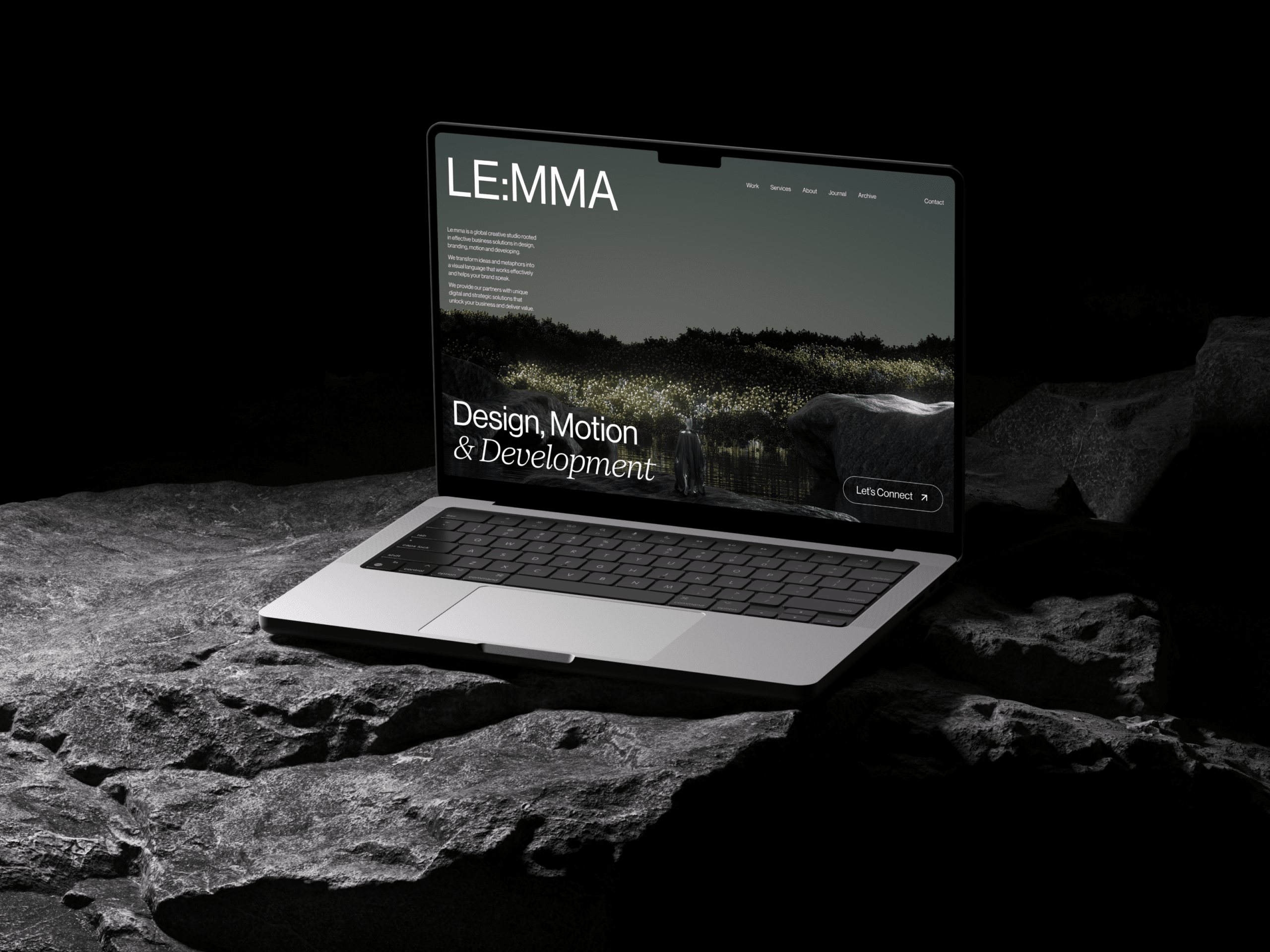
Based in Los Angeles, Le:mma Studio is a design studio specialized is a Full-Service Design and Development focused on Web 3.0 and Immersive projects. Its work mainly covers web design, mobile app design, expertise, branding, interface animation, visual identity and web development, helping clients in integrating their vision into a cohesive narrative.
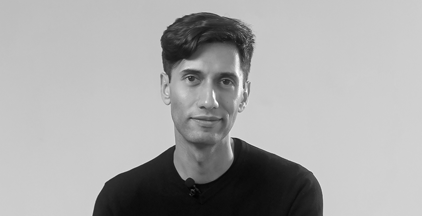
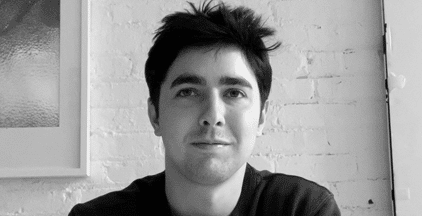
Artemii Lebedev is the founder and art director of Le:mma Studio. In an interview with TIA, he described his early start in design and how this led to starting his own agency. He described the philosophy of Le:mma Studio and the importance of bringing innovation to every project, also explaining what it means to be an art director and listing his responsibilities.
To kick things off, what do you like the most about working in Los Angeles?
That’s a funny question. After some time, I came to love everything about this city. I don’t like cold weather and prefer warm temperatures. In my home country, we only had warm temperatures for about two months in a year. Here I can never freeze and always prevail in a good mood.
Can you share with us a bit about your background and what led you to pursue a career in design?
My experience in business analysis began during my bachelor’s and master’s degrees. In this field, we utilize BPMN charts to identify business problems.
Additionally, we learned the fundamentals of coding languages such as HTML/CSS, C#, and C++. However, after practicing these skills, I realized that I did not want to pursue a career in development.
During my second year, my friend and I received an assignment from our cryptography teacher to participate in a Hackathon. In this Hackathon, we were required to choose three topics from six IT areas, such as frontend, backend, and cryptography, among others. Our main objective was to score over 100 points in order to earn five points towards our diploma. I chose front-end development and soon discovered that I genuinely enjoyed it and wanted to pursue further growth in this field.
Subsequently, I decided to explore UX/UI design and participated in another Hackathon, this time as a designer. Prior to this, I dedicated 5-7 months to honing my technical skills. During the Hackathon, my team and I developed a mobile application for a 48-hour food delivery service, encompassing both front-end and back-end functionality. This experience proved to be valuable, as we had to present our app to potential investors and provide a comprehensive overview of various aspects, including the marketing strategy, functionality, and how the app would generate income, among other points.
What inspired you to start Lemma Studio, and what is the philosophy or mission behind it?
I worked for a long time in a product company related to the music industry, where we focused on integrating sound and visual systems for concerts. Eventually, I felt the need for a change and got acquainted with NBA basketball player Jonah Bolden, with whom we opened a design studio. Our design studio was called Mative Labs, and we helped startups in the field of design and development. After a few years, our paths diverged due to different visions of the future. However, we still keep in touch, and I’m glad about it.
Later, I worked as a freelancer for a little over two years. At some point, I realized that I wanted to scale up, build a team of like-minded individuals, and create truly amazing and impactful things. Together with my close companion, we divided responsibilities and opened Lemma Studio. Lemma is a mathematical term that describes an intermediate solution on the path to the ultimate and correct solution. We found it to be the perfect metaphor, as design is not the final point but rather an important component of a larger ecosystem. Our mission is to help brands, artists, and crypto startups discover their emotion and share it with the world. We assist clients in integrating their vision into a cohesive narrative.
Could you give us an update on a project you’re currently working on and explain what it encompasses?
Our current project is a tattoo community platform founded by Oscar Akermo. This platform will connect all tattoo artists in one space and provide them with various features, courses, master classes, and more. We have finished branding, and now we are working on the main website, which includes a platform for artists and an introduction website. We will create all of that using Webflow. We’re super exciting to show it for world.
What role does innovation and pushing boundaries play in the work produced by Lemma Studio?
Our juicy part is innovation. Sometimes we try to find ways to create something innovative for each project. It could be a new coding method in Webflow or a unique interaction and transition. Of course, it depends on the client’s preferences, but we aim to incorporate innovative elements in every project. If our client doesn’t like a particular functionality, we suggest it as a futuristic concept and keep it in mind. Innovation doesn’t always have to be something noticeable right away; it can be a small detail, such as an improved CMS management or a subtle click in the menu section. We love to add a “zest” to every project we work on, and our clients are happy with it!
Are there any particular design complexities or advanced functionalities that cannot be achieved using no-code solutions?
Of course, there are challenges, but we often find solutions. Currently, we are able to explore new horizons and create virtually anything in Webflow by adding custom code, especially if designers have an understanding and knowledge of how the server component works. However, implementing such functionality takes more time compared to using native functions in order to optimize and improve it properly. So far, we haven’t encountered any obvious issues with implementing various features. Recently, we had a case involving crypto wallets, where we checked the NFT token inside the user’s wallet to determine whether to grant access or not. And we successfully accomplished that too.
How do you navigate the potential limitations in integrating third-party APIs or external services within projects built with no-code solutions?
If there is integration through the API, then the restrictions are already lifted. API calls enable us to add the necessary functionality that is not provided by Webflow itself. And if you have some knowledge of how JavaScript works, everything will work fine. The main challenge with Webflow is optimizing this code. Having caching would be very helpful, but currently, it is not available. We strive to integrate the code, test it on a live site, and then transfer the custom code to other servers.
Do you actively monitor and assess alternative no-code solutions in the market to diversify your toolkit and reduce dependency on a single provider?
Sometimes on Fridays, I explore alternative solutions and new products from Product Hunt and from blogs I subscribe to. To be honest, I haven’t actively sought out replacements or alternatives, but I make sure to stay updated on the latest innovations in these solutions.
Can you share a specific example where using a no-code solution has helped streamline the design or development process for a project?
A perfect example is the project we created for Solar Farm Access. The codeless solution and the utilization of third-party APIs allowed us to accelerate the development and design process by 2 times. We implemented features that would typically require a back-end cryptographer to work with. Additionally, we dedicated an extra day to testing the functionality on various devices and wallets. As a result, within 2 days, we obtained a ready-made solution that checks for the presence of a specific NFT token pass inside the user’s wallet, which they connect to the website.
We really enjoyed your project, The Thirty7. Could you please describe the creative process behind it?
I’m glad to hear that! The collaboration turned out to be fantastic, and we are pleased with the result. When you work together with other creative individuals and your thoughts converge into one metaphor, you undoubtedly create unique things. When The/Thirty7 approached us, we were immediately intrigued. The team was open to experimentation and eagerly participated in the creative process.
The agency’s founder, George Dolgun, described to us about the name. The/Thirty7 name comes from family tradition. The founder played under the #37 in sports, and it was his dad’s number and his grandparents lived in apartment 37. His younger brother also plays sports under the same number.
After conducting several experiments and finding the right direction, we focused on emphasizing this number. It turned out that the simplest and yet most effective approach would be to use the logo (number) as the main object throughout the entire website, supported by separators in the same style. We created a Webflow system for the team, allowing them to update all objects and components without the need to access the code. Additionally, the site and its pages can be easily scaled due to the reuse of the components we have developed.
Initially, we had two different concepts, which were distinct from what you see now. Ultimately, we merged certain elements from these concepts to achieve the final result – a blend of futurism, aesthetics, and mystery. By complementing this style with animated showcases, the team achieves a truly remarkable image at the intersection of innovation and daringness.
In Le:mma’s website it says that “Design creates culture”. What role would you say that design plays in shaping our world?
It seems to me that many people may underestimate the influence of design on our culture and perception of the world around us. If you take a closer look, it becomes evident that design constitutes the majority of what surrounds us – human spaces, buildings, signs, banners, websites, applications, packages, household items, vehicles, and the dishes we eat from. All of these encompass design. And the way we shape metaphors and meanings for brands will continue to impact our future.
As for responsibility, it appears to exist, perhaps not entirely direct, but it is present. If we create an extremely appealing product that is, in reality, harmful and unnecessary for people while presenting an intriguing message and story, will we be responsible for its subsequent popularity (if it occurs)? This question is much more complex than it seems.

Can you say something about the collaborative nature of the interactive industry?
Collaboration in the creative industry enables you to explore new horizons and bring together great teams or individuals. Diverse perspectives and problem-solving approaches, followed by joint reflection, help create a truly unique visual language. The reality is that collaboration occurs constantly, not only when working with creative teams. The client always possesses a better understanding of their product. Working alongside the client is also a form of collaboration that fosters a connection and guides the product’s development in the right direction.
Are there any misconceptions or stereotypes about Art Directors that you find particularly frustrating or inaccurate?
I know that many people believe that an “Art Director” is someone who comes up with an idea or concept, assigns tasks, and waits for the results. But that’s not the case at all. I would categorize the role of an Art Director into two types, and while the first type may exist somewhere, I haven’t come across it myself. An Art Director can be likened to a chef in a restaurant. It’s not just about being able to cook various dishes but also presenting them correctly. Of course, maintaining the reputation of the establishment is also important, especially when called to the dining area to meet a guest. An art director should have the ability to add the final touch to the dish and say with a smile, “This is truly amazing now. You’re good.”
Do you have an inspiration routine when you start working on a new project?
I don’t have an identical routine before starting a project. Each project is different, and inspiration comes in various ways. However, I have two consistent rituals that I generally follow every day.
As a member of the Awwwards jury, every morning while sipping my coffee, I review 10 websites that are assigned into my Jury Panel and rate them based on four parameters. After that, I dedicate one hour to creating a 3D or web concept, which I then share on my social networks. These ongoing experiments and the pursuit of new things energize me for the entire day. It can rightfully be called rituals because I’ve been doing them for a very long time.
Looking ahead, what are your aspirations or goals for Lemma Studio in terms of growth, innovation, or impact in the design industry?
Damn, I knew you’d ask this. Ideally, I would like to reach a point where the team consists of around 10-15 people, including developers, content managers, social media specialists, and others, all working towards a common goal. At the moment, this vision sounds incredibly cool and exciting to me. As for the future of innovation and change in the design industry, I prefer not to jump to conclusions just yet. Only time will tell.
Are there any hobbies or activities outside of design that you enjoy and find inspiration from?
I love playing Hearthstone and often enjoy observing how they introduce new interactive designs when interacting with the interface. I also watch performances at Tomorrowland and the UMF festival. The visuals displayed on the screens during the performances of certain artists are incredible works of art and are highly inspiring. For example, Anyma or one of Eric Prydz’s viral performances. When the industry is undergoing visible changes, shifting towards a new direction of blending visual design and sound design, you begin to realize that such transformations are possible in any field of activity. It’s exhilarating. It stimulates my brain to function in a different way.
When taking a break, where do you feel most at peace?
In a secluded place, it could be a park or a cozy little café. In such situations, I can be alone with my thoughts and sort everything out. Sometimes, thoughts become jumbled and need to be organized. Some people find solace in using a diary or a Trello board, but I prefer this approach. Sometimes, even helping with washing dishes can bring clarity.
What’s your preferred way of dealing with distractions while working?
Music allows me to get the mood and energy. Never distracts me. I only take breaks when I reach a completed point. If I take a break on something that is not finished, when I return back to my workplace, I will simply lose concentration. This is so weird maybe.
From your personal standpoint, what global issues are you most passionate about and why?
In my spare time from my main job, I assist with a green energy project. While I may not fully grasp the technical aspects of green energy, it gives me satisfaction to help a team of like-minded individuals who aspire to change the world for the better. They are determined to introduce something innovative and alternative to the current energy sources. The project is still in the development stage and I hope we’ll soon show it.
Which unusual skill do you pride yourself in having?
It seems to me that constancy and perseverance are my superpowers, but I may be wrong. There is one funny quirk about me — I don’t remember names well. However, if I look at a person for at least a couple of seconds, I will remember them for life, and even after many years, I will recognize them. In our company, we have a “ritual” where everyone tries to recognize heavily made-up actors who have already aged and remember where they played. It doesn’t have to be a popular actor. As you can imagine, I often win.
Please share something you’ve always wanted to try but haven’t yet.
If we’re talking about something ordinary, I would probably like to experience weightlessness and ride a motorcycle on a perfectly straight road. But on a more serious note, I’ve always wanted to be involved in the graphics creation process for game development or film production. It’s incredibly cool and thrilling. Not many people realize it, but even the credits of a movie can be made unforgettable.
Artemii’s Working Preferences:
Early Bird or Night Owl?:
Night Owl
Usual breakfast:
Eggs with Cheese and Tomato, Coffee
Most quoted book, TV Show or movie:
Office, Lord of the Rings, Star Wars, The Big Bang Theory
Favourite music genre or band:
Electronic music: Techno, Breakcore, Breakbit & Deathstep
Last place traveled:
Montenegro, Podgorica
Last downloaded app:
Spotify
The game you’re best at:
Hearthstone
Preferred spot in your town:
Home with my girlfriend and cat :)
If you could be any fictional character, who would you be?:
Hm, I guess Bilbo Baggins from The Hobbit
What makes a good day at work?:
Finished all points from the list of diary. And definitely a new concept
Thanks Artemii!
- Learn more about Le:mma
- Follow Le:mma on Social Media:
- Follow Artemii on social media:
Agency to watch

Best in Breed since 1998. Lounge Lizard is a Digital Agency that Specializes in Brand Strategy, Website Design, Web Development, Mobile APP Development, Online Marketing, Social Media, Ecommerce, and SEOdigital experiences that move brands and businesses from now to next.
Featured agencies

134929 Views

115499 Views

109296 Views

91778 Views

88222 Views

83042 Views

74670 Views

61481 Views