“Digital Can Bridge That Gap” — Giant Digital’s Vimal Patel on Modernising the Charity Sector
Every project we take on at Giant Digital connects to a mission we believe in.
London, February 12th, 2026
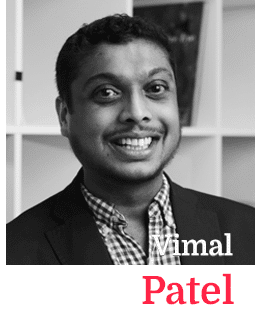 Giant Digital is a London-based, B Corp-certified agency that has spent over a decade as a passionate problem-solver for the nonprofit sector. Specialising in website design, development, and AI-driven services, the agency works side-by-side with world-changing organisations like Help for Heroes, Maggie’s, and Make-A-Wish Foundation. Since its founding in 2011, Giant Digital has focused on blending cutting-edge technology with strategic content to help ethical brands overcome hurdles and turn digital clicks into real-world action. Built on a foundation of transparency and purpose, they don’t just build platforms; they build tools for a better world.
Vimal Patel, Co-Founder at Giant Digital, brings over 18 years of experience in the digital space, combining commercial solidity with a distinct creative flair. As a leader in the B Corp movement, Vimal has become a specialist in fundraising tech and digital platforms, navigating everything from complex technical architecture to legal and hosting solutions. His deep expertise in AI and SaaS allows him to guide charities through the technological shifts of the modern era without losing sight of their human mission. In this interview, Vimal explores how digital innovation can bridge the gap between tradition and progress, and why AI’s greatest value lies in giving time back to those making a difference on the front lines.
Vim, thank you for joining us. You’ve spent much of your professional journey in England. How has being based there—and particularly within the UK’s tech and nonprofit ecosystem—shaped your perspective on digital innovation for charities?
The UK has a remarkable concentration of charities doing genuinely world-changing work, often with surprisingly modest resources. That reality shapes everything we do. You can’t work alongside these organisations without developing a deep respect for how much impact is possible when digital is done thoughtfully.
What’s distinctive about the UK charities is the blend of tradition and progressiveness. Charities here have centuries of heritage, but they’re also increasingly hungry to modernise. Being based here means we see daily how digital can bridge that gap, preserving the human connection that makes charity work meaningful while dramatically extending reach and efficiency.
There’s also something about the collaborative spirit in this sector. Charities talk to each other, share what’s working, and there’s less of the competitive siloing you might see elsewhere. That’s been invaluable for us in understanding what genuinely drives impact across different types of organisations.
London is often described as one of the world’s most diverse and forward-thinking digital hubs. What influence has the city had on your work at Giant Digital, and why do you think it continues to be such a powerful catalyst for organisations doing social good?
London sits at a crossroads of talent, technology, and purpose. You’ve got world-class tech expertise, a thriving startup culture, and some of the most innovative charities on the planet, all within reach. That concentration creates real momentum.
For us practically, it means access to brilliant people who want their skills to mean something beyond commercial metrics. We attend regular events in London bringing together charity leaders, technologists, and strategists, and the conversations that happen are genuinely exciting. People are sharing ideas, challenging assumptions, and pushing each other forward.
London’s diversity matters too. When you’re building digital experiences for charities serving hugely varied communities, being surrounded by different perspectives and lived experiences keeps you honest about accessibility and inclusion. It’s harder to create something in a bubble when your city constantly reminds you how many different ways people experience the world.
Giant Digital has been working with charities and purpose-driven organisations for over a decade. What originally motivated you to build a digital agency specifically focused on the nonprofit sector?
It came down to wanting the work to mean something beyond a transaction.
I’d spent years in digital working across various sectors, and while the technical challenges were interesting, I kept finding myself most energised by projects where the outcome genuinely mattered to people’s lives. When you help a commercial client convert more sales, that’s fine, but when you help a charity reach someone who needs support, or inspire a donation that funds vital work, that feels fundamentally different.
My experience as a charity Trustee deepened that conviction. Sitting on the other side of the table, I saw how much passion and purpose drives these organisations, and how much potential there was for digital to amplify their impact. I wanted to be part of that.
Every project we take on at Giant Digital connects to a mission we believe in. That’s not something you can say when you’re building websites for any client who walks through the door. It shapes the culture of the team, the relationships we build, and honestly, it makes Monday mornings a lot easier.
Your team has deep experience spanning technology, strategy, creativity, and social impact. How has this multidisciplinary mindset shaped your approach to helping charities embrace digital transformation?
Our team spans strategy, technology, creative, and development, but what matters most is that everyone genuinely cares about impact. Technical excellence without strategic clarity is just expensive tinkering. Beautiful design that nobody can use is self-indulgent. You need the whole picture.
In practice, this means we start every project by understanding the mission, not the technology. What’s the actual change you’re trying to create? Who needs to be reached, and what barriers exist? Only then do we figure out what combination of skills will get you there.
For charities, this approach is particularly valuable because they often come to us knowing something needs to change but not always knowing exactly what. They might think they need a new website when actually they also need a donor journey rethink. Or they’re convinced AI is the answer before they’ve clarified the question. Having strategists, technologists, and creatives in the same room means we can explore options together rather than prescribing solutions prematurely.
The charity sector is undergoing significant technological change. Would you say nonprofits are currently cautious, curious, or ambitious when it comes to innovation?
I’d say all three, often simultaneously – and that’s actually healthy. The sector has matured significantly in how it thinks about technology.
Curiosity is definitely high. Almost every charity leader we speak with wants to understand what AI and other innovations can do for them. They’re reading articles, attending webinars, asking questions. That appetite for learning is genuinely encouraging.
Ambition varies more by organisation. Some are ready to completely reimagine how they operate digitally. Others are more measured, preferring incremental improvements. Both approaches can work, what matters is aligning ambition with capacity.
Caution is still present, but it’s increasingly informed caution rather than blanket resistance. Charities are asking smart questions about ethics, data privacy, and sustainability. They’re thinking about what happens when technology goes wrong, not just when it succeeds. That thoughtfulness should be celebrated, not criticised. The sector serves vulnerable people; careful consideration of risk is responsible.
AI is redefining how organisations communicate, operate, and deliver services. What do you see as the most exciting opportunities for charities adopting AI—whether in fundraising, personalisation, or operational efficiency?
The opportunities that genuinely excite me are the ones that give time back to people making a difference every day.
Fundraising personalisation is an obvious win. AI can help charities understand supporter preferences and tailor communications so people receive content that actually resonates with them. Done well, this isn’t surveillance, it’s respectful recognition that your donors are individuals with different interests and giving patterns.
Grant writing and content creation are areas where charities often struggle with capacity. AI can help draft initial applications, suggest improvements, or generate first-pass content that humans then refine. The hours saved can go directly toward mission delivery.
But the opportunity I find most compelling is predictive insight. Imagine knowing which service users might need additional support before they reach crisis point. Or understanding which donors might be drifting away in time to re-engage them. AI makes these patterns visible in ways that were previously impossible for resource-stretched organisations.
At the same time, there are hurdles. What are the biggest internal barriers preventing charities from implementing AI successfully—budget, knowledge gaps, policy concerns, or cultural resistance?
The research is clear: knowledge gaps and strategic clarity are the biggest obstacles. Around three-quarters of nonprofits still don’t have a formal AI strategy, and many report that nobody in their organisation feels properly educated about AI.
Budget matters, certainly – smaller charities with limited resources understandably worry about costs. But I’d argue the knowledge gap is actually more constraining. There are increasingly affordable AI tools available; the challenge is knowing which ones fit your needs and how to implement them responsibly.
Cultural factors play a role too. Some teams worry AI will replace jobs rather than enhance them. Others have leadership who don’t yet see digital as strategic priority. Breaking through those mindsets requires demonstration, not just argument. When people see AI making their colleagues’ work easier and more effective, resistance tends to fade.
The governance gap concerns me most. So many organisations are experimenting with AI without policies guiding its use. That’s a recipe for problems – ethical missteps, data breaches, or simply wasted investment in tools that don’t align with organisational values.
Data ethics and responsible AI use are hot topics in the nonprofit space. How can charities ensure they innovate without compromising trust, especially when supporting vulnerable groups?
Trust is non-negotiable for charities. Once lost, it’s incredibly difficult to rebuild. So this question really matters.
Start with clear policies. Before deploying any AI tool, establish guidelines for how data will be used, what decisions AI can and can’t make, and how human oversight will work. Document these clearly so supporters and service users understand your approach.
Involve communities in design. The best AI solutions for vulnerable groups are built with those groups, not for them. Seek feedback early and often. Test assumptions. Be genuinely open to hearing that your clever technology might not actually be serving people in the way you originally intended, and learn from it.
Be transparent about AI use. If a chatbot is answering queries, tell people. If AI is helping personalise communications, explain why. Most people are fine with thoughtful AI use; what destroys trust is discovering it was happening secretly.
Finally, maintain meaningful human oversight for sensitive decisions. AI can surface patterns and suggestions, but decisions affecting vulnerable people should involve humans who can exercise judgment, empathy, and accountability.
With limited resources, charities must make technology choices carefully. What practical steps can help them adopt AI while remaining mission-focused and financially sustainable?
Start small and specific. Don’t try to transform everything at once. Identify one process that’s currently painful – maybe it’s drafting newsletter content, or analysing survey responses, or handling routine enquiries. Experiment with AI for that single challenge. Learn what works. Build confidence and capability before expanding.
Use what’s already available. Many platforms charities already pay for are adding AI capabilities. Your CRM, email marketing tool, or website platform may have AI features you’re not yet using. Explore these before investing in new solutions.
Focus on time-savings that translate to mission delivery. The strongest case for AI investment isn’t the technology itself, it’s what your team can do with the hours they get back. Frame every AI initiative in terms of impact: this will free up X hours monthly, enabling Y more service users supported or Z additional fundraising activities.
Build internal capability. Invest in training so your team can use AI tools confidently and critically. This is more sustainable than relying entirely on external expertise, and it builds organisational resilience.
Don’t chase trends. Just because other charities are doing something doesn’t mean it’s right for you. Evaluate every potential AI application against your specific mission, audience, and resources.
You’ve collaborated with organisations such as Help for Heroes, Make-A-Wish Foundation, Maggie’s, and Climate Impact Partners. What have these partnerships taught you about how mission-driven organisations view the role of technology?
The common thread across all these partnerships is that technology is never the end goal, it’s always in service of impact. These organisations don’t want impressive tech for its own sake; they want to help more people, more effectively.
That clarity of purpose shapes every decision. When we worked with Make-A-Wish on their digital platform, every feature discussion came back to: will this help us grant more wishes, more smoothly, for more children? When we’ve supported Help for Heroes, the question is always: how does this better serve veterans and their families?
What’s also striking is the appetite for genuine partnership. These organisations want agency relationships that go beyond transactional delivery. They want collaborators who understand their world, challenge their thinking, and stay invested in outcomes beyond launch day.
I’ve learned that the best charity technology projects happen when everyone in the room cares more about the mission than the technology. That alignment transforms the work.
Standing out online is increasingly difficult. How can AI-powered insights help charities cut through the noise and reach supporters more effectively?
The digital landscape is brutally competitive for attention. Charities are competing not just with each other but with every brand, influencer, and platform vying for the same eyeballs. AI can help level that playing field.
Audience understanding is the foundation. AI can analyse engagement patterns across your communications – what content resonates, when people are most receptive, which messages drive action. These insights help you stop guessing and start knowing what works for your specific supporters.
Segmentation becomes genuinely meaningful with AI. Rather than crude demographic buckets, you can identify behavioural patterns and preferences that enable truly relevant communications. The supporter who engages with impact stories gets different content than one who responds to event invitations.
Predictive capabilities help you act proactively. Identify supporters likely to lapse before they do. Recognise potential major donors before you’ve explicitly asked. Spot emerging interests in your community that you could address.
The crucial caveat: AI insights are only valuable if you act on them thoughtfully. Data without human judgment is just noise. The charities that will win aren’t those with the cleverest algorithms, they’re those who combine AI capabilities with genuine understanding of what their supporters care about.
AI is often misunderstood as just another tool rather than a strategic shift. How do you help leadership teams within charities feel confident enough to explore and implement AI-driven solutions?
Confidence comes from understanding, and understanding comes from experience – not another presentation or more slides.
We focus on practical demonstration rather than abstract promises. Show leaders what AI can actually do with their own data, their own processes, their own challenges. When a CEO sees AI draft a donor communication in their organisation’s voice in thirty seconds, the conversation shifts from “is this real?” to “how do we use this responsibly?“
We’re honest about limitations. AI isn’t magic. It makes mistakes. It requires human oversight. It won’t solve problems that are fundamentally about strategy or culture rather than technology. Leaders appreciate candour because they’ve usually been burned by overpromising vendors before.
We address fears directly. Yes, AI will change some jobs, but our experience suggests it enhances rather than replaces people. Teams who adopt AI tend to do more interesting work, not less. Being upfront about this helps people engage constructively rather than defensively.
We recommend starting with low-risk experiments. Try AI for internal processes before deploying it externally. Build confidence through safe iteration. Give teams time to learn and adapt.
Ethical organisations are held to higher scrutiny. What additional considerations do charities face when adopting AI compared to commercial businesses?
Scrutiny is higher and margins for error are smaller. Charities operate in a trust economy – supporters give because they believe in the mission and the organisation’s integrity. Any AI misstep risks not just reputational damage but erosion of the fundamental relationship that makes charity work possible.
The communities served often include vulnerable groups. AI decisions affecting service users carry ethical weight that’s different from commercial applications. Getting product recommendations wrong is annoying; getting safeguarding wrong can be devastating.
Resource constraints are more acute. Commercial businesses can experiment with AI knowing that failed initiatives are acceptable costs of innovation. Charities face harder trade-offs – every pound spent on technology is a pound not spent on direct impact. That demands more careful evaluation of AI investments.
Governance and transparency expectations are higher. Regulators, funders, and the public increasingly expect charities to demonstrate responsible technology use. Having clear policies, documented processes, and accountable oversight isn’t optional.
Values alignment matters more. Charities exist to pursue missions that are fundamentally about human flourishing. Any AI implementation that conflicts with those values – regardless of efficiency gains – is ultimately undermining the organisation’s purpose.
Looking toward the future, what AI-driven products, platforms, or behaviours do you think will define the next era of digital engagement for charities?
Conversational AI will mature significantly. We’ll see chatbots that can genuinely support service users, answer complex queries, and provide meaningful first-line interaction, freeing staff for higher-value conversations. The key is ensuring these feel helpful rather than frustrating.
Predictive engagement will become standard. Charities will routinely use AI to anticipate supporter and service user needs, enabling proactive rather than reactive communication. This shifts the relationship from transactional to genuinely supportive.
Content personalisation will deepen. Not just segmented email lists, but truly individualised digital experiences – websites that adapt to visitor interests, communications that reflect previous engagement, journeys that feel designed for you specifically.
Voice and accessibility will expand reach. AI-powered voice interfaces, real-time translation, and adaptive content will help charities serve communities they previously couldn’t reach effectively.
Integration will accelerate. The charities that thrive will have AI woven seamlessly through their operations, connecting fundraising, service delivery, communications, and operations in ways that feel coherent rather than siloed.
The behaviour that matters most? Human-AI collaboration becoming normal. Teams comfortable working with AI as a partner, knowing when to rely on it and when to override it.
For organisations just taking their first steps into AI, where should they begin—and what misconceptions should they avoid?
Begin with a problem, not a technology. “We want to use AI” is not a strategy. “We want to reduce time spent on grant applications by 40%” is. Start by identifying genuine pain points where AI might help, then explore solutions.
Experiment with accessible tools first. ChatGPT, Claude, and similar tools are free or low-cost and remarkably capable. Encourage your team to explore. Draft content, summarise reports, brainstorm ideas. Build familiarity before making bigger investments.
Develop a policy before deploying widely. Even a simple document outlining acceptable uses, data handling, and human oversight provides essential guardrails.
Misconceptions to avoid: AI isn’t magic – it requires quality data and thoughtful implementation. AI won’t replace your team – it will change what they spend time on. AI isn’t only for big organisations – smaller charities can benefit significantly from accessible tools. AI isn’t a one-time project – it’s an ongoing capability to develop and refine.
Perhaps the biggest misconception: that you need to understand AI technically to use it effectively. You don’t. You need to understand your mission clearly, ask good questions, and approach new tools with curiosity and appropriate caution.
Your agency has witnessed major shifts in digital behaviour since 2011. What new roles or competencies do you believe charities must adopt to thrive in an AI-powered world?
Digital literacy becomes foundational, not specialist. Everyone in a charity – from CEO to volunteer coordinators – needs basic comfort with digital tools and AI concepts. This doesn’t mean technical expertise; it means understanding what’s possible and asking informed questions.
Data capability is increasingly essential. Charities need people who can manage data responsibly, interpret analytics meaningfully, and translate insights into action. This might be dedicated roles or developed capabilities across existing teams.
Strategic technology thinking belongs in leadership. Boards and executive teams need members who understand how technology shapes impact and can guide investment decisions wisely.
Change management skills matter more. Implementing AI successfully requires bringing people along, managing concerns, and evolving working practices. These human skills are often more constraining than technical capabilities.
Critical evaluation becomes vital. As AI tools proliferate, the ability to assess what’s genuinely useful versus what’s hype becomes increasingly valuable. Charities need people who can cut through vendor promises and focus on what actually serves the mission.
Ethical reasoning deepens in importance. With more powerful tools come more complex decisions about appropriate use. Charities need thoughtful people who can navigate these questions with clarity and integrity.
Outside of day-to-day operations, where do you find inspiration to keep pushing digital innovation in a sector that traditionally prioritises caution over experimentation?
Honestly? From the charities themselves. When I see organisations like those we work with achieving extraordinary things, it’s impossible not to feel inspired. The creativity, the commitment, the sheer determination to make things better – that’s genuinely motivating.
I find inspiration in the gap between what’s possible and what’s currently happening. We know technology can dramatically extend charitable impact. We know most charities aren’t yet realising that potential. That gap is energising rather than discouraging – it means there’s meaningful work to do.
Being a B Corp and working with ethical organisations keeps our own purpose clear. When your business exists to help others do good, it’s easier to stay motivated through the inevitable challenges and frustrations.
And I find inspiration in small wins. The charity that used to spend days on a process now completing it in hours. The campaign that reached supporters they’d never connected with before. The donation platform that genuinely serves users rather than frustrating them. Those moments remind you why this work matters.
And finally, is there a moment or project that convinced you technology can fundamentally change the trajectory of a charity’s mission?
Our work with Help for Heroes stands out for me.
When the pandemic forced them to close rehabilitation centres and halt in-person events, they faced a genuine crisis. Their entire model of supporting veterans depended on physical presence, and suddenly that wasn’t possible. They needed to completely rethink how they delivered services digitally.
What’s been remarkable is watching that initial transformation become a springboard for ongoing innovation. What started as a response to crisis has evolved into a genuinely digital-first approach to veteran support. We’ve since built a bespoke platform that supports veterans through their recovery journey, and we’re now exploring AI together to see how it can enhance that support further.
The relationship has grown because they’ve seen what’s possible. Each project opens up new questions about how technology can extend their reach and deepen their impact. That momentum is exciting to be part of.
But what really stays with me is the human side. When a veteran struggling with the transition to civilian life can find help at 2am because the digital experience actually serves them, that’s why we do this work. Technology disappears into the background, and what’s left is someone getting the support they need at the moment they need it. That’s when you know it matters.
Vimal’s Working Preferences:
Early Bird or Night Owl?:
Night Owl. But an Early Bird too when needed.
Favourite season of the year?:
Summer. I love the sunshine and blue sky’s.
Food you can’t live without:
Cake, do I need to say any more?
Do you prefer brainstorming in groups or thinking solo first? :
Group brainstorming allows me to understand my team’s perspective on things.
Do you work best with silence, background noise, or a playlist? :
Silence.
Preferred spot in your town:
Southbank, great for food, meetings and travel
Last travel destination? :
Portugal
What's something that always makes you smile? :
My twins.
If you could be any fictional character, who would you be? :
Iron Man.
Thanks Vimal!
Learn more about Giant Digital
Follow Vimal Patel on social media:
LinkedIn
Follow Giant Digital on social media:
https://www.linkedin.com/company/giantdigital/
Agency to watch

Best in Breed since 1998. Lounge Lizard is a Digital Agency that Specializes in Brand Strategy, Website Design, Web Development, Mobile APP Development, Online Marketing, Social Media, Ecommerce, and SEOdigital experiences that move brands and businesses from now to next.
Featured agencies

134970 Views

115530 Views

109320 Views

91805 Views

88261 Views

83070 Views

74693 Views

61505 Views