From Kyiv to the world: How UX/UI design and AI drive digital innovation at DreamX
I believe that flexibility will be one of the most important skills for creative professionals.
Kyiv, July 8th, 2025
DreamX is a full-cycle UX/UI design and development company that helps businesses turn complex ideas into intuitive digital experiences. With expertise in UX audits, web and mobile app design, branding, and custom development, DreamX tailors its approach to each project’s unique goals. Since its founding in January 2022, DreamX has grown from a solo venture into a thriving studio with a portfolio spanning hundreds of projects. From startups to industry leaders in AI, ML, crypto, fintech, healthcare, and SaaS, DreamX delivers smart, elegant design solutions with impact.
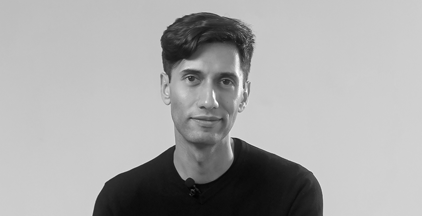
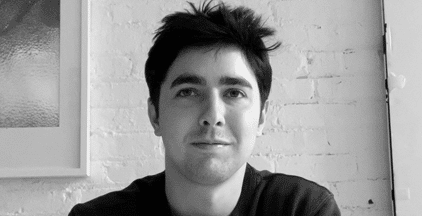
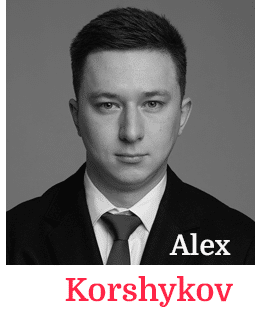
At the helm of this journey is Alexandr Korshykov, Founder and CEO of DreamX. Alex leads the company’s strategic direction, overseeing day-to-day operations while shaping the mission and culture behind the brand. What began as a personal passion for design — from creating business cards to crafting illustrations — evolved into a dynamic digital agency committed to quality, innovation, and growth. In this interview, Alex shares his perspective on leadership, creativity, and the future of digital design in an AI-powered world.
Let’s start with a bit of context. Where did you grow up, and what early experiences influenced your decision to pursue design and leadership in the digital space?
I grew up in Ukraine. I always knew I wanted to run my own business, as working for someone else never really appealed to me. I was driven by the desire to build something of my own and see the direct impact of my efforts. By the age of 20, I realized that using my mind to earn would unlock limitless potential, while working with my hands would always be a backup option. That mindset led me to the digital space.
Why UX/UI design? The answer is simple: it is a field with relatively low risk and high profitability. But it also comes with a key challenge – a strong dependency on clients.
You’re based in Kyiv. How does the city and its creative ecosystem influence your approach as a founder and leader?
Kyiv is a place of strength for me. There is a powerful concentration of talent, ambition, and at the same time, mental resilience here. This very mix pushes me, as a founder, to stay open to new approaches, experiment with collaboration formats, and learn to adapt to change – all while maintaining focus.
What does a typical day look like for you as CEO of DreamX, and how do you balance strategy, operations, and creative direction?
My typical day starts early. I wake up at 6:30 and go for a run. Running is my way to reset, gather my thoughts, and mentally walk through key tasks for the day. It helps me shift into work mode without pressure. After that, I take a shower, have breakfast, and spend a few quiet minutes without any emails, calls, or messages. I don’t start my day with other people’s demands. I start with clarity on where I am going and how I am leading the team.
Every morning, I ask myself one key question: “What are the few critical tasks I need to focus on today?” I don’t move on to anything else until those priorities are done. I also structure my week into time blocks. Strategy sessions, team meetings, and personal focus time are separated. This helps me stay focused and not spread too thin. Daily syncs with each department are a must. We go over updates, align on daily priorities, and coordinate efforts. These quick calls keep the entire team on the same page and moving in the right direction.
Delegation plays a big role, too. I see it not just as a necessity, but as a way to empower others and make space for strategic thinking and creative direction.
How would you describe DreamX’s mission and culture today?
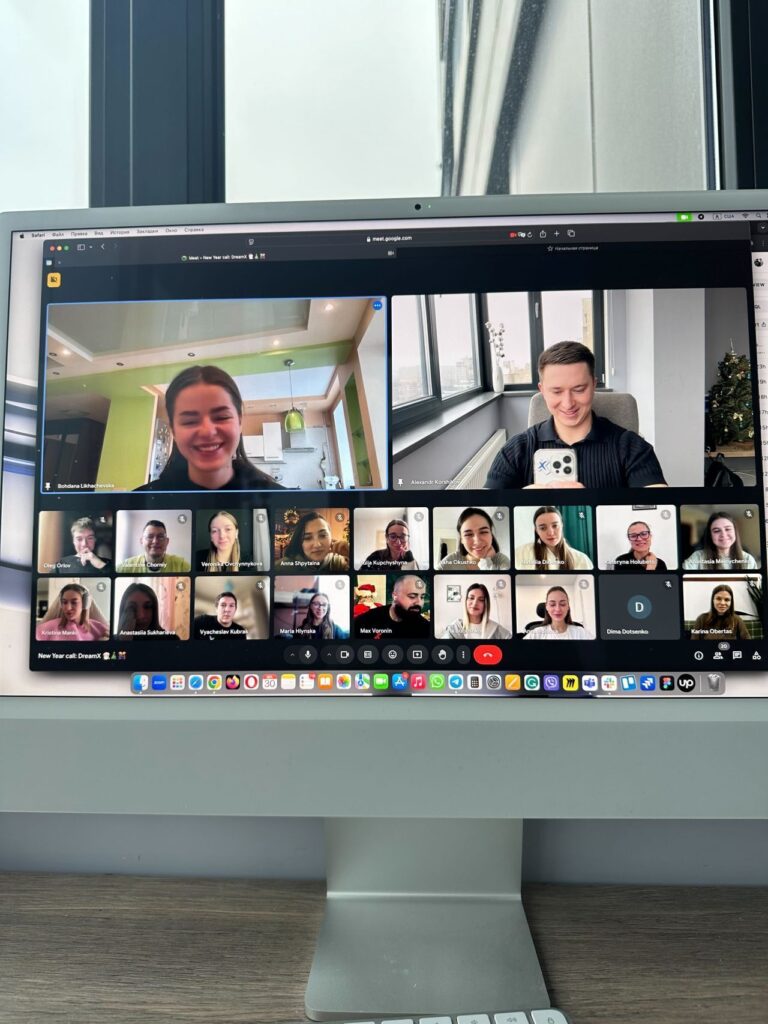
At DreamX, our mission is to provide high-quality UX/UI design services and to stand behind our work with complete confidence. If the result doesn’t meet expectations, our clients don’t have to pay. That level of accountability is part of our DNA.
Our culture is centered on people. We care deeply about both our team and our clients. We believe that when people feel supported and valued, they do their best work. That is why we are building a company where fulfilled individuals create exceptional results, and where mutual respect, growth, and transparency are part of everyday life. Certain values guide everything we do and are non-negotiable for our team. We take full responsibility for our work and deliver exactly what we promise. Communication is key for us. We involve our clients in the process and keep everything clear and open. At the same time, we remain flexible and adaptive, ready to embrace new ideas or changes along the way.
Looking at your journey, what have been some defining moments in the growth of DreamX so far?
One of the most important decisions we made was to start intentionally investing in sales channels — not just creating good design, but actively working on its distribution. The second key step was investing in our portfolio. We began carefully selecting projects that aligned with our values and could strengthen DreamX’s reputation in the international market.
What’s your take on how AI is changing the digital design and web development landscape?
AI truly opens up new horizons. It allows us to speed up routine processes, generate initial ideas, and test hypotheses. It is no longer just a trend but a tool we actively integrate into our workflows. At the same time, I see a risk: when too much is handed over to machine generation, depth can be lost. Design without context and empathy is just a collection of pixels.
As a leader, how do you approach integrating AI tools while keeping your team’s creativity and intuition at the core?
As a leader, I see AI as a powerful assistant, not a replacement. At DreamX, we actively use AI tools to analyze data, automate routine tasks, and support the development of new products. It helps us save time and generate initial ideas faster. But when it comes to making real design decisions, that responsibility stays with people. If you are creating something meaningful – a brand, a user experience that builds trust, something that actually works – you need human intuition, empathy, and context. AI can’t think like a user or understand the emotional response a design might trigger. It doesn’t grasp the nuances of a business or the subtleties of brand perception. Artificial intelligence leads to a new generation of designers who should be masterful at using AI tools and generating genuine concepts without them. That’s why I believe AI should enhance our work, not define it. It is a valuable part of the process, but it doesn’t lead — we do. And that’s what keeps creativity and strategy at the core of everything we deliver.
You’ve mentioned the new generation of designers — what qualities or mindsets do you believe they need to thrive in this industry today?
The new generation of designers needs a strong combination of both hard and soft skills. Technical expertise and creativity remain essential, but equally important are communication, adaptability, and a growth mindset. Another crucial quality is learning how to effectively use AI tools in their work. AI is no longer just a trend. It is becoming a standard part of the design process. Designers who don’t embrace AI risk falling behind, while those who integrate it thoughtfully can boost their creativity and productivity, staying competitive in a fast-changing market.
What skills or habits do you think will define successful creative professionals in the next five years?
I believe that flexibility will be one of the most important skills for creative professionals. The ability to adapt quickly to new technologies, trends, and client needs will define success. Alongside that, knowing how to use AI tools effectively will be a game-changer. These tools can speed up routine work and free up more time for creativity and strategic thinking.
When working with clients, how do you translate complex business goals into effective and intuitive digital experiences?
When working with clients, we follow a structured workflow that helps us translate complex business goals into user-friendly digital experiences. Our process consists of five key steps: research and discovery, UX design, UI design, clickable prototype, and final delivery.
Can you walk us through a recent project where your team had to solve a particularly complex design challenge?
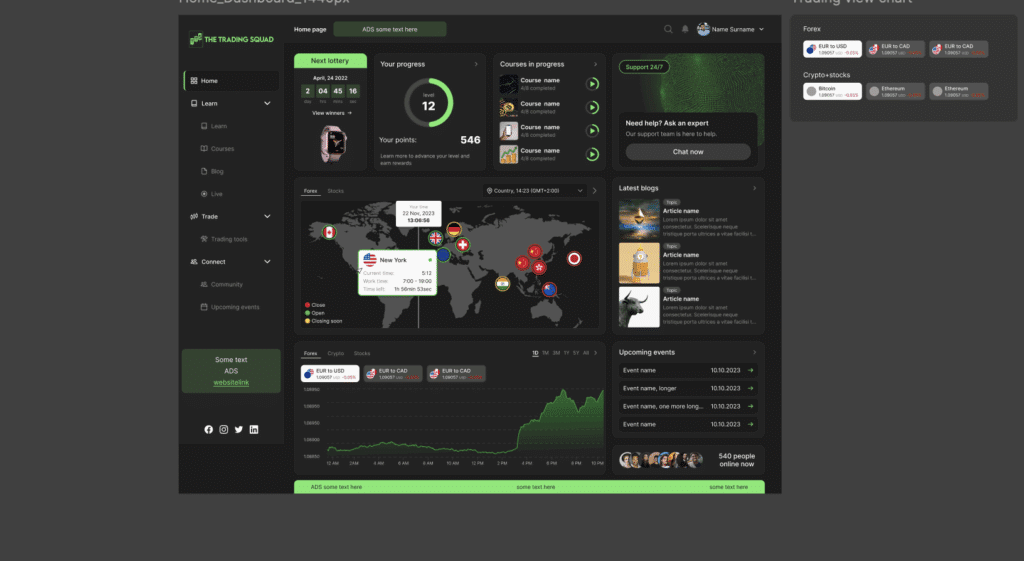
We had a case where we needed to combine five separate products into a single visual and functional system. It was complex software with completely different logic and target audiences. Finding a common style, structure, and UX solutions that would work for all of them wasn’t easy, but we succeeded. It was a serious challenge and a great team victory.
What’s one misconception you often encounter about web design, and how would you reframe it?
Many people think that web design is just about making things look “pretty.” But the reality is this: good design is about usability. It should guide the user, give them a sense of control, and save their time and nerves. Beauty is nice, but without logic and function, it loses its meaning.
How do you see the role of design evolving in an increasingly tech-led and performance-driven world?
Design has become a strategic tool. It isn’t just about “painting buttons.” It is a way to optimize interaction, shorten the user’s path to their goal, and impact business results. In a world where efficiency is valued, design is no longer decoration — it is a driver.
What kind of trends or shifts in user behaviour are you paying attention to right now?
Users want simplicity. Clean, intuitive design is not just a preference. It is a must-have. At the same time, there is a growing demand for interactivity and micro-animations.
Outside of DreamX, what keeps you inspired — whether it’s books, music, people, or habits that help you recharge?
Running is my way to unwind and gather my thoughts. Regular exercise, hobbies, taking breaks from the digital world, and spending time with loved ones all help me maintain productivity. I also listen to podcasts like Lex Fridman’s podcast and read books such as Essentialism by Greg McKeown. That book taught me a very important principle: to focus on what truly matters and let go of everything unnecessary.
What kind of news or stories grab your attention these days, professionally or personally?
On a personal level, I read analytics about the global economy and try to understand major trends. Professionally, I constantly follow the development of AI tools in the design field. The speed at which tools and approaches are transforming is truly impressive and inspires me to experiment.
Can you share a fun or unexpected fact about yourself that not many people know?
I love being in new places where no one knows me. It gives me a sense of complete freedom. It’s a special kind of silence where you can just be yourself without any outside expectations. By the way, here’s another unexpected fact — I have binoculars at home 🙂
Alex’s Working Preferences:
Early Bird or Night Owl?:
Early Bird
Usual breakfast :
No avocado toast. Most often, it is buckwheat with sausage. Simple and very homey.
Most quoted book, TV Show or movie:
Essentialism by Greg McKeown
Last place traveled
:
London
Favorite sneaker brand:
Santoni
Preferred spot in your town:
The Golden Gate in Kyiv. This place has the energy of a bit of history, a bit of chaos, and a bit of urban magic. I often walk by and catch myself thinking that this is where the heart of the city can be felt.
What makes a good day at your job? :
It is a day when there is a clear plan, I see progress on key tasks, and I feel that the team is working as one. The perfect workday is when there is focus, momentum, and real connection with people, even if everything happens online. And, of course, an espresso at 8:00 a.m.
If you could meet anyone, dead or alive, who would it be?
:
It would be Jeff Bezos. His achievements and approach to business are truly impressive. I am fascinated by the scale of his thinking and how he built Amazon. It would be interesting to talk with him about how he made decisions at critical moments, how he built a system capable of working smoothly even at such a large scale, and how he has managed to create a customer-focused culture that is both highly technological and efficient.
Agency to watch

Best in Breed since 1998. Lounge Lizard is a Digital Agency that Specializes in Brand Strategy, Website Design, Web Development, Mobile APP Development, Online Marketing, Social Media, Ecommerce, and SEOdigital experiences that move brands and businesses from now to next.
Featured agencies

134937 Views

115508 Views

109302 Views

91785 Views

88233 Views

83049 Views

74674 Views

61486 Views