“I personally believe that designers are artists”
Art directly inspires me to experiment, be resourceful, and maintain authenticity throughout the design process

Almaty, June 21st, 2023
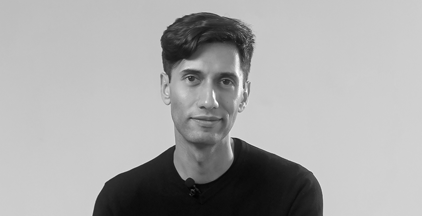
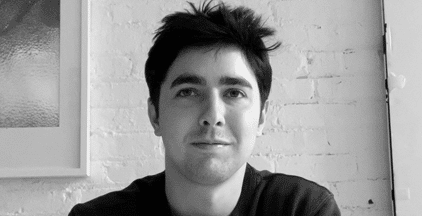
Based in Kazakhstan, Alex Tkachev is a freelance UI/UX designer working with companies and clients on a full time or contract basis. His career began in 2016, working on web and front-end development, but eventually shifted to design. He especially enjoys working on web or mobile applications and loves spending time in nature.
In an interview with TIA, Alex Tkachev discussed the relationship between art and design in his work and highlighted the importance of user research and feedback in the development of digital projects. He also went through recent projects he has worked on and listed some examples of misconceptions or stereotypes about UI/UX designers.
To kick things off, could you tell us where are you based right now and what you like about that place? What would you recommend doing to someone visiting?
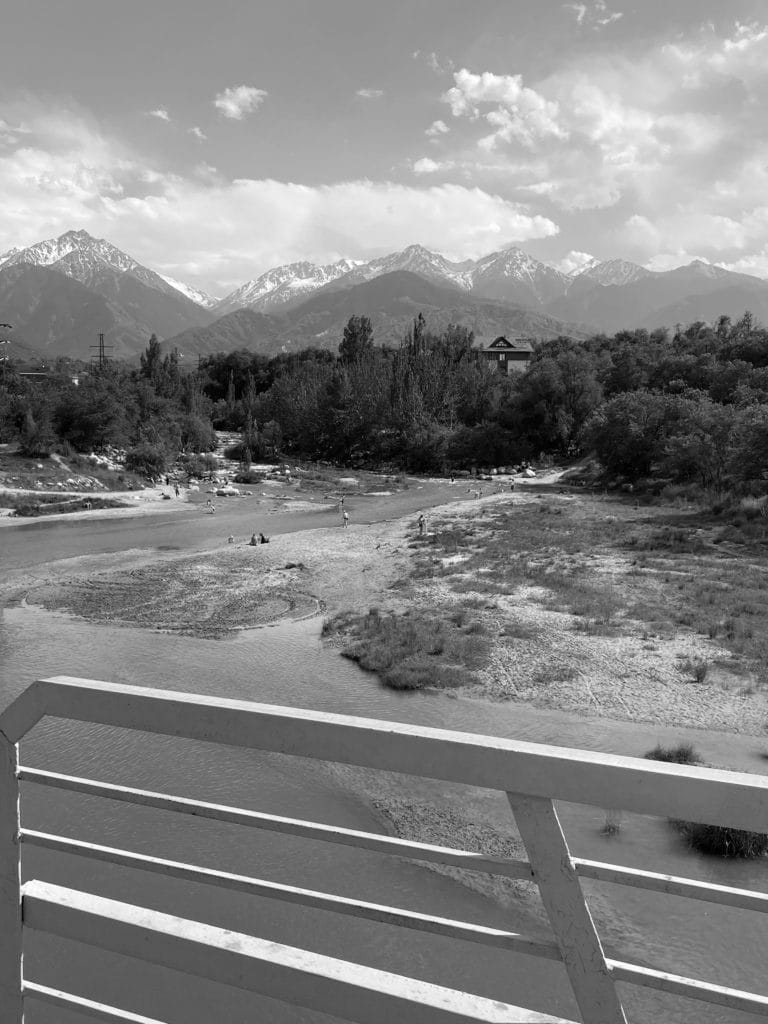
I currently live in Almaty, Kazakhstan. I absolutely love the natural beauty of this city, with its breathtaking mountains and scenic parks. One standout attraction is the Charyn Canyon, often referred to as our own “Grand Canyon.” It’s a must-visit for its stunning landscapes.
Another notable spot in Almaty is the Beatles Monument, a must-see for fans of their music. One of my personal favorites and frequently visited places is the Botanical Garden. It’s like my personal oasis where I enjoy feeding the squirrels, as they are abundant there.
For coffee and food enthusiasts, I highly recommend visiting Arbat, a bustling street that offers a wide variety of eateries and cafes. Almaty truly offers a mix of natural wonders and cultural attractions, making it an exciting destination for both locals and tourists.
For those who aren’t familiar with your career, can you provide an overview?
My career began in 2016. I was born and raised in a small town in Kazakhstan called Kyzylorda. When I enrolled in college in 2014 at the age of 15, I wasn’t sure what I wanted to do with my life. Initially, I thought my profession would be related to the railway industry.
However, I soon developed an interest in web and front-end development. I started designing simple landing pages and with some self-learning, I began attracting my first clients. I would design and develop landing pages for them, and I started earning decent money for a 16-17-year-old teenager. In 2017, I achieved 3rd place in the local web development competition in Kyzylorda (WorldSkills).
A year later, I realized that I enjoyed the creative aspect of my work more, and I made a full transition into the field of design. Since then, I have worked as a freelancer on platforms like Upwork and collaborated with both companies and clients on a full-time or contract basis. I’ve worked with notable companies and clients such as FLYR Labs, Alice Merton, Creative Mules, Dux-Soup, Ludonix, and many others.
What is a typical working day for you?
I wake up fairly early, around 6-7 am. I spend about an hour in bed to allow my body to fully awaken. I respect the old-school approach, so I prefer using a paper planner with a to-do list. Typically, I start my day by checking my email and social media to add any necessary responses or messages to my task list.
Afterwards, I have breakfast, followed by meditation and qigong practice. I recently discovered these practices to help combat panic attacks, and I engage in them both in the morning and evening. Following that, I either work on ongoing projects, have calls with clients/partners, or work on new conceptual designs. I have a great passion for cooking, so I dedicate several hours of the afternoon to it. In fact, I even have a dream of someday opening my own small restaurant.
Despite the hot weather here, I love spending time in nature, visiting parks, and being near water. Throughout the day, I also indulge in playing chess, which helps me clear my mind and shift my focus. In the evening, I love to play video games or watch YouTube shows to unwind and relax.
Can you discuss the relationship between art and design in your work?
I personally believe that designers are artists, and design, even graphic design, is a form of creativity. Art itself is a profound sphere because it can be diverse, unexpected, and astonishing. Therefore, the relationship between art and design is an integral part of my work.
Although design originates from functional and practical aspects, I always strive to give it artistic depth and aesthetic appeal. When creating a UI/UX, like any other designer, I integrate artistic elements to engage and captivate users. This can involve choosing a color palette, creating appealing graphic elements, or using emotive compositions.
Art directly inspires me to experiment, be resourceful, and maintain authenticity throughout the design process. Ultimately, I aim to achieve a balance between functionality and aesthetics, so that my designs not only fulfill their tasks effectively but also evoke positive emotions in users and create a memorable user experience.
How do you approach user research and feedback in the development of your digital experiences?
User research and feedback play a crucial role in the development of digital projects. First and foremost, I strive to understand the users, their goals, tasks, expectations, and issues related to the use of the digital product. In any UI/UX project, research, experiments, A/B tests, and other forms of interaction are important. It is crucial to put myself in the user’s shoes and ask questions of myself and the team in order to find as many solutions as possible for user interaction with the product.
Are there any specific industries or sectors that you find particularly fascinating or enjoyable to work with?
Each new project is an exciting adventure, and I would probably highlight web or mobile applications because they allow me to showcase myself as a researcher, explore users and their interactions, and work on websites that are not afraid to experiment, stand out among competitors, and offer both creativity and convenience. In general, I enjoy working with talented teams that strive to change the world through technology and the creation of new products and services. This allows me to continuously learn and apply my skills in interesting and diverse projects.
Tell us about a recent project you’ve worked on that you’re proud of. Which was the greatest challenge?
My recent project is the redesign of the website for Creative Mules, a studio owned by my good friends and partners. They did a complete rebranding and were open to new ideas. Currently, the website is still in development, but it will launch this summer. Their openness to experiments and fun ideas allowed us to create interesting solutions for many pages of the website. Of course, the 404 page will also have its own funny feature since I’m a big fan of 404 pages, and I consider them important to create almost as a priority in every new project. Actually, the project went very smoothly, and we didn’t encounter any major difficulties because the CM team and I worked cohesively and listened to each other.
What is your method to achieve a harmonious balance between aesthetics and functionality in your design work?
I try not to limit myself creatively when working on projects, at the same time, I always strive to maintain simplicity and functionality in the product. In my opinion, there are some key principles that I adhere to:
- Understanding the needs and expectations of users.
- Considering the primary goals and objectives of the project.
- Ensuring usability of the product.
- Paying attention to visual appeal.
- Collaborating closely with the team for project improvement.
Do you have a specific strategy for handling creative disagreements or conflicts that may arise with clients or team members?
Disagreements and criticism are an integral part of a designer’s life. In my personal experience, there have been times when I needed to present and justify a certain design decision. If I am presented with well-argued reasons why my solution may not work, I will come up with an alternative. As for “difficult” clients, I have encountered such situations in the early stages of my design journey. I try not to work with clients who behave in toxic ways.
Could you share any experiences where you were able to push the boundaries of traditional design practices to create innovative and engaging user experiences?
I’m working on a project called Educont, with a small team from Germany. The project is a web application for medical interns to track their training and internships. The purpose of the application is to allow interns to record their data and progress throughout their training, while also enabling their supervisors to easily monitor their performance. One of the key innovations in this project was the integration of AI to assist interns in formulating patient care plans. The AI helps interns create and customize patient care plans by suggesting and formatting appropriate content tailored to each patient’s needs. The project also has plans to incorporate AI into other areas, which means there will be ongoing innovation in the future.
Are there any misconceptions or stereotypes about UI/UX Designers that you find particularly frustrating or inaccurate?
I think one of common misconception is that UI/UX design is solely about making things look visually appealing. In reality, UI/UX design involves much more than aesthetics. It encompasses understanding user needs, conducting research, creating intuitive interfaces, and ensuring a seamless user experience. UI/UX designers combine creativity, analytical thinking, empathy, and problem-solving skills to create meaningful and user-friendly experiences.
How do you separate your personal life from your work life within the same physical space?
I had difficulties with this when I started my career, when I received a new comment with changes from a client, I immediately started implementing them at any time of day or night. However, over time and experience, I realized the importance of properly allocating time for work and personal life. The main thing is to set aside hours in your day dedicated to work. The rest of the time is for your personal life.
What are some of the challenges you face in terms of maintaining focus and avoiding distractions in your workspace, and how do you address them?
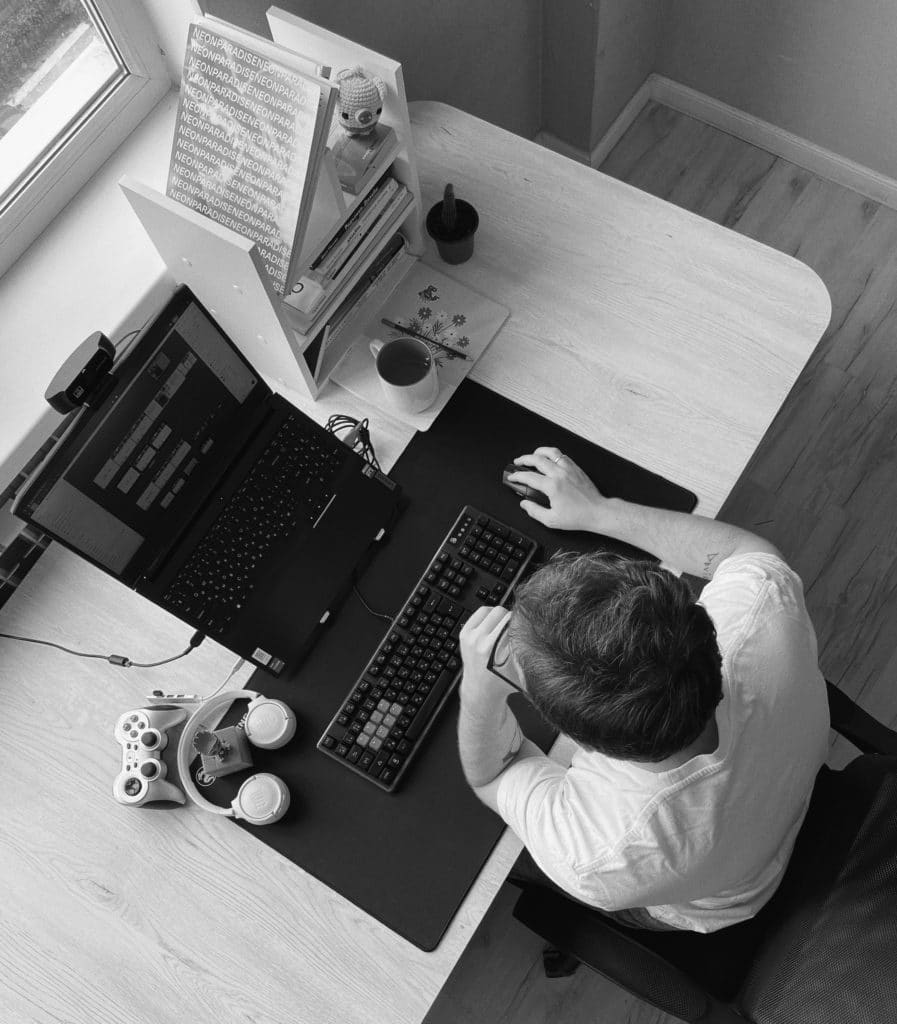
To stay focused I often meditate, and if I’m feeling very tired, I take a break or play chess. Throughout the workday, I only listen to lofi music, as regular songs can be quite distracting. It’s also important to break down big tasks into smaller ones and tackle them step by step. My favorite accessory is a Rubik’s Cube.
When it comes to building your personal brand as a freelancer, what are some key factors to consider?
In my opinion, it’s important to showcase your best work, but sometimes it’s also acceptable to show failures because they contribute to valuable experience. Don’t be afraid to experiment and explore new areas and tools that can enhance the quality of your projects. Promote yourself and make cool collaborations with other freelancers or studios.
What’s an interesting trend you’ve observed lately?
One interesting trend I’ve observed lately in design is the use of immersive and interactive experiences. Designers are increasingly focusing on creating engaging and interactive designs that captivate users and provide a more immersive experience. This trend reflects the growing desire for interactive and experiential designs that go beyond traditional static visuals and aim to create memorable and impactful user experiences.
Can you share your thoughts on using artificial intelligence in your creative work?
Of course, AI plays and will continue to play an important role in design and other fields. In my opinion, we should not be afraid that AI will replace us. I believe that we should be partners with AI, combining our efforts to achieve the best final result. In my projects, I often use ChatGPT as my main design partner. Recently, I have also discovered Clueify AI, which allows for analyzing user perceptions of design.
Looking ahead, what do you envision for the future of creative production?
I believe that creative production will continue to improve and evolve, incorporating new approaches, tools, and of course, assistance from AI. The development and integration of AI into the creative process, in my opinion, will enhance automation and workflow efficiency. It may eliminate the need for designers to be distracted by small tasks. For example, let’s say a designer has a completed project and needs to create a UI-kit. They can ask AI to handle it while they focus on something else. Designers can also request AI to generate alternative versions for their designs, exploring different compositions, fonts, and colors.
From your personal standpoint, what is the greatest challenge of our time?
Climate change, it’s high time for people to understand that we are not the owners of this planet, we are merely inhabitants who are obligated to take care of our home and value it.
What do you like doing in your free time?
As I mentioned earlier, I’m a big fan of nature. And I enjoy spending time in places away from the noise of the city and cars, feeling that connection and tranquility.
Can you name a fun-fact people would be surprised to learn about you?
It’s probably what I did before entering the web development and design industry. I used to work as a waiter, and I also worked at a fun park as a children’s ride operator. I was 15 and I was earning about $2.50 a day, working 5 hours a day.
Alex’s Working Preferences:
Early Bird or Night Owl?:
Early Bird
Favourite type of cuisine:
It's definitely Kazakh cuisine
Most quoted book, TV Show or movie:
Guardians of the Galaxy Vol. 3. Damn, it was really cool. The Office (classic), and I'm also reading "The 48 Laws of Power"
Next travel destiny in your list:
Italy, my biggest dream
Favorite type of weather:
Rainy
Favorite design tool:
Figma
Preferred spot in your town:
Botanical Garden
If you could have any superpower, what would it be?:
I’d like to be able to fly, like Superman :)
What is your favorite outdoor activity?:
Enjoying the sounds of nature, bird songs, and the sound of squirrels eating nuts
What is something on your bucket list that you haven't done yet?:
Opening my own design studio
Agency to watch

Best in Breed since 1998. Lounge Lizard is a Digital Agency that Specializes in Brand Strategy, Website Design, Web Development, Mobile APP Development, Online Marketing, Social Media, Ecommerce, and SEOdigital experiences that move brands and businesses from now to next.
Featured agencies

134970 Views

115530 Views

109320 Views

91805 Views

88261 Views

83070 Views

74693 Views

61505 Views