A brand refresh is about evolving while staying true to its core
Storytelling is key to shaping a brand’s identity because it creates emotional connections, builds trust, and makes a brand more memorable
 Copenhagen, March 20th, 2025
Granyon is a creative agency recognized for its human-centered approach to brand design. Specializing in brand identity and digital solutions, Granyon collaborates with clients to create story-driven designs that resonate with real people and evoke genuine emotions. The agency emphasizes craftsmanship, ensuring each project has a meaningful impact while delivering timeless and strategic results. By focusing on authenticity and emotional connections, Granyon has become a leader in the design industry, delivering high-quality and purposeful work that stays true to the brand’s core values.
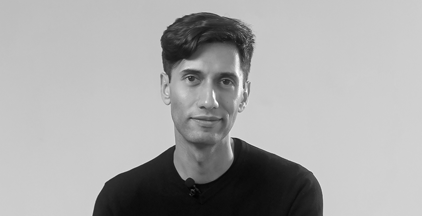
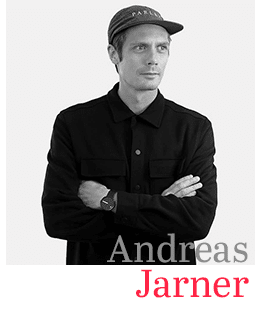
Andreas Jarner, Head of Brand Design at Granyon, brings over a decade of experience in the field of graphic design. After studying at DMJX, Andreas has worked with notable agencies such as Rumfang and AM Copenhagen, contributing to various industries through his expertise in brand identity and design strategy. His passion for design is evident in his work, which spans from small-scale art projects to large corporate identities.In an interview with TIA, Andreas shares his journey, insights into the role of storytelling in design, and how emerging technologies like AI are shaping the future of brand identity.
We’re excited to have you here, Andreas. Let’s start with a personal touch — Can you tell us about where you live now?
I live in Copenhagen, where I live with my wife and our daughter. I have lived in Copenhagen more or less my whole life. Copenhagen is a wonderful city; it has a manageable size where you can bike everywhere, while also offering plenty of cultural experiences and cozy green spaces. However, for the past few years, my family and I have been living and working from Seoul and Tokyo for 3-4 months each year. We have a great love for Korea and Japan and gain a lot of inspiration from these longer trips. If you have never been to Copenhagen, come in the summer when the city truly shows itself at its best. There are coffee and wine bars in all varieties, even for the most experienced connoisseur. You’ll also find plenty of exciting galleries and museums, as well as a vibrant and growing food and nightlife scene.
For those who aren’t familiar with your background, can you provide an overview?
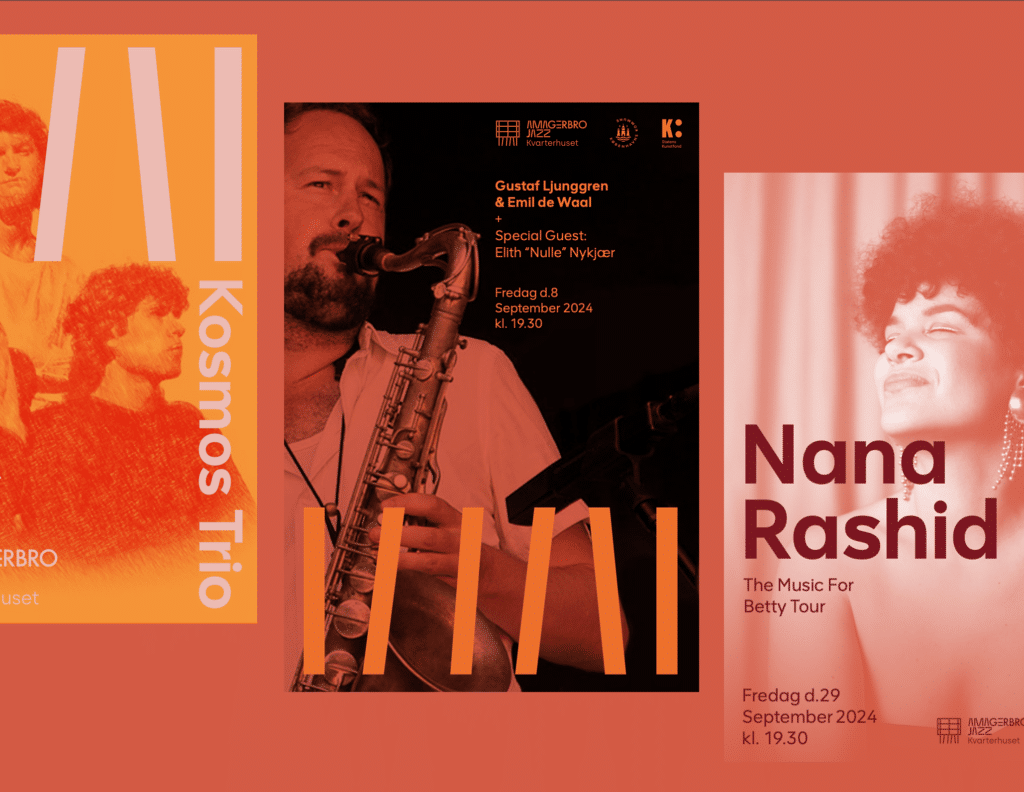
I graduated as a Graphic Designer from DMJX (formerly Den Grafiske Højskole) in 2013 and have worked since as a Brand Designer at Rumfang (Idna Group), AM Copenhagen, and for the past five years at Granyon. Besides working as a Graphic Designer, I have been creating my own art projects, including a series of poster collections www.friendsoffriends.com/profiles/andreas-jarner/ . I have also been DJ’ing for several years as the one part of Buch & Jarner. Last but probably most relevant at the moment, I have been running a natural wine import company called De andre vin (www.deandre-vin.dk) with a good friend for the past three years.
Where do you spend most of your time, and what does a typical day entail?
Every morning I drop off my daughter in school and then I work at the Granyon office at Nørrebro in Copenhagen until late afternoon where I bike home and have dinner with my family. Besides being at work and spending time at home with my family, I spend quite a bit of time with friends, where we enjoy chess, wine, running, art, and nights out.
What makes Granyon stand out?
I don’t know if it makes us stand out in particular, but we care deeply about craftsmanship and having a human-centered approach, making story-driven design, and focus on meaningful impact. We work closely with clients to develop branding and websites that resonates with real people and real emotions, and our goal is to design a positive difference.
What are your main focuses at the moment?
Work-wise, my focus is on a large Danish website and identity project that needs to be completed by summer—it requires a lot of time and dedication. On a personal level, I’m trying to live a bit healthier lifestyle, which isn’t always easy when you’re a wine importer and have unusually thirsty friends! 🙂
Can you tell us about your role as Head Of Brand Design at Granyon and what that entails?
I attend all meetings with clients who need work done related to their CVI or other design tasks. I’m the one the client meet at the beginning, the one presenting to them throughout the process, and together with the Creative Director Jesper we are responsible for the design quality of everything that comes out of Granyon. We usually call it the “design police” internally, though that might have a slightly negative ring to it… The idea is simply that, together with the web designer and anyone else involved in the project, I ensure that the agreed-upon visual identity is upheld and that everything is exactly as it should be design-wise. But for me, a project could easily start with an initial conversation with the client, possibly a workshop, and then presenting a series of mood boards. After that, I would then begin creating 2-3 stylescapes, also known as design directions. With feedback from this stage, I should normally be well-prepared to present the client with a final design. From there, revision rounds will often follow, along with the final design manual and any additional elements needed for the project.
What inspired you to become an advocate for brand design?
Ever since I was in elementary school, I have found design and brand design exciting. How do you reach your target audience visually? Where will you be in three or five years? How can you create something that truly stands out in a society where people are already bombarded with information and visual impressions? Or do you even want to stand out? I’ve created identities and designs for everything from secret ‘problem solvers’ who didn’t want their name or phone number anywhere, to the Metro company in Copenhagen – where the target audience is everyone in the city. From wealthy couples willing to spend large sums on designing their wedding invitations to all kinds of entrepreneurs with strong ideas and concepts they want to bring into the world. In the end, design it’s just a tool, just like communication, tone of voice, etc. But it’s a powerful tool.
What do you believe are the key ingredients for building a strong and memorable brand?
A strong and memorable brand is built on a clear purpose, authenticity, and emotional connection. A unique identity, compelling storytelling, and consistent messaging make it stand out. Trust grows when brands stay true to their values and put customers at the center. A strong visual and verbal identity, combined with consistency across all touchpoints, ensures lasting impact.
When working with clients on brand design, how do you ensure that the brand’s vision is effectively translated into the final design?
We work very strategically and maintain ongoing contact and presentations with the client. We often have multiple initial discussions and workshops where we ask a ton of questions—we want to get to know the client as well as possible. In addition, we sometimes use focus groups, target audience interviews, and similar methods to ensure we reach the right people, rather than just making a board of directors happy.
How do you approach the process of making a brand refresh? Could you share some key steps or considerations?
A brand refresh is about evolving while staying true to its core. We start with research—analyzing the brand, audience, and market. Then, we refine the strategy, ensuring clarity in purpose and positioning. Visual and verbal elements are updated to stay fresh yet recognizable. Testing helps validate changes, and finally, we ensure a smooth rollout across all touchpoints. The goal is a refreshed brand that feels relevant, timeless (or trendy, that depends) and connects deeply with its audience.
Could you share a project where brand design played a central role in transforming a company or product?
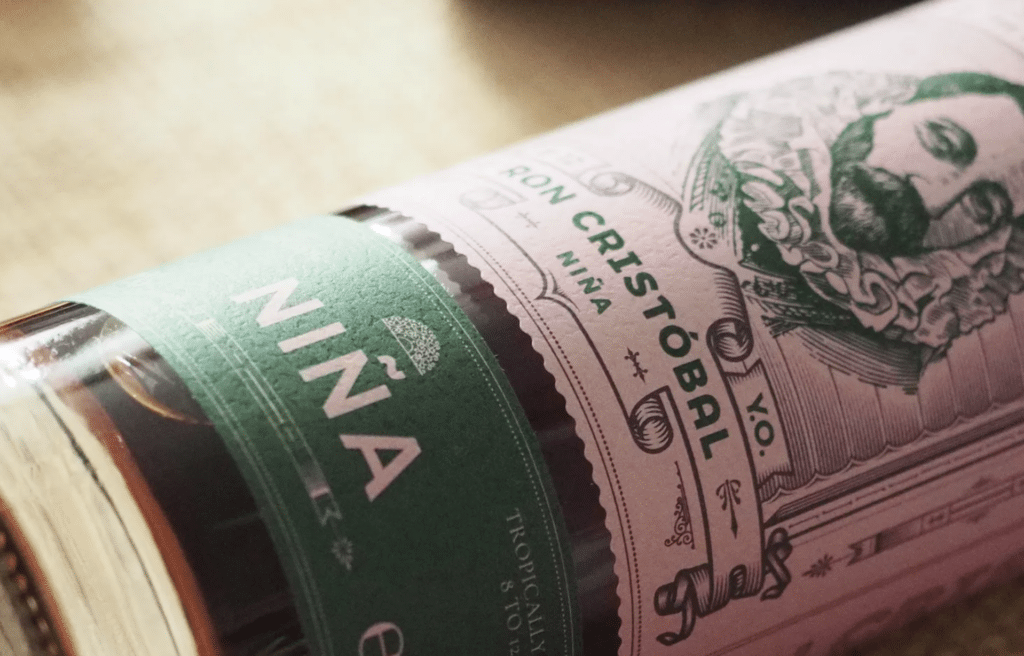
I’d almost say it’s easier to list the companies where design hasn’t played a role in establishing the brand and staying relevant in the market. From major fashion brands to restaurants, car manufacturers, travel companies, cafés, art museums, etc. — design is always a key factor. Even though I’m not too keen on highlighting an American brand at the moment, I guess most people are familiar with Burger King and both their old and new branding, so it might be an easy example to relate to. Before their brand refresh in 2021, Burger King felt outdated visually, and the brand had started to drift in different directions, losing its key story. The updated identity managed to revive emotions – good ones again. There’s something cozy and nostalgic about the 60s-70s-inspired logo and the new custom typeface. Combined with the playful and quirky illustrations, motion graphics, and the refreshed color palette, Burger King suddenly repositioned itself as both cool, historic and fresh again. And most importantly, the new identity visually unified the brand.
Are there any specific industries or sectors that you find particularly fascinating or enjoyable to work with?
For me, I don’t think it’s so much about specific industries or fields, but I love the part of being a designer where I gather a lot of information from clients to understand them and be able to translate it visually. I gain so much insider knowledge and so much information about core values, products, visions, missions, goals and so on every time we start a collaboration with a new client – and I find that incredibly exciting. I’ve learned so much about so many quirky and fun areas that I never thought I would ever come across in my life.
How is Artificial Intelligence (AI) integrated into your brand design process, and what role does it play in ensuring a seamless user experience?
We use AI as if we had a really skilled and really fast intern (or maybe actually five of them). We use AI in the research phase, to assist with photo/video to the extent that AI can, and in situations where it doesn’t make sense to use a photographer or videographer. We also use AI to read a lot quickly and give us answers to things that we previously had to spend time finding before we could move forward. But we definitely still believe there is a need for real creative people – we just see AI as a valuable tool, and we’re excited to follow the development the next years!
How do you see the role of storytelling in shaping a brand’s identity?
Storytelling is key to shaping a brand’s identity because it creates emotional connections, builds trust, and makes a brand more memorable. A strong narrative goes beyond products – it communicates values, purpose, and authenticity. In a crowded market, compelling stories help brands stand out and foster loyalty by making them feel more human and relatable.
In your opinion, what’s the most common misconception about brand design, and how do you address it?
One common misconception about brand design is that it’s just about creating a logo and some colors 🙂 In reality, brand design is much more—it’s about crafting a cohesive identity that reflects a brand’s values, personality, and message across all touchpoints. To address this, I emphasize the strategic foundation behind design choices. A strong brand identity often includes typography, illustrations, picture style, icons, layout systems, a color system, tone of voice, motion graphics, several logos for different use, user experience, etc… all working together to create a lasting impression. Good design is not just about aesthetics; it’s about storytelling, consistency, and most of all emotional connection with the desired target audience.
Looking ahead, what trends do you see shaping the future of brand design?
Looking ahead, several key trends will shape the future of brand design. Personalization and authenticity will be more important than ever, as brands seek to create deeper connections with their audiences. AI-driven design tools will streamline workflows, but human creativity will remain essential for crafting unique and meaningful brand identities.
Flexible and dynamic branding will continue to rise, allowing brands to adapt seamlessly across digital and physical platforms. Sustainability and ethical design will also play a bigger role is my guess, with brands focusing on transparency and purpose-driven storytelling.
Which aspect of your work puts a smile on your face?
When I get a strong, defining idea for a CVI or when I’m deep into perfecting a logo or icon in Illustrator until it finally clicks into place…
If you could preserve one element of today’s design world in a time capsule for future designers, what would it be?
Keep designing for humans, not just algorithms!
Andreas’s Working Preferences:
Early Bird or Night Owl?:
Early Bird
Food you can’t live without:
Sushi
Next travel destiny in your list:
Istanbul
Favorite sneaker brand:
New Balance (I know, super boring)
Preferred spot in your town:
There are so many, but right now Buzio Taberna or the small but cozy Grand Joanne rooftop
Favorite video or mobile game:
Chess.com
What makes a good day at work?:
Great ideas, bold clients – and maybe a small glass of wine in the afternoon :)
Agency to watch

Best in Breed since 1998. Lounge Lizard is a Digital Agency that Specializes in Brand Strategy, Website Design, Web Development, Mobile APP Development, Online Marketing, Social Media, Ecommerce, and SEOdigital experiences that move brands and businesses from now to next.
Featured agencies

134953 Views

115516 Views

109311 Views

91793 Views

88245 Views

83056 Views

74681 Views

61494 Views