“We Don’t Build One-Off Screens; We Build Lego Kits” — How André Oliveira Designs for Scalability at Sixfold
If your interface feels like everyone else’s, you’ve already lost
Lisbon, 20th October 2025
 Founded in 2017, Sixfold studio is a digital experience agency that helps brands grow through seamless UX/UI design, strategic branding, and scalable web development. With a strong focus on user-centric design and data-driven innovation, the agency partners with global brands, fintech companies, and startups to transform complex ideas into intuitive, high-performance digital products. From e-commerce platforms to custom-built interfaces, Sixfold blends creativity, strategy, and technology to deliver results that are both beautiful and functional.
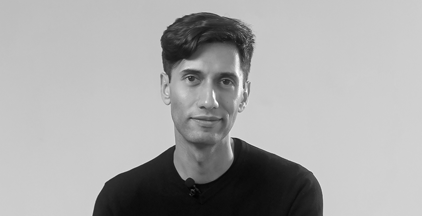
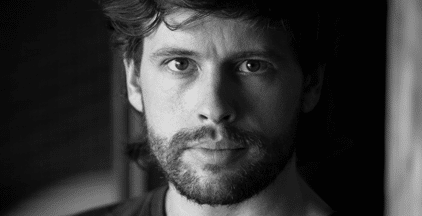
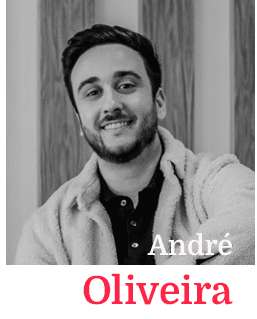
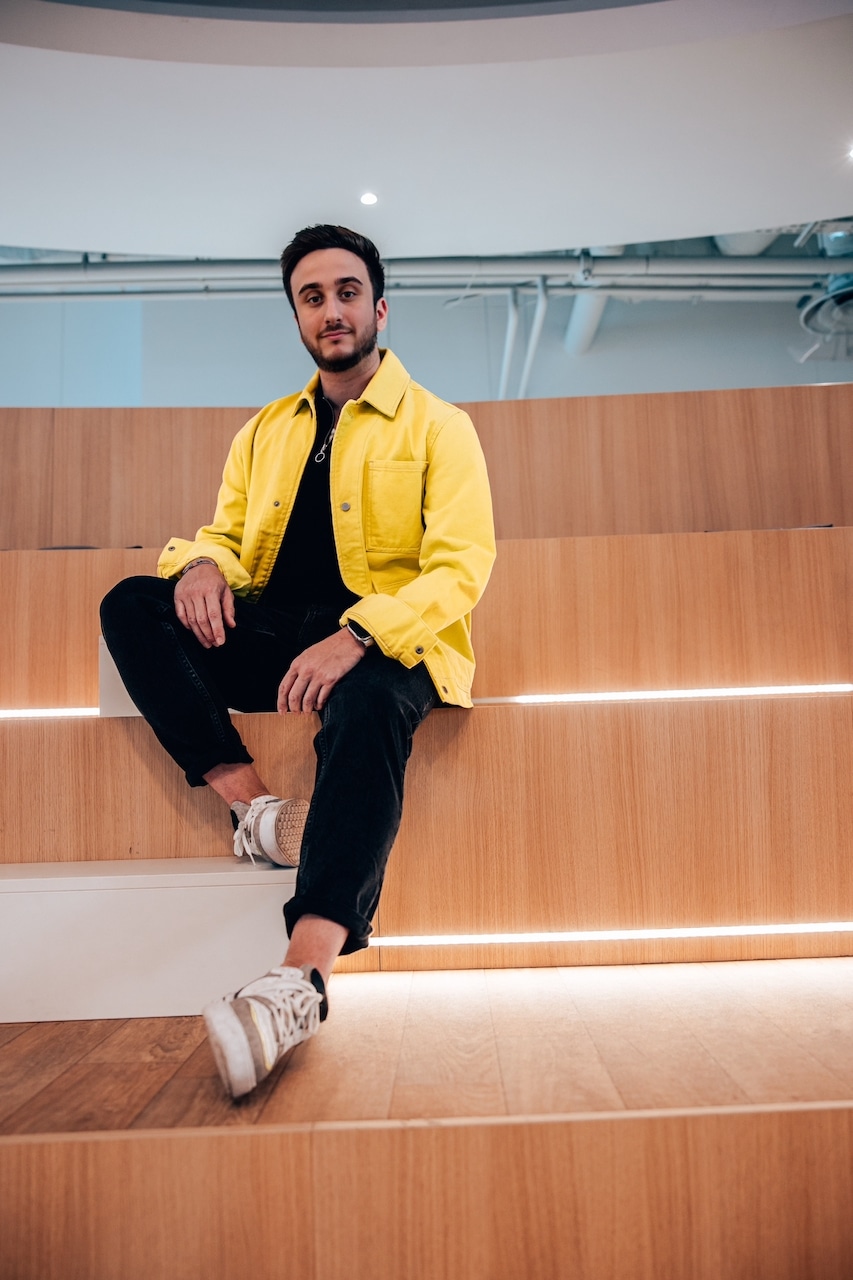
At the heart of Sixfold’s digital practice is André Oliveira, a Lisbon-born UX/UI Designer and Head of Digital Experience with over a decade of experience. Passionate about creating engaging, human-centered interfaces, André has led more than 100 projects spanning intuitive product design and effective digital marketing. As he puts it, “Great UX today is basically to stop wasting people’s time.” With a background that combines design, entrepreneurship, and a love for travel and technology, André brings a distinctive energy to every project—balancing simplicity and scalability with a sharp eye for storytelling and soul.
Hi André, it’s great to have you with us. You were born and still live in Lisbon — how has the city shaped your creative outlook, and what role does local culture play in your approach to digital experience design?
Lisbon is a paradox in HD. It’s tiled walls, fado, and sunlight that looks like it’s been Photoshopped — yet at the same time it’s startups, Web Summit, and an explosion of tech culture. That tension shaped me: tradition forces you to respect the essence of things, while innovation keeps you restless. My design outlook comes from that mix — honoring authenticity but always with one eye on “what’s next.”
If a friend from abroad were visiting Portugal for the first time, what local experiences would you absolutely recommend they try?
First rule: don’t leave without eating a pastel de nata — preferably still hot, with powdered sugar all over your shirt. Then I’d say: get lost in Lisbon’s hills, let Sintra mess with your sense of reality (it looks like a Wes Anderson set), and drive down to the Alentejo coast for beaches that look like they bribed nature itself.
How do you typically structure your workday or week to manage both business and personal demands?
I treat my calendar like UX. Declutter, prioritize, and design for flow. Mornings are for strategy and client talks, afternoons for deep creative work. And somewhere in between I sneak in a walk to remember there’s life beyond Figma and Slack notifications.
As Head of Digital Experience at Sixfold, how do you define what makes a truly great UX/UI experience today — especially in a time when expectations are high and attention spans are shrinking?
Great UX today is basically to stop wasting people’s time. Attention spans are short, expectations are sky-high. So the experience must be fast, obvious, and frictionless — but also branded, emotional, and memorable. If your interface feels like everyone else’s, you’ve already lost.
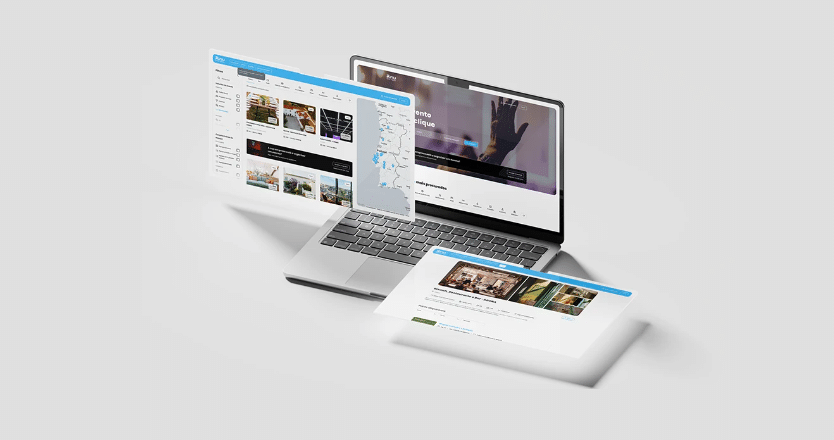
Let’s talk about Rinu.pt. What were some of the UX/UI challenges involved in designing both the partner platform and the public site, and how did you go about creating something that feels both seamless and engaging?
Rinu was tricky because we had to design for two very different audiences: partners on one side, the public on the other. Think of it as creating both a backstage dashboard and a red-carpet experience. Our solution was a design system that adapts seamlessly — consistency across both worlds, but with enough personality to keep users engaged.
Your team also worked on Erakulis.com, designing both static and motion content for social media. What’s your process when translating a brand’s identity into content that feels native to different digital platforms?
Translating a brand into social content is like translating poetry — if you go literal, it’s dead on arrival. For Erakulis, we first dissected the brand’s DNA: what does it feel like, not just what it looks like. Then we built a “visual dialect” for each platform. Instagram reels? That’s the energetic cousin who speaks fast and loves motion. Static posts? That’s the classy sibling who knows how to make a statement with just one line. The trick is not forcing the brand to adapt, but letting it shapeshift — same soul, different outfits, always recognizable.
Scalability and future-proofing are core principles at Sixfold. From a UX/UI perspective, what does that look like in practice? Could you share examples of how you’ve baked scalability into your design systems?
We don’t build one-off screens; we build design systems like Lego kits. Reusable, modular, and scalable. Whether it’s adding new partner flows to Rinu or expanding Erakulis’ brand presence, our work ages well because we planned for tomorrow, not just today.
Many agencies talk about being user-centric, but Sixfold seems to go a step further. How do you integrate user behavior insights and data into your creative decision-making process?
We like data, but not as decoration. Analytics, usability tests, behavioral patterns — they all go into the creative blender. The end product isn’t just pretty pixels; it’s an experience grounded in how real humans click, scroll, and rage-quit.
When starting a new project, is there a particular stage in the UX/UI journey that you personally enjoy most — whether it’s research, wireframing, visual design, prototyping, or something else?
Prototyping, hands down. That’s when things stop living in theory and start breathing. It’s like the moment a band moves from rehearsing in the garage to playing their first live gig. Suddenly, it’s real.
How do you balance intuitive simplicity with brand differentiation in interface design?
Simplicity gets you through the door; differentiation makes people stay. We strip down navigation and flows, then dial up the brand through typography, micro-interactions, and motion. The result: interfaces that are easy to use but impossible to confuse with anyone else’s.
What are some common misconceptions clients have about UX/UI design when they first come to you — and how do you help them reframe their understanding?
The classic one: “Can you just make it pretty?” UX/UI isn’t window dressing — it’s business strategy disguised as design. When clients get that, their entire perspective shifts.
Collaboration is a key value at Sixfold. How do you structure internal or client-side collaboration to maintain high creativity while delivering consistent, high-quality outcomes?
We’re allergic to silos. We run workshops with clients, co-create prototypes, and internally we do critique sessions where even the intern can roast the Creative Director (nicely). It keeps quality high and egos in check.
You’ve worked with both global brands and ambitious startups. How does your UX approach shift when designing for an established brand versus building something entirely from scratch?
With startups, you’re building the rocket while flying it — speed, scrappiness, and scalability matter most. With big brands, you’re upgrading a spaceship mid-flight — respecting legacy systems while still pushing innovation. Both are fun, both require different UX mindsets.
AI is becoming an increasingly important part of digital design. How do you see it influencing the UX/UI field, and is Sixfold experimenting with AI-powered tools in your workflow?
AI is our sidekick, not our overlord. We already use it for research, concept generation, and speeding up boring tasks. But the magic is still human: taste, intuition, and storytelling. AI can suggest, but it can’t give soul.
Outside of work, what are some of your hobbies and interests?
Travel, food, tech toys, and anything that mixes design with lifestyle.
From your personal point of view, what do you see as the greatest challenge of our time?
Learning how to keep our humanity intact while technology accelerates. We’re sprinting into the future, but who’s making sure we still like what we see in the mirror?
And to wrap things up on a lighter note — what’s one fun or unexpected fact about you that most people wouldn’t guess from your job title or LinkedIn profile?
I’m borderline addicted to smart home tech. If it can be automated, I’ve probably wired it into my house already — lights, sound, coffee machine… even my toothbrush reports analytics. Basically, my apartment runs like a spaceship, and I’m just the guy pretending to be in control.
André’s Working Preferences:
Early Bird or Night Owl?:
Early Bird (with a grumpy face)
Usual breakfast:
Coffee. And more coffee.
Most quoted book, TV Show or movie:
Mad Men — because sometimes the best UX lesson comes from a guy pitching cigarettes in the 60s.
Last place traveled:
Barcelona
Favorite sneaker brand:
Adidas
Last downloaded app:
Sleep Cycle
What makes a good day at your job?:
When chaos walks in looking like fifty open tabs, and by the end of the day we’ve turned it into a clean, elegant experience that actually makes sense. Bonus points if the client says, “Wow, this is exactly what I didn’t know I needed.” That’s when I know we nailed it.
If you could solve one problem in the world, what would it be?:
Democratize access to education and digital literacy — because creativity is useless if it’s locked behind privilege.
Agency to watch

Best in Breed since 1998. Lounge Lizard is a Digital Agency that Specializes in Brand Strategy, Website Design, Web Development, Mobile APP Development, Online Marketing, Social Media, Ecommerce, and SEOdigital experiences that move brands and businesses from now to next.
Featured agencies

134953 Views

115516 Views

109311 Views

91793 Views

88245 Views

83056 Views

74681 Views

61494 Views