A peek into the future at CES in Las Vegas
CES, the largest consumer technology show on the planet, peeked into the future in its latest edition last week, displaying gadgets, gear and gimmicks from global brands and agencies. From Uber Air Taxis to robots from Samsung, CES had something to offer for everyone.
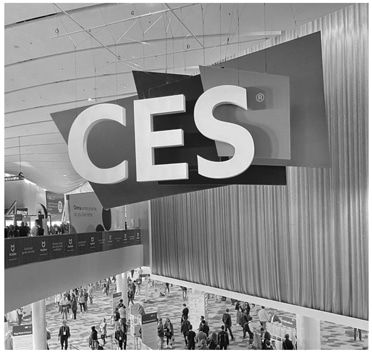
CES 2020 took place last week, gathering more than 170,000 attendees.
But despite the new developments, the hottest product was just privacy. Several of the biggest tech companies attending the show in Las Vegas are putting a special emphasis on user privacy, following years of scrutiny from regulators and consumers over the industry’s use of personal data.
Google announced that it has added two new voice commands for people to better control their privacy when using its voice assistant, while Facebook presented announced a new version of its “Privacy Checkup” tool with the goal of walking users through their key privacy settings.
This and many more topics were highlighted during panels at the show, which drew more than 170,000 attendees and 4,500 exhibiting companies to Las Vegas, including countless marketing and agency execs that have turned the show into one of the biggest networking weeks of the year.
Keynotes included presentations by Hyun-Suk Kim, President and CEO of Consumer Electronics Division at Samsung, Ola Källenius, Head of Mercedes-Benz Cars, Gary Shapiro, President and CEO of the Consumer Technology Association and Michael Kassan, CEO of Unilever.
Erin Matts, CEO of the digital agency Hearts & Science, participated in different panels, wearing at one an e-skin pajama set with built-in biometrics tracking. Edelman’s CEO Russell Dubner also moderated a panel on how brands can earn trust with an increasingly skeptical consumer base.
Meanwhile, Hill+Knowlton Strategies and McCann sent teams to CES to explore and learn from the latest developments, reporting from their social media accounts. Laurent Simon, CCO of VMLY&R, also took the stage to address the threats to the industry in the new year.
As in previous years, 5G was a big topic. But with carriers now putting higher-speed networks in market, the conversation took on more urgency. Samsung, for instance, ran presentations called “5G and vehicle to everything” that touted how 5G will enable cars to communicate with pedestrians, traffic lights and buildings.
Self-driving cars were again a topic at CES. Attendees could hail a self-driving Lyft—the company has been operating self-driving cars in Vegas since 2018 as part of a pilot program that includes humans riding shotgun as a safety measure. But auto brands at CES seemed to intent on touting how their futuristic solutions will move way beyond cars.
Hyundai, which announced its aerial rideshare network concept in partnership with Uber, showed it off at its exhibit by using VR headsets that allowed attendees to see what it would be like to summon the on-demand aircraft to take a trip from Oakland to San Francisco.
Seemingly nothing can slow the growth of social media and influencer marketing. But some CES panelists were worried it might happen, with a few bringing up the prospect of a “social recession”—the idea that marketers might get sick of shoveling ever larger piles of money into social media.
The “Internet of Things” is now officially gone. The Consumer Technology Association, which runs CES, pushed “intelligence of things” as the newest interpretation of the “IoT” buzzword. It refers to tech that anticipates your needs, beyond just connecting all your devices, cars and appliances.
In the end, the key topics addressed at CES didn’t vary much from last year. Nevertheless, it was still a change for agencies, companies and marketers to meet again, network and discuss the latest innovations for the industry for the upcoming year.
Agency to watch

Best in Breed since 1998. Lounge Lizard is a Digital Agency that Specializes in Brand Strategy, Website Design, Web Development, Mobile APP Development, Online Marketing, Social Media, Ecommerce, and SEOdigital experiences that move brands and businesses from now to next.
Featured agencies

135040 Views

115591 Views

109358 Views

91841 Views

88321 Views

83117 Views

74743 Views

61550 Views