VR and AR, the new frontier for the marketing industry
September 8th, 2020
Virtual reality (VR) and augmented reality (AR) are garnering intense interest in their possibilities for marketing, gaming, brand development, and entertainment. VR is a computer-generated simulation of an alternate world or reality, while AR combines the physical world with computer-generated virtual elements.
With an international approach, the VR/AR Association works to foster collaboration between innovative companies and brands in the VR and AR ecosystem that accelerates growth, fosters research and education, helps develop industry standards, connects member organizations and promotes the services of member companies.
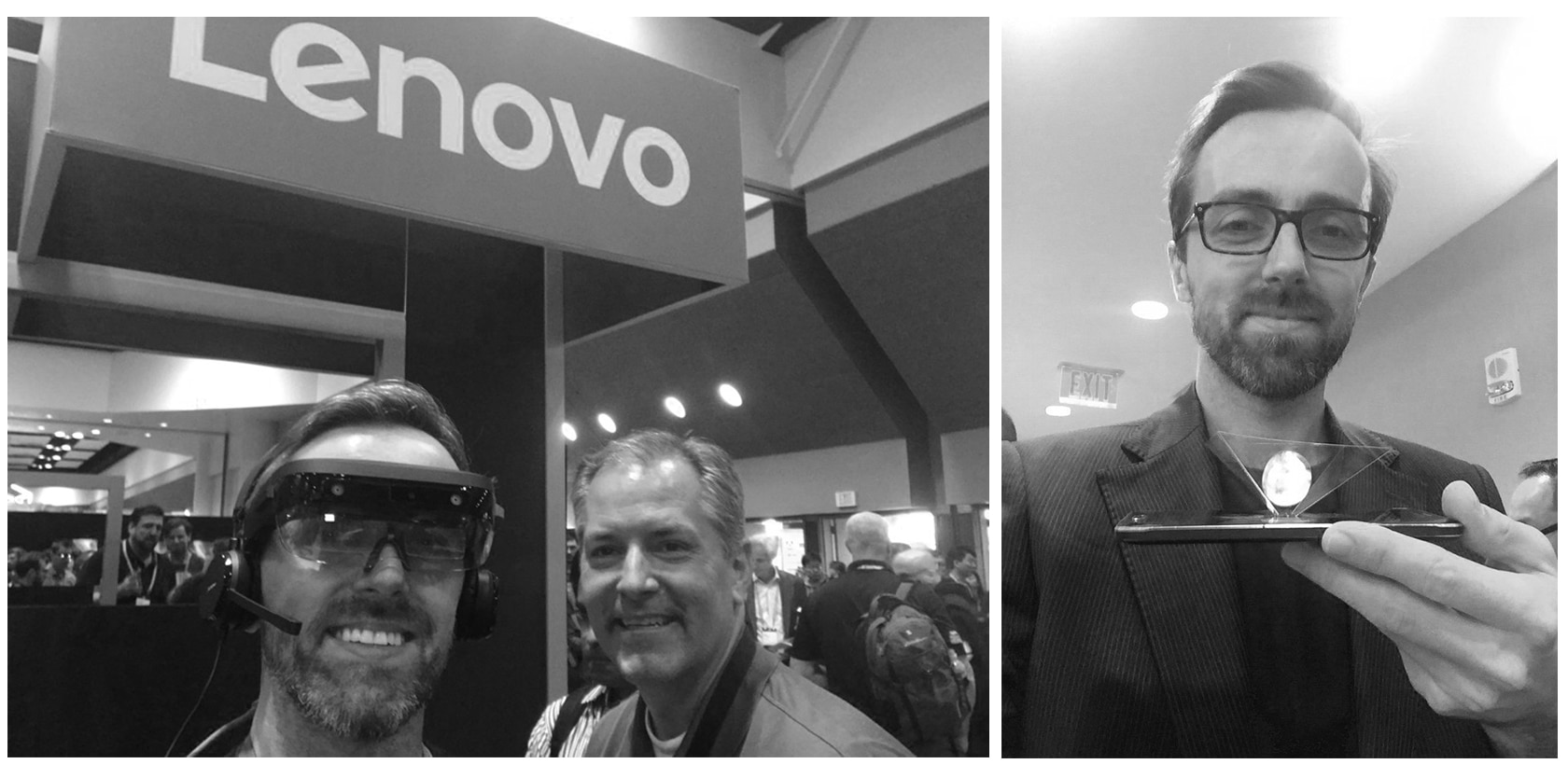
The association is focused on creating a member community of not only VR and AR solution providers and content creators, but also having a large percentage of members being the brands and customers of VR and AR. This serves to accelerate networking, and sharing of knowledge through case studies.
Over 4,000 vendors, brands, and schools as well as 37,000 professionals are registered at the association. The list includes startups, big companies such as Lenovo and Microsoft and brands such as Nestle and Unilever. The association publishes best practices and guidelines, as well as hosting events to accelerate the industry.
Among them, the VR/AR Global Summit Online is the place to be for brands and agencies. The online conference connects the best virtual reality and augmented reality solution providers with enterprise and media entertainment companies. On its 2020 edition back in June, more than 11,000 participated, making it the biggest immersive tech event in the world.
“We use online and virtual tools every week to connect our community. We use Mozilla Hubs for meetings in VR, and Google Meets for regular online meets. For our Global Summit, we use Hopin.to, which allows everything in once place,” said Kris Kolo, the Global Executive Director of the VR/AR Association.

As well as gaming and entertainment, many industries can take advantage of the VR and AR technologies, according to Kolo, who highlighted the potential of education and healthcare, for example. Walmart, Boeing and UPS are some of the Fortune 100 companies that are already working with VR/AR technology.
Immerse, a member company of the association, recently launched a Virtual Enterprise Platform (VEP), which combines the transformative power of VR with enterprise-ready functionalities. Businesses can put any VR content on the platform, make it securely available to anybody in their organization, and then deliver it to hundreds of standalone headsets, with data gathered centrally.
Bringing together content creation tools with a market-leading platform and flexible deployment options, Immerse VEP provides a fully-integrated VR training solution for businesses for the first time. The open platform has been developed over the past six years, and clients include BP, Shell, DHL, GE Healthcare and Facebook.
Creativity, open-mind, and passion to change the world are some of the qualities needed to work on VR/AR projects, Kolo said. Using the technology can drive customer engagement and sales but challenges are still ahead, as big tech companies such as Apple and Facebook want to dominate the market, he added.
The association helps members with research, equipment, office space, training, and much more. The list includes not only the Global Summits but also regular podcasts, publications such as case studies and reports, monthly live webcasts, training programs, a database of companies involved in VR and AR and equipment rentals.
Agency to watch

Best in Breed since 1998. Lounge Lizard is a Digital Agency that Specializes in Brand Strategy, Website Design, Web Development, Mobile APP Development, Online Marketing, Social Media, Ecommerce, and SEOdigital experiences that move brands and businesses from now to next.
Featured agencies

135085 Views

115630 Views

109379 Views

91873 Views

88361 Views

83150 Views

74774 Views

61573 Views