“We are commandos, acting on one-off but visible actions”
We like to put creativity and technology at the service of our customers’ ideas.
 Bordeaux, August 27th, 2024
The web can be a strange place, where there’s no common language and finding your way can be a feat. That’s where Studio 9P comes to help, designing and building web-based adventures. Their team, based in Bordeaux and Paris, take care of everything for all sorts of clients, from design through to project management and execution.
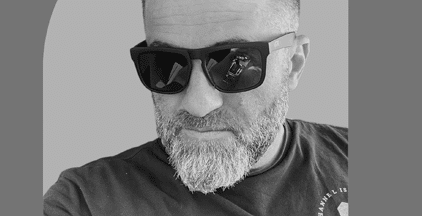
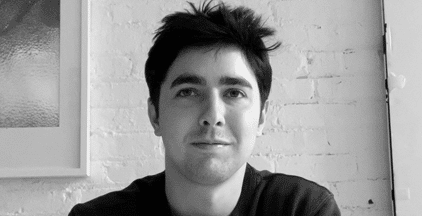
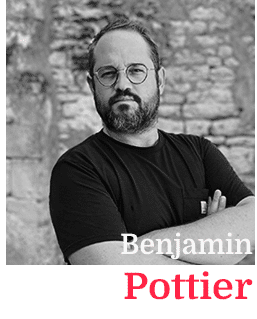
Benjamin Pottier is the interactive director at Studio9P. In an interview with TIA, he described his start in the industry and how Studio9P came to be. He also explained how the agency has evolved from its early days, how they integrate no-code design tools into their work and the role that user experience plays in their projects.
To begin, can you tell us a little about yourself and the journey that’s led you to where you are now?
I studied law, before realizing that it didn’t interest me at all! At first, I dreamed of opening a concert hall, before realizing that it was very difficult. So, I turned to music labels, thinking that digital marketing (which was still Myspace) would be a good way in.
After just a few months at Universal Music, I was fired because I didn’t like the hierarchical relationship. This led me to become a freelancer, then to set up my own structure with Ludovic Saffroy, my college buddy.
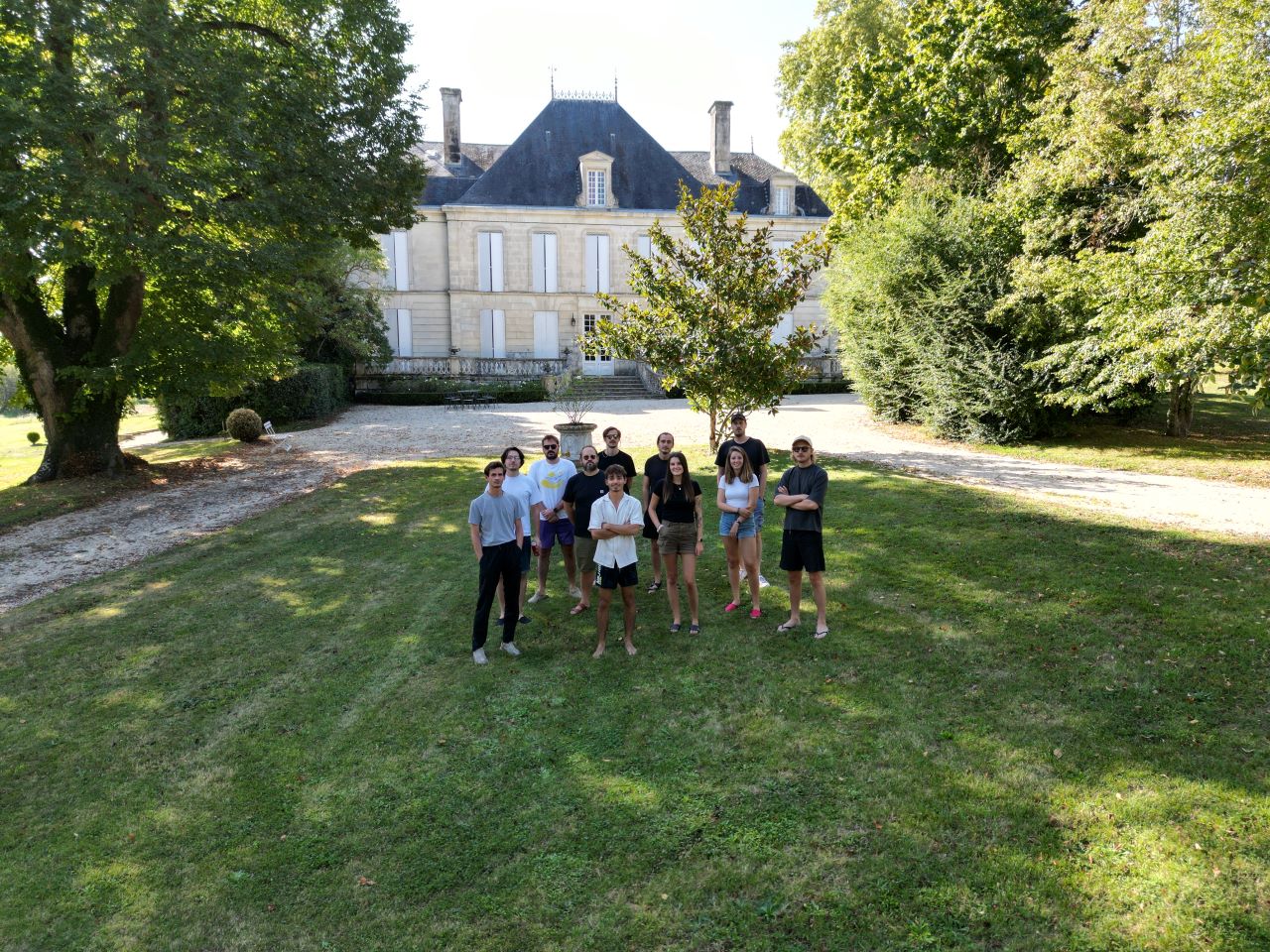
14 years later, there are 10 of us, not counting the freelancers we work with on a regular basis, and we’ve worked for hundreds of companies on a thousand different projects.
What do you like the most about Bordeaux?
I moved from Paris to Bordeaux for the quality of life, and to buy a house (which is out of reach in Paris). Bordeaux is ideally located: close to the ocean, 2 hours from the capital and our customers, 3 hours from Spain.
For tourism, Bordeaux is a sublime city, but you also need to visit the surrounding area: Saint Emilion, le Cap Ferret, the Landes, the Basque Country, etc. The landscapes are varied, as is the gastronomy.
How do you typically structure your workday?
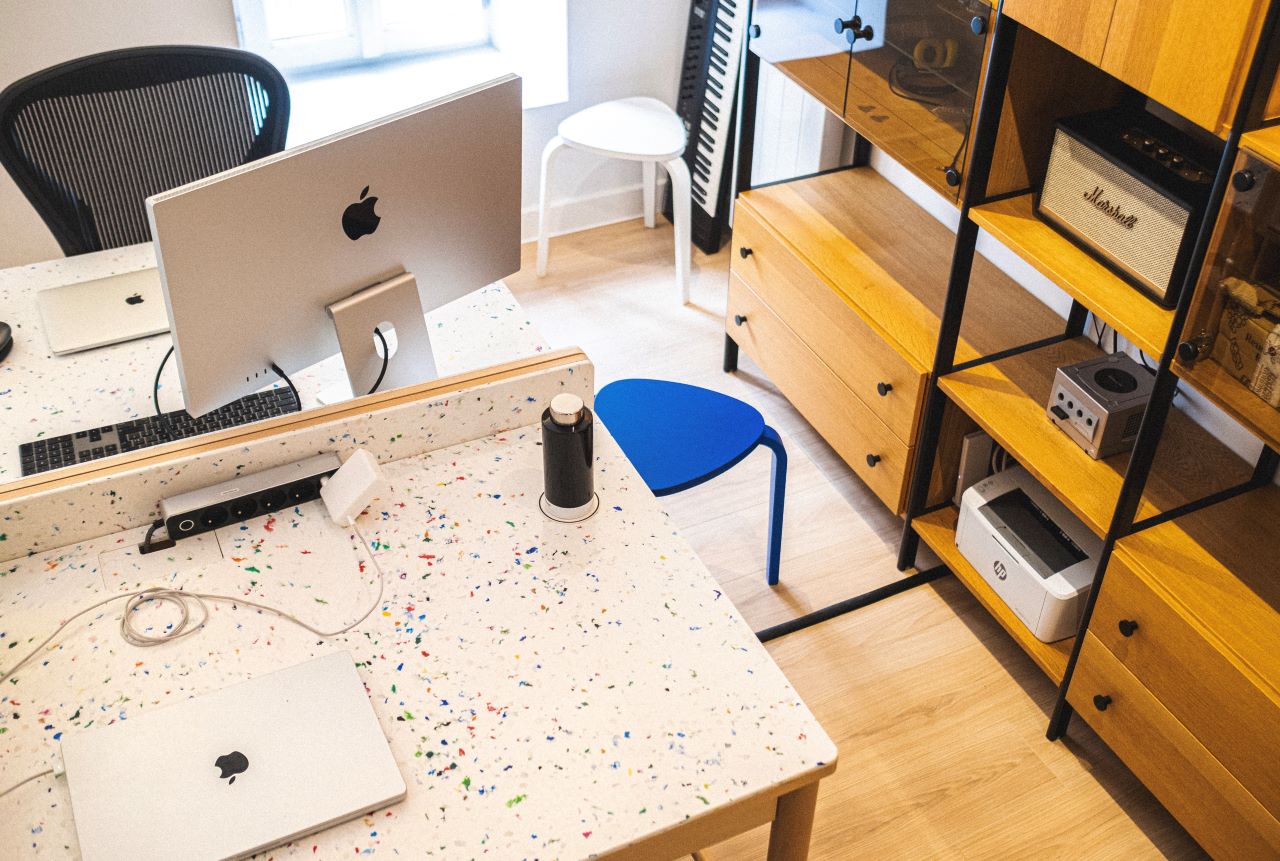
In the morning, it’s doomscroll (I love memes) and business intelligence (design trends, technical news…), then I go to the office in the center of Bordeaux. The structure mostly depends on the studio’s activity, between internal meetings, calls with clients and processing incoming briefs.
What do you want Studio9P to be associated with?
We like to put creativity and technology at the service of our customers’ ideas. We respond quickly and efficiently to briefs and requests. We like to be perceived as commandos, acting on one-off but visible actions, unlike the big agencies that deal with more global issues.
What are your main focuses at the moment?
Today, we’re focusing on our core expertise: high-end websites and experiences for demanding industries (luxury goods, video games, entertainment), but we’re also working on a more accessible offering for small businesses, using no-code platforms such as Webflow.
In what ways has Studio9P evolved since its inception, particularly regarding the services offered and the types of clients the agency caters to?
Naturally, our expertise has always evolved with the mastery of new technologies, while keeping pace with the requirements of the customers who call on our services. We began with music labels, then moved on to advertising, and are now working with luxury goods companies.
Webflow and no-code design tools are becoming increasingly popular, especially for small businesses. How has Studio9P integrated these tools into your projects?
Webflow is the best of both worlds: the UX designers create their own pages, and the devs intervene where they’re really needed. This new process has given designers more autonomy with a Figma / Webflow brick, and saved development time for something other than layout.
Can you share any insights or tips for small businesses looking to leverage no-code design tools like Webflow?
Communicate as much as possible with your partners and customers about what can and can’t be done with Webflow, and challenge the platform to avoid getting stuck in the middle of production by a small detail that Webflow doesn’t know how to do. Beware, too, of the platform’s language/localization limitations: certain errors of judgment can add to the bill.
What role does user experience play in the projects Studio9P undertakes, and how do you ensure it remains a priority?
User experience isn’t a priority, it’s the very essence of our work! I usually present myself to my clients as the users’ advocate, even if it means going against their wishes!
How does your design and development team collaborate with clients to identify pain points and opportunities for improvement?
Today, the whole process comes down to Figma (very surprising, lol!), from the first drafts of user journeys to the final design ready for delivery to the devs. When we go into maintenance mode, any problems identified on a site are replicated in Figma, in prototype mode. This allows us to test everything before launching an update.
Experience websites are a unique niche. How does Studio9P create immersive digital experiences that connect musical artists with their audiences?
The initial idea often comes from the artist or his team (label, management…). We work together to turn this idea into reality, confronting it with the technical realities and expectations of their audience.
How do you see the future of web design evolving, and what trends do you think will be important in the coming years?
Even though we’re trying to connect digital media to the real world, I have the impression that this is only happening today. The phenomenon ranges from archaic technos that have finally found a use, such as QR codes, to the most sophisticated AR applications and devices that are still looking for a use. This technological “adolescence” should lead us to less fanciful modes of use, closer to people, and therefore of real utility.
Let’s talk about team management. France is seeing a trend towards a four-day workweek. How has Studio9P approached work-life balance, and what benefits have you seen?
We try to keep out-of-hours work to a minimum, but of course it does happen from time to time. Each time, we make up for the hours spent in the evenings or at weekends (this is the law in France). More generally, we try not to take on too many projects to avoid overload, and maintain a bearable work rhythm. With 2 staff departures in 14 years, I think our recipe is working 🙂
The idea would indeed be to move towards a 4-day week, with slightly longer days, offering a 3rd day off (a Wednesday for young parents, or a Friday for an extended weekend). The main challenge is to maintain the studio’s activity by making sure we always have someone available. With a good system of planning and consultation, I think it should be possible.
When you have free time, what hobbies or leisure activities do you find most enjoyable and rejuvenating?
I play music in a band with friends, I love going to eat oysters by the sea (less than an hour’s drive from Bordeaux), and a new pleasure is spending time with my 8-month-old daughter.
As someone who enjoys challenges, is there any lesson you’ve had to learn multiple times?
Don’t be afraid when business is slow. It’s very counter-productive, and has no effect on the problem. Easier said than done…
Can you name a fun-fact people would be surprised to learn about you?
We love repetitive jokes, quotes from films, celebrities etc… for years, we’ve been making soundboxes of our favorite punchlines. Some of our boxes have had millions of hits. Most are in French, but here’s a sample in English: https://boitaduke.neuviemepage.com/
Benjamin’s Working Preferences:
Early Bird or Night Owl?:
Early bird out of obligation! I became a father this year, which means I have to rethink certain habits.
Usual breakfast:
Nothing very original, just black coffee and toast.
Most quoted book, TV Show or movie:
The Office
Last place traveled:
l’Aubrac, in the center of France (I do not travel by plane anymore)
Last downloaded app:
The self-service bike application of Bordeaux
Favorite sneaker brand:
Adidas
The game you’re best at:
Red Dead Redemption 2
If you could solve one problem in the world, what would it be?:
Global Warming of course
Agency to watch

Best in Breed since 1998. Lounge Lizard is a Digital Agency that Specializes in Brand Strategy, Website Design, Web Development, Mobile APP Development, Online Marketing, Social Media, Ecommerce, and SEOdigital experiences that move brands and businesses from now to next.
Featured agencies

135036 Views

115588 Views

109356 Views

91838 Views

88317 Views

83115 Views

74741 Views

61547 Views