“Spatial Computing Is the Ultimate Interface for AI” — Horacio Torrendell on Treeview’s Vision for XR Innovation
As we discover how to deploy this technology in a spatial context, we will discover new application paradigms that will drive huge business value and technology innovation.
New York, August 21st, 2025
 Founded in 2016, Treeview is a globally recognised XR studio that creates spatial computing software for some of the most innovative enterprise organisations worldwide. With a client list that includes Microsoft, Medtronic, ULTA Beauty, Daiichi Sankyo, NEOM, and the University of Alberta, Treeview has built a reputation for crafting impactful AR/VR experiences that blend design precision, technological excellence, and strategic vision. The company operates with the agility of a startup, offering end-to-end delivery under one senior team and giving its clients full control over intellectual property, source code, and assets—hallmarks that distinguish Treeview from traditional vendors.
In this interview, we speak with Horacio Torrendell, Founder and CEO of Treeview, about his personal journey—from a childhood spent between continents to launching Treeview and leading it through a decade of innovation. Horacio shares his vision of spatial computing as the next major human–technology interface, and how Treeview is helping enterprise teams navigate this emerging landscape with speed, creativity, and long-term impact.
Let’s start with your roots. You were born in Uruguay — how did your background and early experiences shape your path into spatial computing and technology?
I was born in Uruguay but left at the age of 2 due to my father’s job as an expat banker. We lived in the US, Thailand, and Budapest before we returned to Uruguay at 14 so I could do high school in Uruguay. Growing up in the 90s, I got into computers and the internet very early and discovered a lifelong passion for tinkering and exploring technology.
I believe the millennial generation has a unique way of seeing the world. We are a generation born with the internet and have seen nonstop constant innovation and change over our lifetime. From the arrival of personal computers in our homes to the massive technological leaps over the last decades, the only constant we’ve known is change.
If someone were to visit Montevideo with a focus on culture and creativity, what places or events would you suggest they explore?
Must-do activities in Montevideo:
- Stroll through Parque Rodó while drinking Mate (Yerba Mate).
- Have a Choripan at El Imperial on a Sunday at the Tristán Narvaja market.
- Ride a bike along the Rambla.
- Go see a candombe to experience a unique drum circle.
- Have an Asado at a local parrillada.
- Try a chivito at Bar Arocena.
What led you to found Treeview, and what did you see in 2016 that made you confident XR would become an enterprise essential?
In 2014, while studying software engineering, I had the chance to try the Oculus DK1, the first Kickstarter product launched by Palmer Luckey. Within seconds, I knew this was the future of computing and decided to dedicate my career to helping make it happen. I started freelancing as a VR software engineer, and in 2016, I founded Treeview, an AR/VR studio, and began working on larger-scale opportunities.
Treeview did a lot of work for AR/VR startups during the late 2010s, and in 2020 we started to shift our focus to working with Enterprise organizations, particularly innovation teams in these organizations. Innovation teams in Enterprise organizations are great to collaborate with because they have a startup philosophy but can drive impact through these high-impact organizations.

Spatial computing has evolved significantly in recent years. How do you define it today — and what do you think people still misunderstand about it?
Today, the two verticals seeing the most success are gaming and enterprise. It reminds me of how personal computers were adopted in the 1980s, when gaming and enterprise drove adoption, and by the 1990s the early majority followed. At Treeview, we believe enterprise use-cases like training, education, productivity, collaboration, simulations and data visualization will continue to deliver high value in the coming years. Adoption by the early majority will likely arrive in the 2030s.
Treeview has delivered XR applications for major companies like Microsoft, Daiichi-Sankyo, and Medtronic. What’s your approach to collaborating with large enterprises on breakthrough innovation?
When Treeview collaborates with enterprise customers, a lot of time and focus is dedicated to the initial phases of discovery and design. Making sure all stakeholders are in alignment and that we have a fundamental understanding of the key business value we are aiming to drive. This is key to deliver ROI and make sure we drive impact on what matters.
Treeview focuses on establishing long-term partnerships with our clients, so thinking strategically about delivering high long term value is key. Treeview provides full ownership of IP, source code, and assets to clients, which enables clients to invest in their own digital assets in AR/VR rather than just licensing solutions. This approach gives clients full control over their product and roadmap.
In your experience, what makes the partnership between a large organisation and a specialized studio like Treeview truly successful?
Treeview’s key to long-term partnership success with enterprise customers is our ability to provide world-class quality work at speed and with high levels of flexibility. Enterprise companies usually operate at slow speeds and with very rigid processes. Treeview’s speed and flexibility brings agility which drives innovation at startup speed. I feel this has been a key to Treeview’s success when working with enterprise customers.
Treeview also offers a very flexible approach to collaboration. When traditional enterprise vendors are very strict and fixed with SOWs, Treeview provides high levels of flexibility in adapting requirements and scope while delivering high standards of quality that enterprise clients expect. This agility and flexibility is what enables enterprise innovation teams to operate at startup speed.
Can you share an example where collaboration with a corporate partner led to unexpected innovation or a transformative outcome?
Here are three public case studies of high impact collaborations Treeview worked on:
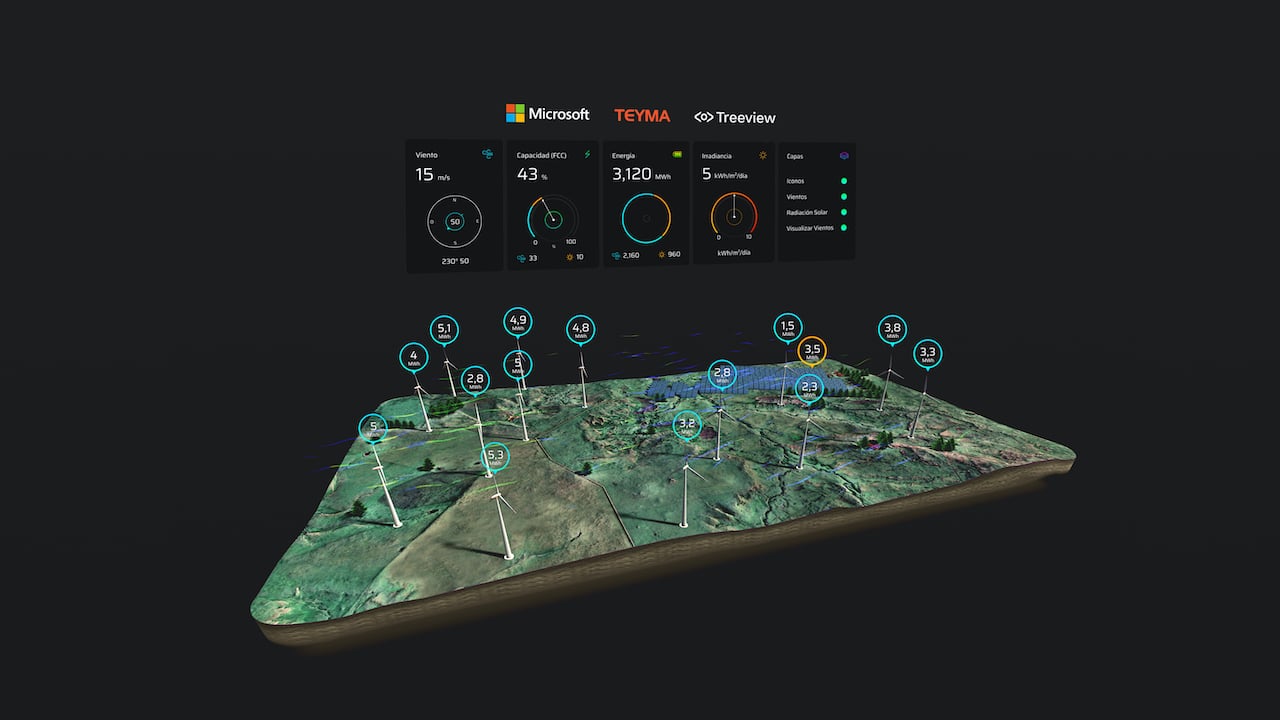
1. Digital Twin with AI Data Visualization
Treeview collaborated with Microsoft to create an augmented reality digital twin that reimagined how a green hydrogen energy company communicated complex technical data to investors and government stakeholders. The solution turned complex industry data into an intuitive, interactive visualization that significantly improved stakeholder buy-in during critical fundraising phases.
2. Immersive Heritage Preservation
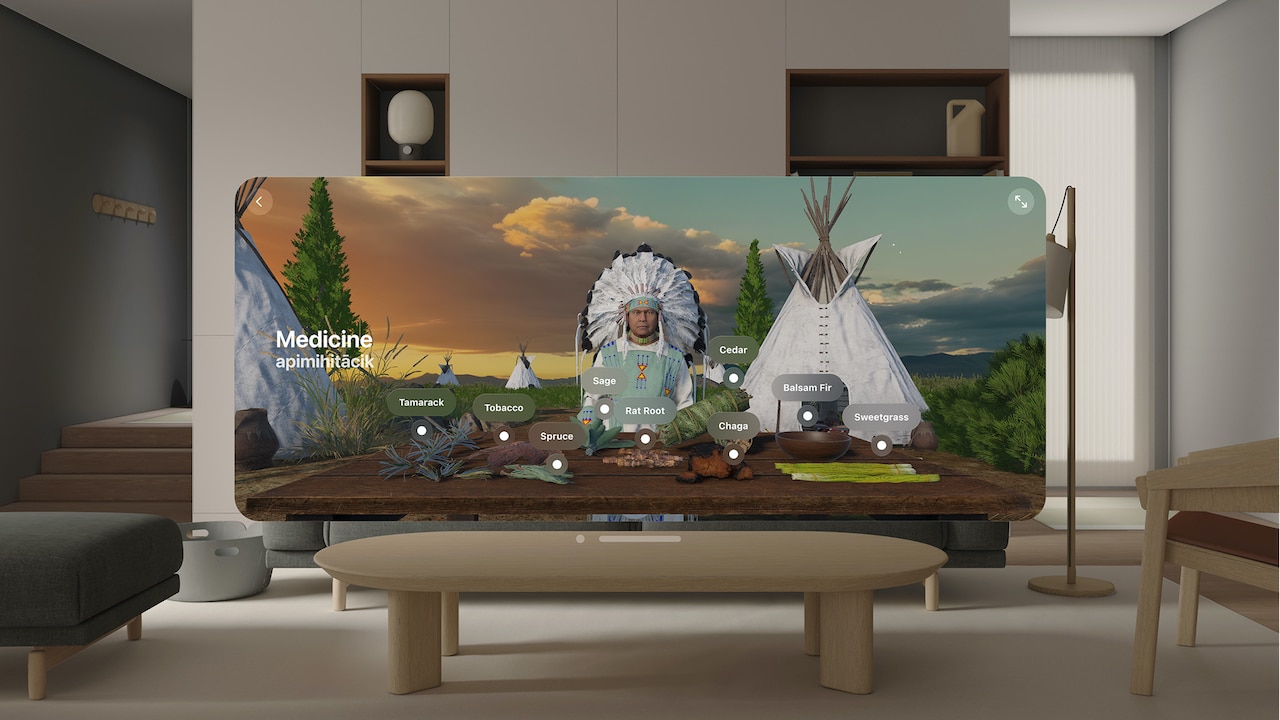
Treeview partnered with Treaty 8 Polytechnic to create “The Treaty Story,” an immersive cultural digital archive that preserves Cree traditions, language, and way of life through spatial computing before they could be lost in time. The experience transforms traditional storytelling into an interactive digital experience that maintains cultural authenticity while making Indigenous knowledge accessible to future generations worldwide.
3. Augmented Reality Ski Navigation
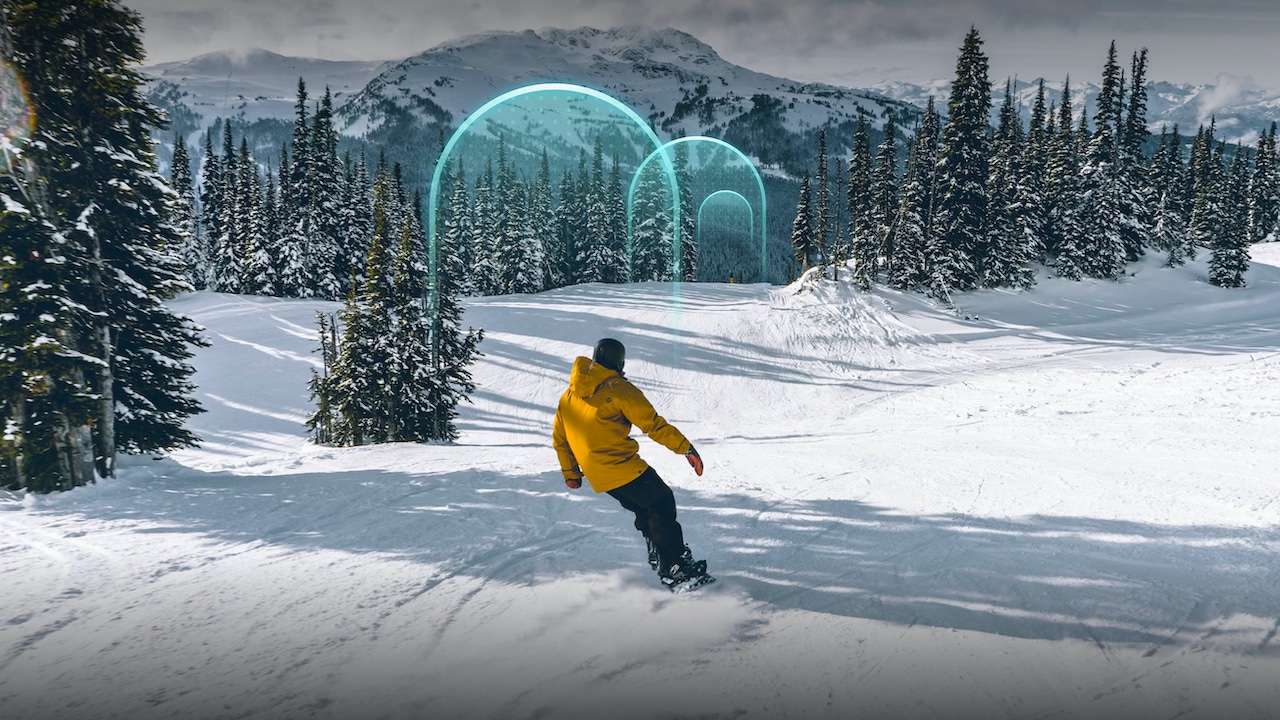
Treeview collaborated with NEOM to develop an augmented reality navigation system that transforms the skiing experience by overlaying real-time route mapping, performance visualization, and session analytics directly onto the mountain environment. The innovative outcome was creating the world’s first AR ski experience at Trojena ski resort that enhances both engagement and performance while evaluating how spatial computing can revolutionize outdoor recreation.
Source Image:
Treeview offers a full suite of services — from 3D content creation to long-term support. How important is it to provide end-to-end capabilities when working with enterprise clients?
Building XR software requires a lot of multidisciplinary skills to achieve success. These skills, when fragmented, lead to uncoordination and responsibility delegation which mostly leads to failed executions. For Treeview, being able to provide end-to-end services is key to agility, speed of execution and reducing the risk of failure.
Treeview’s service offering includes discovery, UX/UI spatial design, 3D content creation and software engineering. This approach ensures that Treeview can provide its clients everything they need to go from an idea to a fully deployed AR/VR application.
As systems integrators, you work at the intersection of XR and enterprise systems. What are the biggest challenges in creating scalable, seamless experiences?
In enterprise use cases, custom AR/VR software usually coexists with multiple other systems. Treeview’s ability to successfully integrate these systems is key to successful delivery. This usually means that Treeview collaborates with multiple teams inside these organizations to coordinate technical integrations during implementation.
The biggest challenges Treeview faces include integrating with legacy systems, data security requirements, and ensuring scalability across different platforms. Treeview’s experience with enterprise architecture and our agile development approach allows us to navigate these complexities effectively and reduce coordination pains from our clients.
What industries or sectors do you see as the most promising for spatial computing in the next few years?
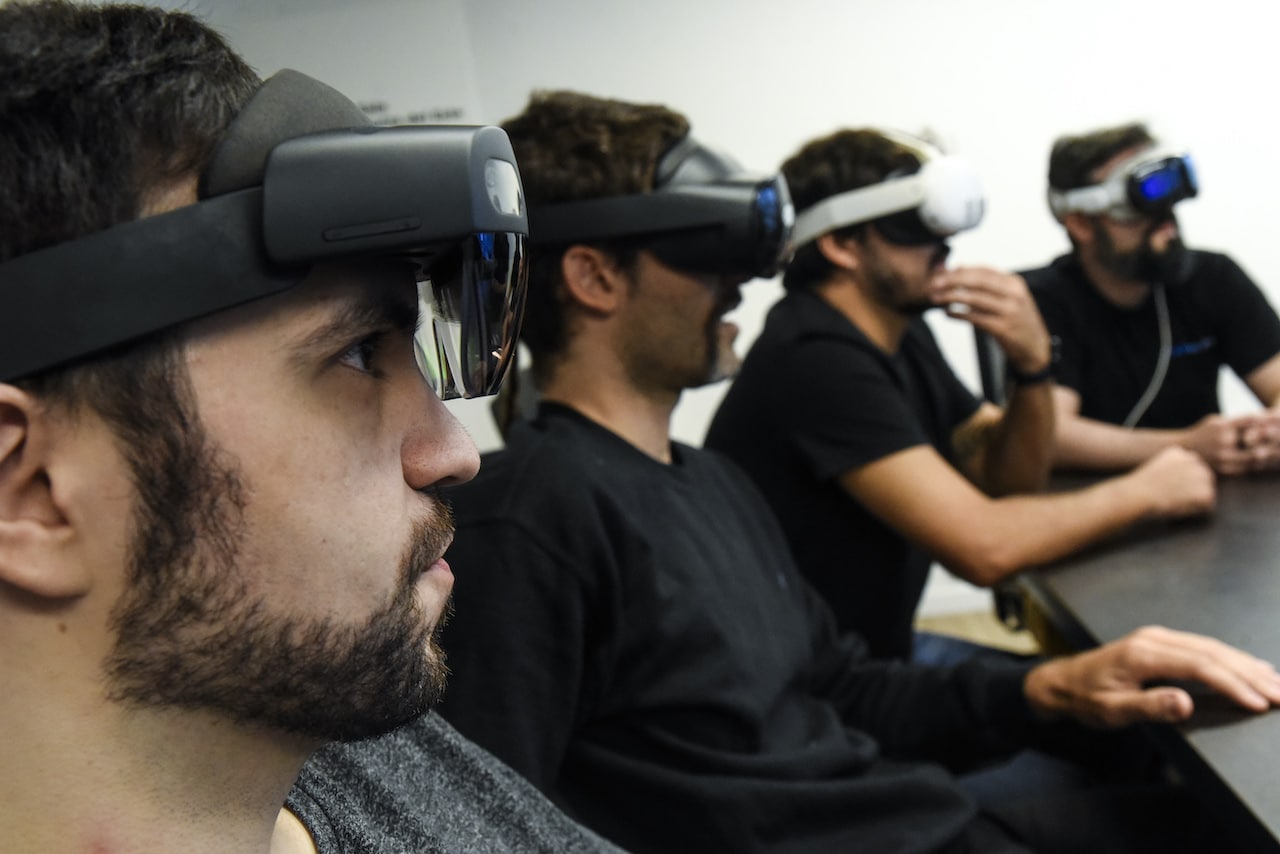
Within the Enterprise sector, the most promising use-cases Treeview is excited about are:
- Education and training applications
- Digital twins, data visualization and simulators
- Productivity and collaboration tools
- Storytelling and brand engagement experiences
Treeview has seen particular success in healthcare, pharmaceuticals, beauty & retail, culture & heritage, energy, manufacturing, tourism & hospitality, agriculture, and education sectors, where the ROI of AR/VR solutions is most measurable.
What advice would you give to enterprise teams looking to begin their first XR initiative?
Working with an experienced vendor like Treeview is a key recommendation. Enterprises can tap into Treeview’s decade of experience building XR software and delegate the full execution to our team. This enables enterprise innovation teams to focus on the highest impact activities which are strategy and stakeholder management.
Also, making sure that enterprises do a thorough discovery phase is key to answering the question of “why XR?” Treeview’s discovery process helps organizations identify the most impactful use cases and build a strong business case for XR deployment.
What role do you see AI playing in the future of spatial computing — especially in large-scale enterprise applications?
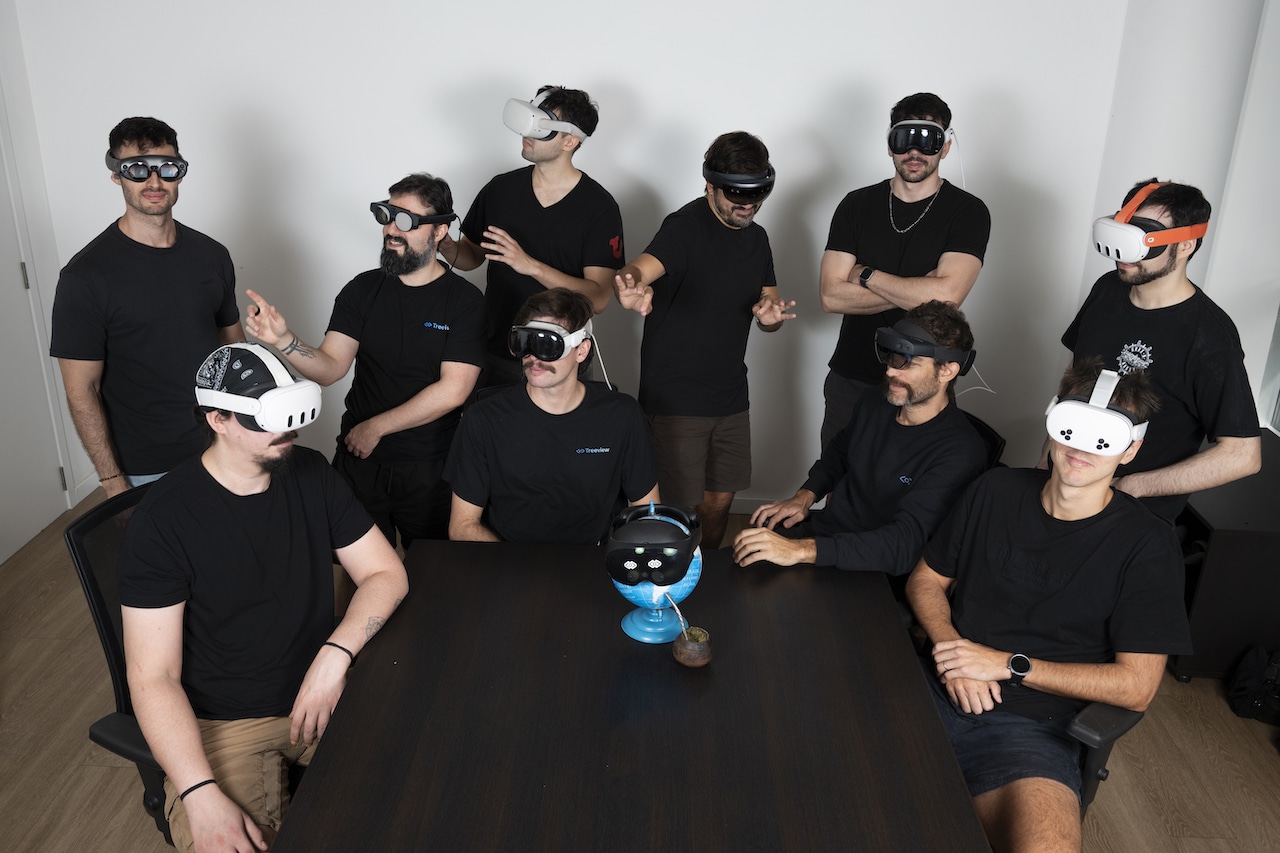
At Treeview, we believe that spatial computing is the ultimate interface for AI. AI is currently limited to chat-style interfaces. As we discover how to deploy this technology in a spatial context, we will discover new application paradigms that will drive huge business value and technology innovation.
Treeview is actively researching AI integration in our XR applications, particularly in areas like dynamic content generation, predictive data visualization, and AI-powered training scenarios. We see this as a huge vertical of business value for the next generation of enterprise solutions.
What kind of mindset or culture do you think companies need to truly embrace innovation in XR?
Early adopter mindset and risk-taking is key. Treeview works with some amazing innovation teams in enterprise organizations that have an amazing culture of innovation and industry-leading mindset.
Companies that succeed in deploying XR solutions typically have leadership that champions experimentation, technology adoption, and a willingness to iterate based on execution results. This cultural alignment is one of the drivers for Treeview’s long term partnership success.
Looking back over Treeview’s growth, what’s one project or collaboration that stands out as particularly meaningful to you?
The collaboration that was a key breakthrough was when Treeview collaborated with the University of Alberta’s engineering department to develop an augmented reality education platform for students to deploy AR simulations of engineering equipment.
The AR platform was a huge success in the university and established Treeview’s reputation in the academic sector and opened doors to larger enterprise AR/VR opportunities.
When you step away from technology and work, what keeps you inspired — whether it’s art, travel, or something unexpected?
I’m currently really into photography. I find photography trains your observation skills and it’s a great activity for discovering new cities. I’ve been living a digital nomad lifestyle several months of each year, and photography is a perfect match for that lifestyle.
Finally, can you share a fun or surprising fact about yourself that most people don’t know?
At one point in my life I was seriously considering being a professional musician. What made technology clear as a life path was that I felt music was the medium through which humanity changed the world in the 60s/70s. I feel the medium that is changing the world today is technology, and that’s why I’m passionate about what we’re building at Treeview. Technology builders are the musicians of today’s time.
Horacio’s Working Preferences:
Early Bird or Night Owl?:
Early Bird
Usual breakfast:
v60 Coffee
Most quoted book, TV Show or movie:
The Matrix
Last place traveled:
Rio de Janeiro
Favorite sneaker brand:
Asics
Preferred spot in your town:
Parque Rodo
What makes a good day at your job?:
A great deep focus session
If you could solve one problem in the world, what would it be?:
Helping discover the breakthrough that will catalyze the next era of human evolution.
Agency to watch

Best in Breed since 1998. Lounge Lizard is a Digital Agency that Specializes in Brand Strategy, Website Design, Web Development, Mobile APP Development, Online Marketing, Social Media, Ecommerce, and SEOdigital experiences that move brands and businesses from now to next.
Featured agencies

134956 Views

115518 Views

109312 Views

91795 Views

88247 Views

83059 Views

74684 Views

61495 Views