“There is no point in writing a beautiful blog if it doesn’t rank for anything”
Our Content Strategists are highly skilled in being able to naturally intertwine keywords into blog pieces whilst keeping them highly relevant, engaging and valuable.
 Perth, November 15th, 2023
Dilate Digital is a full-service digital marketing agency in Perth, Australia. They are a team of passionate innovators, change-makers and creatives committed to brands business growth and success. The agency builds digital campaigns aligned with business goals and tracks performance from end to end, using a results-driven approach.
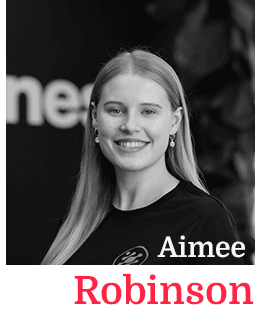
Aimee Robinson is the Head of Operations at Dilate Digital. In an interview with TIA, she described her day-to-day work at the agency and gave examples of recent projects and marketing campaigns done by the agency. She listed some of the operational challenges they face as well as the strategies they use for social media campaigns.
To kick things off, what do you like the most about living in Perth?
Perth is a fantastic place to live – we are so blessed to be in this part of the world. Many people will tell you that we have some of the best beaches in the country (and they would be right!). Definitely spend a few days enjoying the coastline (Cottesloe and Scarborough beach are a favourite). A day trip to Rottnest Island is a big highlight – the clearest waters and great snorkelling. If you can pop down to the Margaret River Region for the weekend to enjoy some of our local wines, I would highly recommend that too.
What does a usual day look like for you at work?
It really depends on where we are at in the quarter but it is usually a mixture of reviewing reports and spot-checking to see where we are at, collaborating with the Leadership team to see what the pain points and needs of their team are, coming up with solutions to any issues and creating workflows that facilitate a smoother client and team experience. There’s a big innovation element to my day; constantly thinking about how we are doing things and how we can do them better. In practicality that means a lot of large, ongoing projects that require a little bit of work each day, a lot of internal stakeholder meetings and managing a lot of spinning plates all at once.
What do you want Dilate to be associated with?
I want us to be associated with our vision, which is to be the most respected agency in Australia. I want people to think of honesty, integrity and hard work when they think of Dilate.
Can you share any of your upcoming projects that you’re excited about?
We’ve historically been a performance-based agency but are branching out into the creative and branding space. The team is really excited about this progression. It essentially means we are evolving our entire service offering and adjusting how we approach strategy for all of our clients.
Looking back at Dilate’s recent portfolio of work, which marketing campaign do you feel best represents the agency’s values and strengths?
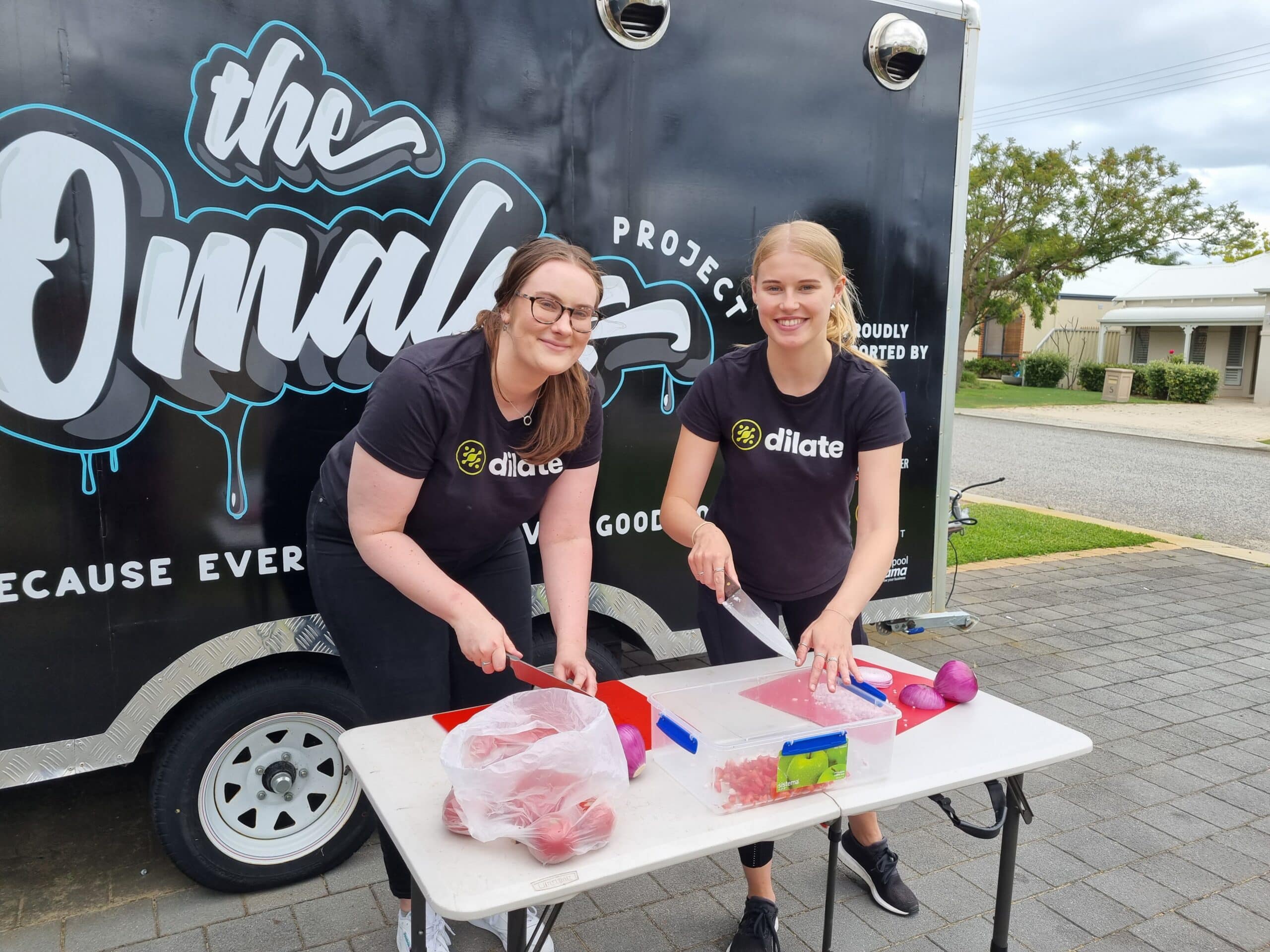
In terms of overall recent work, it would be the landing page for The Omeles Project. We did this one probono as it’s a cause close to our hearts. The Dilate team has volunteered many hours before cooking food for The Omelas Project and we just love it! Really speaks to our empathy value.
With looking at full marketing campaigns, Nourishme Organics comes to mind. This is an incredibly values-aligned brand; its entire purpose and mission is to facilitate people living healthier, happier lives through the healing power of gut health. They originally came on for Paid Advertising 3 years+ ago and once we achieved a record-breaking ROAS for them on both Google Ads and Facebook Ads, we started up an SEO strategy. Since then, we have developed a brilliant content strategy that focuses on education and brand awareness. The client even started their own chart-topping podcast – Gut Health Gurus. In recent years, they have been dominating the gut health space. Results aside, you can see from the thousands of reviews on their website that we have genuinely improved the quality of life of so many individuals. I personally worked on this campaign for years when I was a Senior Digital Strategist and absolutely loved it – a very rewarding experience.
What are the key operational challenges you’ve encountered in the digital marketing industry, and how has Dilate addressed them?
The fast-paced evolving nature of the industry is the biggest challenge. You have to build systems and processes not for what the market needs now, but for what the market will need within the next 5 years. You have to be ahead of the curve at all times. We’ve been nimble and have some of the best minds in the industry to help us innovate and stay ahead of the curve.
What considerations do you take into account when deciding on the appropriate digital channels and platforms for a campaign?
It all really begins with understanding the client’s business and their industry.
What role does keyword research and analysis play in your services, and how do you balance it with user-focused content?
It’s absolutely huge for us. There is no point in writing a beautiful blog if it doesn’t rank for anything and therefore won’t ever be read by a human. Our Content Strategists are excellent at selecting strategically focused topics that not only will directly speak to the audience but also perform well and directly benefit our organic presence. All of our content strategies start with keyword research and end with the users. Developing buyer personas for each of our clients is a critical step we take to ensure that all of our blogs speak directly to the audience we are trying to capture. Our Content Strategists are highly skilled in being able to naturally intertwine keywords into blog pieces whilst keeping them highly relevant, engaging and valuable.
Could you describe the tools and methodologies you employ for comprehensive keyword research?
The best keyword research starts with intimately understanding your client’s business. Have a conversation with your client – ask them about their industry, their offering, their target market and the common pain points. It’s important to understand the terminology and context before you open up any tool. However, Semrush and Google’s Keyword Planner are a favourite when it comes to tools. We also use Answer the Public, various AI platforms, Ahrefs, Google Search Console and Moz just to mention a few. As you collate your keywords, it is critical to review the search intent of each of these. Some can be informative but there can be semantics of the same keywords that are also transactional so understanding the primary goal and selecting the right terms relevant to the core business is important. The final step of very thorough keyword research is to ensure that all of your selected keywords (a mixture of varying intent, high volume, low-hanging fruit, low competition) are all signed off by your client. At the end of the day, they will always know their industry – and therefore the relevancy of these terms – better than you will.
How do you measure the success of an SEO campaign, and what key performance indicators (KPIs) do you monitor?
The number of organic conversions is the most important measure of success; if our client isn’t making a direct return on investment then the campaign is not working for them. We also look quite closely at organic traffic growth, overall ranking growth, total domain impressions and CTR; these are all leading indicators of our all-important organic conversions.
What is your approach to managing Google Ads budgets effectively to ensure the best possible results for clients?
It all starts with research. Through crafting a media plan, strategy and our extensive keyword research, we can determine the minimum viable budget to succeed with the campaign. We never run with a ‘small budget to test the waters’ if we can clearly see that is a very competitive space that commands a high CPC. Once we have a monthly budget to work within, our team will employ a variety of tactics to ensure it is spent as effectively as possible; we will play around with bid strategies, ad schedules and targeting options. Our team religiously checks the budgets multiple times a week to ensure we are not under or overspending.
What strategies do you employ to target and reach specific demographics and personas through paid social media campaigns?
There are a variety of strategies we use but it all comes back to our initial research around the customer journey and buyer personas. Facebook / Meta’s ad platform allows you to target using lookalike audiences, which is great if you already have an extensive existing client base.
Can you share your experience with integrated marketing campaigns that combined various digital channels to achieve compreh ensive results?
In my experience, the more channels you have with consistent messaging and branding, the better the individual performance of each of those channels will be. That doesn’t mean you can slap the exact same creative on as many channels as you can think of and expect a great result! You still need to go back to your baseline strategy and buyer personas. Who are you targeting? Where do they exist? What are their pain points? Where are they at in the customer journey or sales funnel? We customise our creatives and copy to ensure it complies with best practices for that specific platform but we keep all of the messaging very consistent. We even make sure we have the same Content Strategist write the copy for all ads and the landing pages. Once we’re live, we closely monitor, adjust and optimise performance on each individual platform to maximise the ROI for our clients. We may move budgets around between the platforms too.
How do you stay updated on the latest digital marketing trends and emerging technologies to provide innovative solutions to clients?
You have to fully immerse yourself in the industry. Stay up to date with digital, marketing and business podcasts, social media accounts, blogs and Facebook Groups. We have cultivated a real culture of sharing information. Once one person discovers a trend, or a Google algorithm update or an announcement from Google Ads, it is immediately shared with the entire company. With 85+ team members all doing this at the same time, it’s not often we miss things.
Which content marketing brand strategy has inspired you lately and why?
Without sounding too arrogant, it is one we have recently done for a client of ours. It was for a real estate company that is all about creating an environment where they can shape futures, not only for their communities and families, but for all of their people. They are a very values-aligned company and have gone through a complete rebranding process with us. We did a Brand Strategy Workshop with them to properly capture the essence of their approach. They then realised they needed a new website to reflect their refreshed brand, so we’re now on that journey with them too. All the while we are running a performance marketing campaign for them – SEO and Paid Advertising. Not only does this particular client disrupt the norms and stereotypes of the real estate industry but the whole experience with Dilate has shown the power of a solid brand identity.
For those who aren’t familiar with Perth’s creative industry, can you provide an overview?
It’s quite a fractured industry – there are a large number of boutique smaller creative agencies and even more freelancers. We have some larger agencies but they either tend to be great at creative campaigns or performance campaigns; there isn’t a lot that play in both spaces well. There tend to be a few hotspots in Perth where creatives tend to be drawn to – one of them Fremantle (about 15mins from the Dilate office).
Is there a particular place or setting where you feel most at peace and can fully relax from the demands of your profession?
I am very lucky to live on the coast and feel very grounded and at home in the ocean. I am even currently learning how to surf!
Do you have any creative outlets or artistic hobbies that provide a refreshing break from your tech-centric world?
Yes I do! I am actually also a qualified yoga teacher and absolutely love the practice. I hold regular free classes for the team at the park next to our office so that I can share my love for yoga with them.
From your personal standpoint, what is the greatest challenge of our time?
Trying to find the balance between economic prosperity and conservation. And this will happen through innovation. On one hand, we need businesses to be driven by profit if we want absolute productivity and efficiency. On the other hand, we need to conserve and replenish our resources – both natural and also human. With our younger generation, there is a big movement around slow living; people want to protect their space, energy and time but they also want to see the environment protected too. This can sometimes be in opposition to a traditional business structure, so it will be fascinating to see what innovation unfolds in the coming years to achieve that balance.
Aimee’s Working Preferences:
Working preferences:
Start early and finish early! I love a mixture of working from home for
productivity and focus and working in the office for effective communication and
collaboration
Early Bird or Night Owl?:
Early Bird for sure - you’ll catch me in bed before 9pm most
nights
Usual breakfast:
Smoothie, Tofu Scramble or Overnight Oats
Favourite music genre or band:
Favourite Band is Tame Impala
Last place traveled:
Last international trip - London, England. Last local trip - Yallingup,
Western Australia
What was your favorite subject in school:
Economics and Human Biology (weird mix, I
know)
The game you’re best at:
Monopoly - I am undefeated
Preferred spot in your city:
Scarborough - that’s home to me. On the coast. In the water
What makes a good day at work?:
When everyone is in a solutions-focused mindset; the
innovation that is born out of this is amazing!
Thanks Aimee!
- Learn more about Dilate Digital
- Follow Aimee on social media:
- Follow Dilate Digital on social media:
Agency to watch

Best in Breed since 1998. Lounge Lizard is a Digital Agency that Specializes in Brand Strategy, Website Design, Web Development, Mobile APP Development, Online Marketing, Social Media, Ecommerce, and SEOdigital experiences that move brands and businesses from now to next.
Featured agencies

135040 Views

115592 Views

109358 Views

91842 Views

88321 Views

83117 Views

74744 Views

61550 Views