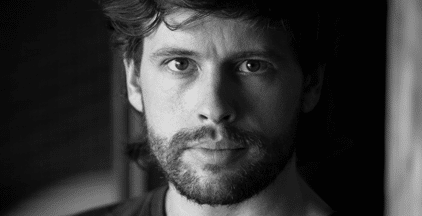
“It’s all about communicating and managing expectations from the get-go”
Understanding the need for processes has been crucial in workflow management
 Manchester, September 5th, 2024
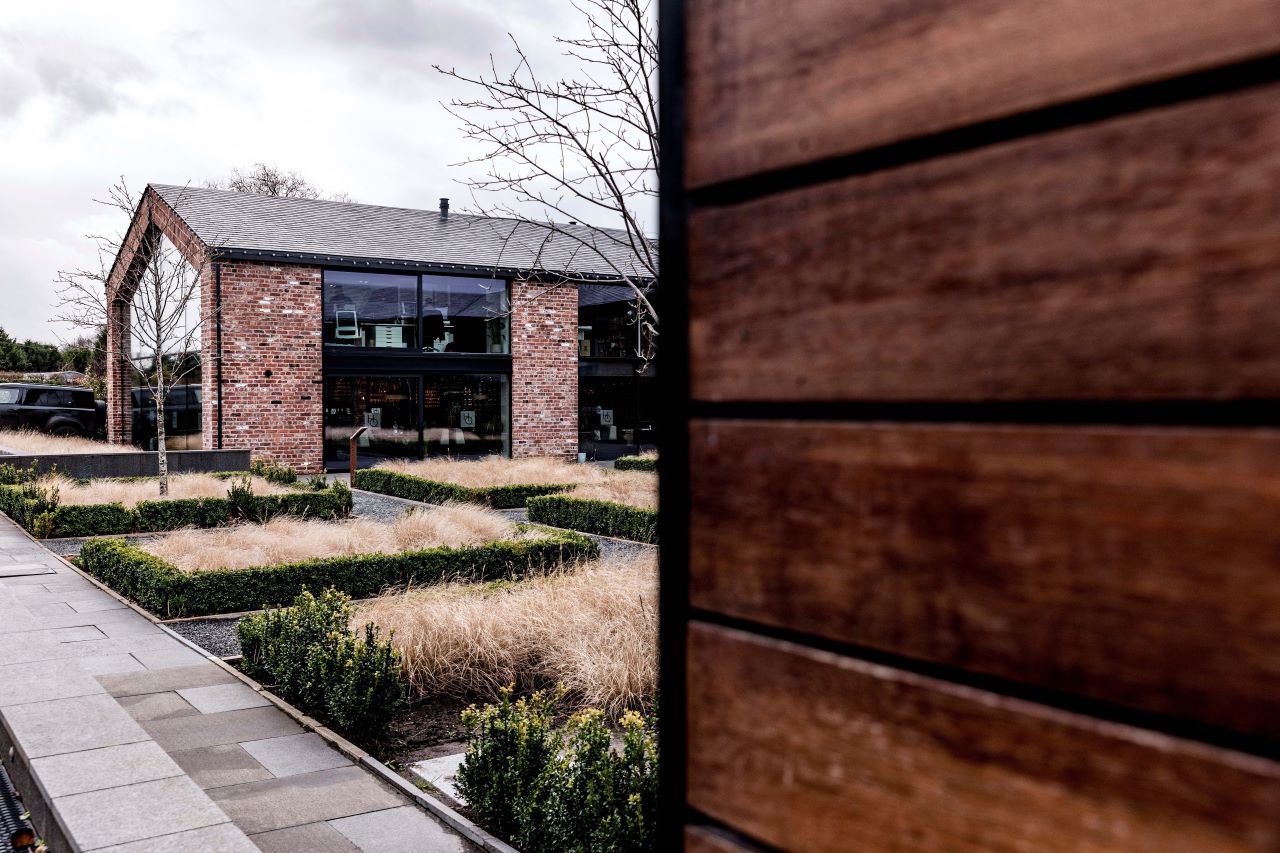
Outpost is a digital first design studio established in 2004 in the UK. They aim to create true expressions of brands that leave a lasting impression, working at the intersection of brand and technology using insight, strategy and creativity. They have worked with clients such as Luxaflex, Aston Currency Management and Elite Design Studio.
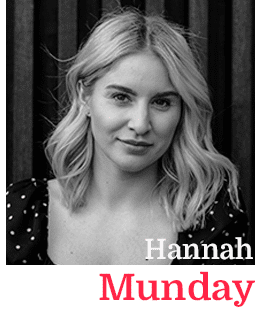
Hannah Munday is a Production Manager at Outpost. In an interview with TIA, she described her first steps at the agency eight years ago and how she transitioned to her current role. She also explained how the agency seeks a collaborative spirit in all its projects and gave some examples of recent projects of brands that she has been involved with.
Hannah, thanks for taking the time to speak with us! Let’s start with something personal. Can you describe your favorite aspect of working in the interactive design industry?
The industry is constantly changing and evolving so no project is ever the same. I always find it exciting to see what our team creates on each project and every time I’m blown away by the level of creativity and interactivity they push. You get to work with lots of different people in the industry too, which means you’re always learning.
Can you tell us about your journey and what led you to become a Project Manager at Outpost?
I started out in social media at Outpost nearly 8 years ago and supported clients with their day-to-day social activities on retainer accounts. Outpost was my first agency; I’ve always worked in house and as I settled into agency life, I started to understand the different roles and responsibilities on each account. After a few years I asked if I could sit in on meetings from a Project Management point of view and the Managing Director took me along to a meeting – I didn’t understand a thing and felt out of my comfort zone! My involvement in Project Management developed over time. I started to dabble in areas of it while still working in social media and I spent some time shadowing management as and when I could. It eventually became my full-time role, and I have since helped support projects from website design and development to outdoor advertising and branding projects. I thrive off our clients being happy so to be able to look after the accounts and ensure client satisfaction from start to finish of a project keeps me motivated.
How have your skills in client relationships and workflow management developed over your career?
The more experience you get the more your skills naturally develop but it’s important to push yourself out of your comfort zone and be open to learning new things; I learn every day from both colleagues and clients. Being thrown into the deep end helped too and has been an important part of my progression. Understanding the need for processes has been crucial in workflow management. We have defined processes for each project and by implementing these everyone has clear direction and expectations, and it helps improve the efficiency of jobs. Finally use tools to help you – tracking/ ticketing systems such as Trello allows us to monitor workflow and keeps everything streamlined, therefore improving efficiencies.
Describe a typical workday in your shoes.
It is my job to supervise the project lifecycle, so I usually start the day with a production meeting over a large pot of coffee where we review the current workflow, upcoming deadlines and schedule new jobs in. I check in daily with the allocated teams to ensure projects are on track and there are no roadblocks. I also check in weekly with clients over Zoom where I prepare work in progress reports – it’s my job to keep the client updated on the status of each project and ensure they are happy with the work we are delivering.
What are your main focuses at the moment?
We have several website projects running that are all in different phases of the project cycle, so I am overseeing them. I’m also working with our development team on the migration of 5+ sites for a client to a new content management system and I support the content migration and testing of these sites. I am also currently training our new intern on how to upload content on these sites and give her real-world experience in a design agency. We have about seven different projects running now, so there’s never just one focus!
Outpost is known for its collaborative spirit and global reach. How does this collaborative approach influence the projects you manage?
Outpost was built on collaboration, and we work with talent all over the world. Depending on the project deliverables we will tailor a specialist team (from development partners to additional designers, 3D artists and photographers) who we feel are the strongest for each project. We also encourage the allocated team to get involved in client meetings and workshops to help them understand the client, their business and their goals, this helps us all deliver the best possible work. Staying in touch with clients throughout the project cycle is also a crucial part of successful collaboration. We set several meetings throughout the project timeline to review work and gain feedback, so expectations are always managed.
Can you share a notable project where this collaborative spirit made a significant impact?
Aston Currency Management was one of my favorite projects and a great example of a project we worked collaboratively on with both their team and our team. Aston Currency Management provide expert advice and facilitation of multi-million £-worth of currency transactions and exchanges. They came to us requesting a brand refresh and a new website. They really wanted to push the boundaries and steer away from the basic cookie cutter style websites you often see in the financial sector and do something different. We collaborated on design focused workshops to understand their objectives and creative likes and dislikes, and we set up our internal team of designers and developers to deliver the work. We also organized a photoshoot and enlisted one of our trusted photographers to help bring the creative vision to life. This was one of my first photoshoots as Project Manager and it’s always exciting to get out of the office and on location. Our Creative Director set the art direction for the shoot, and everyone worked closely to produce content that was used across the website and on social media.
How do you balance client expectations with the creative and technical aspects of a project?
It’s all about communicating and managing expectations from the get-go. To give an example, we won’t start a website project without a specification document that outlines the functional and non-functional requirements of the site. This essentially acts as a contract between the agency and the client, and it must be signed before a project commences. All of our work is bespoke to the client, and we often use features such as animations so naturally there are some restrictions in terms of what can be achieved in the back-end (CMS system), as long as these are communicated and agreed with the client at the start of the project it ensures we all avoid any surprises at the end.
What strategies do you use to keep projects on track from proposal through to delivery?
Communication is key! Weekly calls, ticketing systems, Slack channels, end of week progress reports, timeline charts are all crucial to the successful delivery of a project.
What tools or software do you find indispensable in your daily work?
Slack, Figma and Trello.
What trends do you see shaping the future of interactive design and project management?
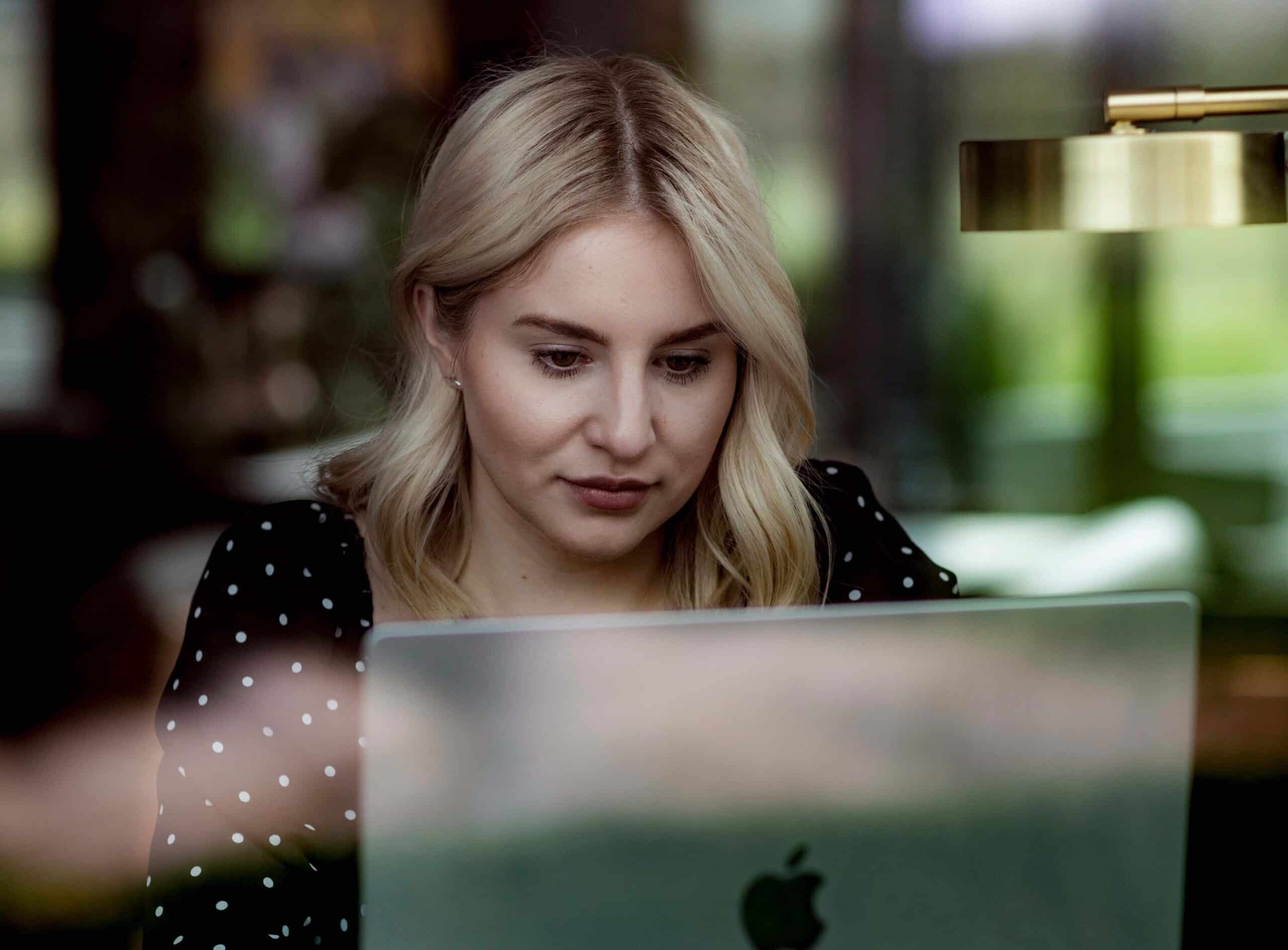
Everyone is saying it, but AI. I might be a bit late to the trend, but I am slowly starting to integrate applications such as AI assistant on Zoom for meeting notes and Chat GPT for research and project planning support.
Which aspect of your work puts a smile on your face?
Launching a successful project the client is happy with. When our experience and knowledge is trusted and respected by the client, and we can collaboratively work together to produce an amazing project. It’s also great when that project is acknowledged for an award. The Webby’s was a big one for us this year and when you spend a lot of time and effort on something it’s always a great feeling when that is recognized, it also helps keep you motivated.
What’s your favorite way to spend a weekend?
I usually head to the gym every Saturday at 9am with some friends, we make a morning of it by walking there (when the Manchester weather permits), and we usually stop for a coffee – it’s a nice social way to start the day. The rest of my weekend is usually made up of other social events with family and friends or DIY on my house.
If you could have dinner with any historical figure, who would it be and why?
Gertrude Ederle – the first woman to swim the English Channel. Her determination to succeed and not be put off in a male dominated environment was truly inspirational. The design industry is quite male dominated and as I’ve grown into my role over the years my confidence and communication in a similar environment has certainly grown.
Please share something you’ve always wanted to try but haven’t yet.
A Hyrox competition. Chris (our Creative Director) and I are both going to apply to enter the next competition in Manchester.
Hannah’s Working Preferences:
Early Bird or Night Owl?:
Early Bird
Usual breakfast:
Overnight oats with berries
Most quoted book, TV Show or movie:
Mean Girls
Last place traveled:
Snowdonia, Wales
Last downloaded app:
Greggs – free coffee!
Favorite sneaker brand:
Nike and Veja – can't choose!
Preferred spot in your town:
The local wine bar, Kelder Wines
What's something that always makes you smile?:
My friends and my cat, Winston
If you could solve one problem in the world, what would it be?:
Online bullying/ trolling – we all need to be kinder to each other.
Agency to watch

Best in Breed since 1998. Lounge Lizard is a Digital Agency that Specializes in Brand Strategy, Website Design, Web Development, Mobile APP Development, Online Marketing, Social Media, Ecommerce, and SEOdigital experiences that move brands and businesses from now to next.
Featured agencies

135092 Views

115636 Views

109383 Views

91878 Views

88369 Views

83157 Views

74781 Views

61576 Views