“Some redundancy is healthy for the project”
San Francisco, August 27th, 2019
Located in the heart of Silicon Valley, New York City and London, Momentum Design Lab is a design thinking-based and technology driven, user experience design agency specializing in digital product innovation, customer experience design, and digital transformation.
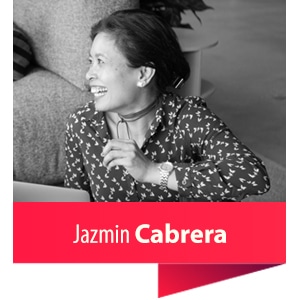
The agency has a user-focused, business-minded and value-driven approach, with a team that helps companies and their products grow and expand. In an interview with TIA, Delivery Lead Jazmin Cabrera, gave us an inside look at the agency’s daily life and its interaction with its many clients.
What experiences lead you to where you are today?
I spent 10 years in working the hospitality industry; including planning weddings and conventions. In that time, I found myself thinking of ways I can use technology available to me to improve the experience for the guests as well as ways of being efficient and effective in achieving the teams’ goals and objectives.
It was only natural that I endeavored to find an opportunity in being part of building compelling products and experiences using technology. I had “grown” from a Product Delivery Analyst to eventually leading the Product Management team within the Payment/Fintech space; building an Omni-Channel experience for merchants with the company’s portfolio.
How much time do you spend with customers?
It depends from project to project. There are customers who are more decisive, customers who have a clear idea of what they are trying to build, customers who have requirements well documents, customers who stick to their product roadmap, customers who know their internal and external customers really well, customer who have a clear strategy and objectives, customers who are aligned internally as team on product/project direction… Customers likely have 1 or 2 of these but it is rare that customers have all of these. If you are searching and hoping for the latter, then you may be searching for a unicorn.
If you honestly assess your organization, chances are you would come to the same conclusion. Momentum’s strength is being adaptive and flexible through collaborative efforts with our customers. I would say we would spend a minimum of 30% of our project time collaborating as a team with our customers.
Are the client’s expectations usually realistic with the possibilities of the project? Or the opposite?
It really depends on the clients. I find that the more the clients know and are organizationally aligned in their goals, strategy, and objectives, more clients are usually realistic with the possibilities with the project scope. Having said this, Delivery Leads have to flex our management of client expectations based on our team’s engagement type.
At what stage/point do you realise the project is off-track?
At every stage, we have checkpoints with our customers. As we have collaborations at least once or twice each week with the client, we are usually able to proactively address and anticipate issues. We recalibrate at every stage/checkpoint. Nothing really should be a surprise when it comes to a project.
Where we have had to make major adjustments are when new players are introduced to the project or new players/initiatives introduced within the customers’ organizations that we do not necessarily have visibility into.
In the end, Delivery Leads, especially have to focus on what they can control, set our energies within what we can influence, and most of all continue to build trust and transparency with our customers so that they can offer the same to us.
How would you explain the project life cycle?
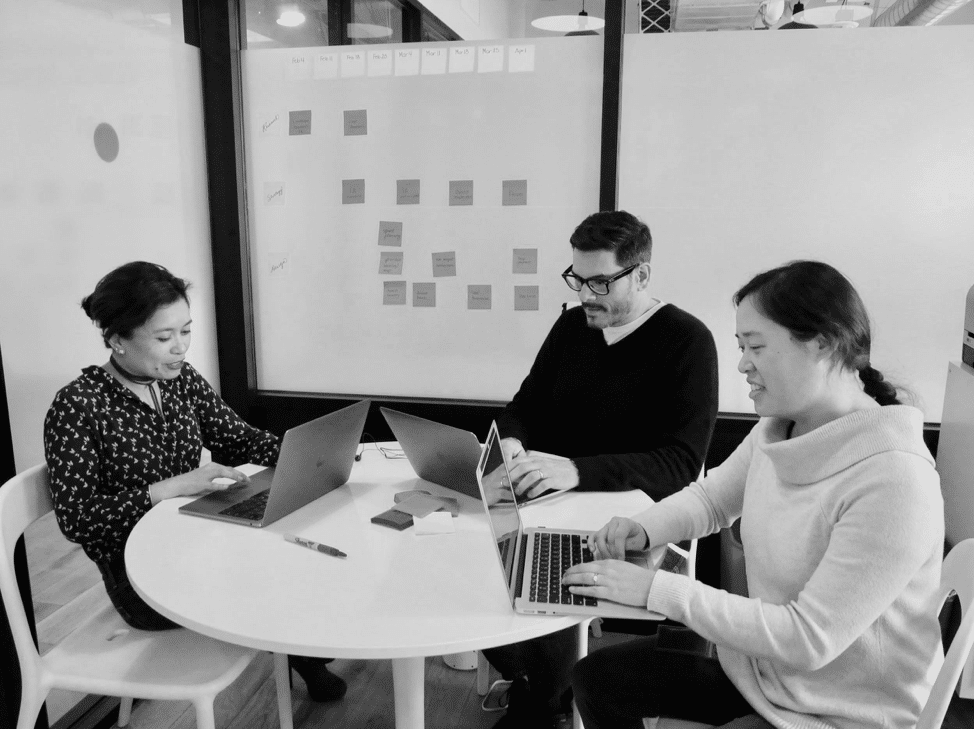
We follow design thinking process with an agile core in order to accomplish the project requirements.
The lifecycle starts with discovery and strategy; building the foundation for the remaining phases of the project. Each exercise in the first phase is highly collaborative. Our goal is to gather as much information from your team and external research as possible to equip our team with the right data to be applied to future design phases.
Building a strong framework during the discovery will enable the team to explore and create rooted in strategy and researched/well documented evidence to support the strategy. The final phases of the project culminate into validating and realizing these designs through various solution testing and technical implementation.
Having said all this, while ideal, this may not be possible either due to the customer’s available resources (subject matter expert availability and/or funds) or organizational readiness or maturity. As a project manager, one has to be adept at assessing the customer’s process for creating products to find the best point of entry or ideal methodology for the project.
How do you gain trust from clients?
By being proactive, regular, and transparent with our communication. Project managers/account managers need not be intimidated by having challenging conversations as you’ve continued to build credibility from the start.
How do you manage team members that are not working at their maximum potential?
Usually if a team member is not working to their full potential, it is due to the lack of clarity and clear expectations on the deliverable or in most cases their impact in the project objective. This can be addressed through continued, collaboration, 1:1 meeting, and most of all, if needed, project calibration after each phase.
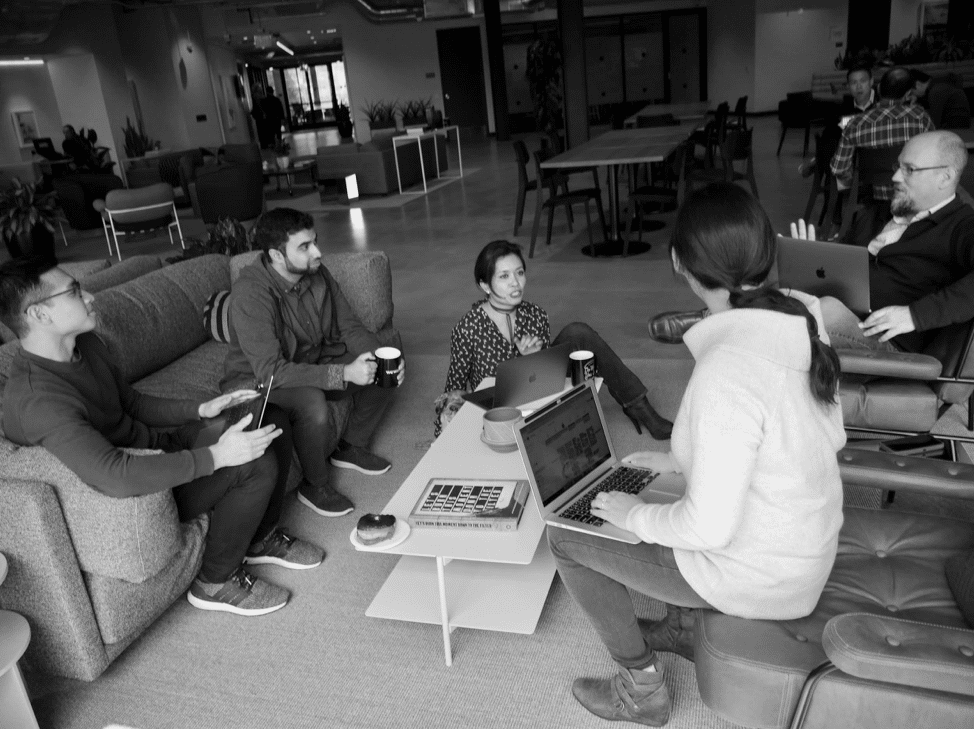
Many times, you are facing a situation that you have to replace a member of the team in the middle of a project. How do you handle this in your team and with your client? What’s the best way to overcome it?
Ironically, one of the advantages of working with an agency is the project continuity. The team members are skilled, agile, and quick study to jump in and out of our projects. Whether a teammate decide to go on holiday, take a day off, or pursue a new endeavor altogether, it is imperative that the project plans for contingencies. To a certain point, some redundancy is healthy for the project.
For our team in particular, we strategically put together teams that complement each other and set up strategic overlap and ensure that we are documenting and recording progress and learnings at all stages. With collaboration tools like slack, client portals, and google suite, the only challenge is making sure they are organized in a way that folks can follow the progression of the project.
What’s your ideal project?
My ideal project brings together the physical assets, digital solution, and human connection into a compelling and wholistic experience.
Thanks Jazmin!
Follow Jazmin Cabrera on social media:
LinkedIn
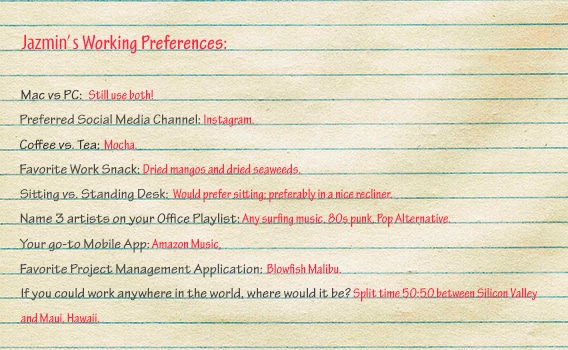
Jazmin’s Working Preferences:
Mac vs PC:
Still use both!
Preferred social media channel:
Instagram
Coffee vs. tea:
Mocha
Favorite work snack:
Dried mangos and dried seaweeds
Sitting vs. standing desk:
Would prefer sitting: preferably in a nice recliner
Name 3 artists on your office playlist:
Any surfing music, 80s punk, Pop Alternative
Your go-to Mobile App:
Amazon Music
Favorite project management application:
Blowfish Malibu
If you could work anywhere in the world, where would it be?:
Split time 50:50 between Silicon Valley and Maui, Hawaii
Agency to watch

Best in Breed since 1998. Lounge Lizard is a Digital Agency that Specializes in Brand Strategy, Website Design, Web Development, Mobile APP Development, Online Marketing, Social Media, Ecommerce, and SEOdigital experiences that move brands and businesses from now to next.
Featured agencies

135038 Views

115590 Views

109357 Views

91840 Views

88318 Views

83116 Views

74742 Views

61549 Views