“We have withdrawn from the competition with digital agencies”
Lausanne, June 24th, 2020
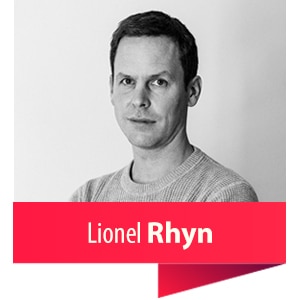
With a background on human sciences, Lionel Rhyn is a service designer at vertical studio in Switzerland, where he has worked for over two years.
He met the agency’s founder David Corthay on a project many years ago and they have worked closely together ever since.
The agency opened its doors in 2013 and now hosts a group of employees with a multidisciplinary and fresh approach of problems such as Lionel. vertical studio serves mainly Swiss clients, helping them to transform their content into an engaging customer experience.
In an interview with TIA, Lionel gave an inside look into the agency and its daily processes. He highlighted the decentralized structure of vertical studio and reflected on the changes brought in by the coronavirus epidemic, which he argues has validated the agency’s way of work.
Why is your city a great place to live and work?
I live in Chur and work from home. It’s a beautiful medieval city on the Rhine, surrounded by mountains. But my collaborations take me all over the country, so speaking about Chur itself isn’t really relevant in my case.
What makes my city a great place to live and work is the possibility to connect very easily with the rest of Switzerland – a small country with an amazing public transport system. So I really enjoy this place and the quality of life it offers. It isn’t far away from the big urban centers, close to my family and at the same time connected to my work relations.
How does communication flow through the organization these days?
Independently from COVID-19, vertical studio has made the choice of a little, decentralized structure. We have been working remote from different cities since a while. We don’t have the traditional office life – and the communication has always been alright.
Is it possible to build relationships with clients during the epidemic
I think the COVID-19 forces everybody to rethink the way we do business. Meetings, workshops, customer prospect and growth. Everything became more complicated. For us, this crisis is somehow the validation of the ideas we have been exploring for a few months about the organization of vertical: a very little structure, with few financial charges, functioning in a network, and being able to adapt and respond quickly to external constraints. That said, I have to admit that the situation in Switzerland was not as catastrophic as in other countries, and that the studio didn’t have an urgent need for new clients at the time of the crisis.
How did you find yourself working for vertical studio?
I have a background in humanities and information science. I’ve been running a few digital transformation projects in the field of information management, at EPFL (the swiss federal institute of technology) and at the federal statistical office.
I met David on a project many years ago, before he founded vertical studio. We came close friends and never lose contact after the project was over. David progressively inspired me to go beyond the field of information architecture and to take an interest in design issues – how to build an experience out of a structure or a process.
When it was time for me to go freelance, two years ago, we naturally decided to find a way to collaborate. I’m actually not leading vertical studio. We see vertical as a space where we can meet, share and create projects.
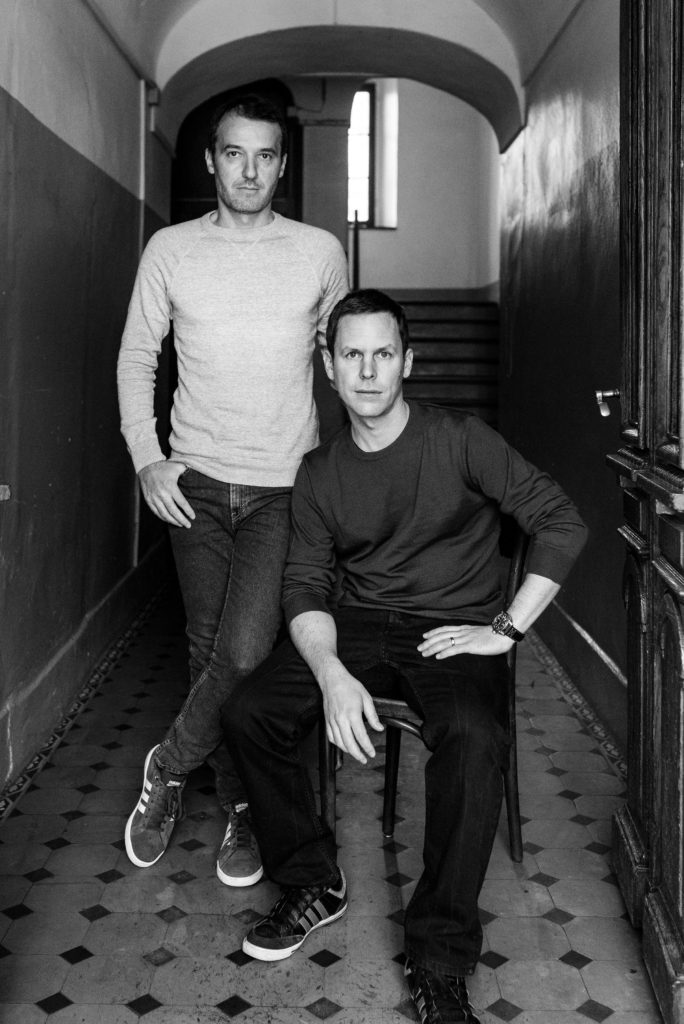
What makes the agency stand out?
vertical studio is way more than just a firm. It rests entirely on the personalities that make it up. We are a bunch of T-shaped people with a multidisciplinary and fresh approach to problems. We have no fixed methodology or tool, no work processes. The only constant element of our work is the search for meaning, this human intent that lies behind each and every transformational project.
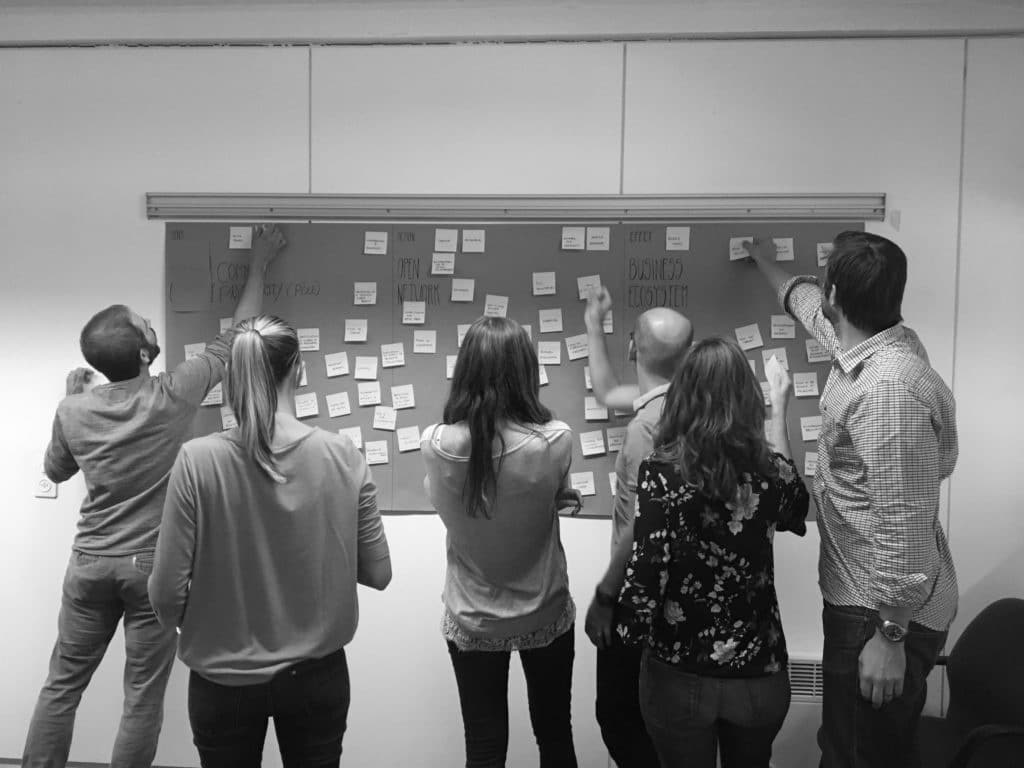
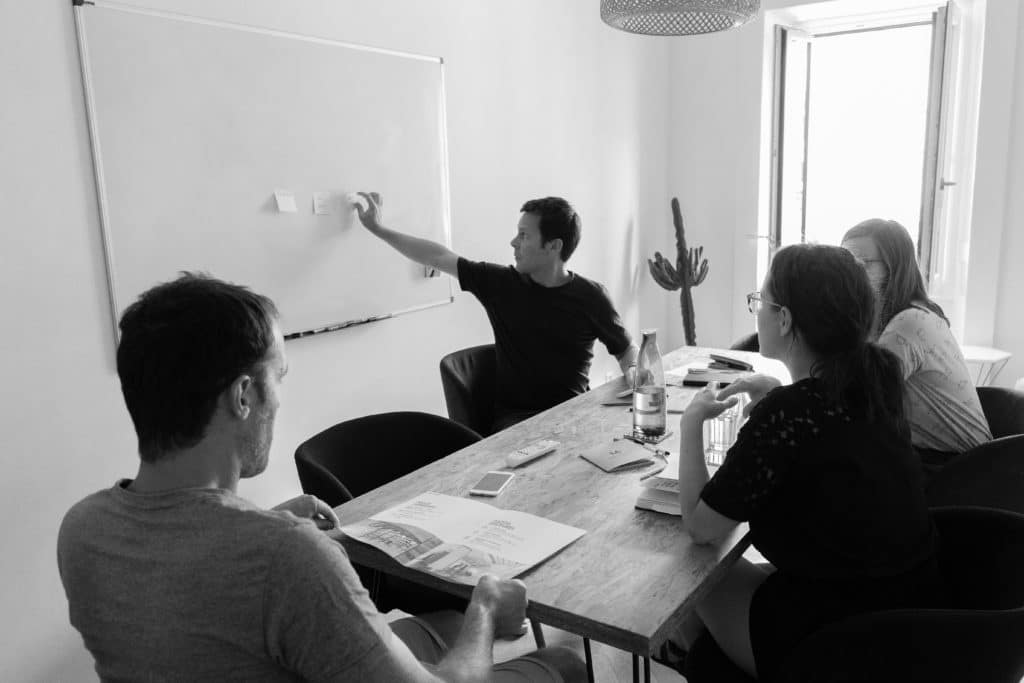
Can you share one of the most recent projects that makes you really proud?
We worked for an innovation consulting office. They were doing so many different things at the time that they were no longer able to say what their brand stood for and what their offering was really made of. With the help of narrative tools, we made an empathetic introspection of their projects and eventually came up with a portrait of the company that truly reflects their particular identity. From this starting point we could structure their offering in a clear and lasting manner.
Thinking of our previous interview with David, what changes can you spot on the way of working over the last years?
We have moved away from the technological aspects of digital innovation. We no longer have a developer in our team, and we have withdrawn from the competition with digital agencies. We have rather chosen to operate as the center of a community. We look for external collaborations when needed, and we focus on experience-centered business transformation, i.e. on defining new experiences for businesses facing the necessary changes of the digital age.
What upcoming initiatives do you find exciting?
I’m excited by everything new. I love the fact that this type of work has no routine, it’s a continuous renewal.
Can you recall of any defining moment that helped shape who you are today?
Probably the times I was lying on the couch with the setting sun shining on my face.
Please name a fun fact that people would be surprised to learn about you
I can whistle two pitches at the same time.
Thanks Lionel!
Learn more about vertical studio
Follow Lionel Rhyn on social media:
LinkedIn
Twitter
Instagram
Follow vertical studio on social media:
Facebook
Twitter
Instagram
Lionel’s Working Preferences:
Android vs iOS:
iOS
Preferred social media channel:
Twitter (but I'm not an active user of social networks)
Coffee vs. tea:
Coffee
Favorite work snack:
Bread and salami
Sitting vs. standing desk:
Sitting
Most quoted book:
Rubrique-à-Brac, a French comic book by Gotlib
Treasured TV show or movie:
Mad max (the first one)
Name 3 artist on your office playlist:
Chiledcow, Bill Evans, Odezenne
Preferred business meeting restaurant in your city:
No Name
Favorite sneaker brand:
Birkenstock
If you could work anywhere in the world, where would it be?:
On a train
Agency to watch

Best in Breed since 1998. Lounge Lizard is a Digital Agency that Specializes in Brand Strategy, Website Design, Web Development, Mobile APP Development, Online Marketing, Social Media, Ecommerce, and SEOdigital experiences that move brands and businesses from now to next.
Featured agencies

135036 Views

115589 Views

109356 Views

91839 Views

88317 Views

83115 Views

74741 Views

61547 Views