“Being able to question your work is essential as a designer”
 Clermont Ferrand, August 31st, 2022
Makemepulse is a global interactive production studio that turns aesthetics into experiences. The agency brings standout immersive experiences to everyone and everywhere. This includes VR, AR, XR, AI, or 3D, turning two-letter designations into must-experience-these cultural moments. It’s about redefining the interactive space, as they call it.
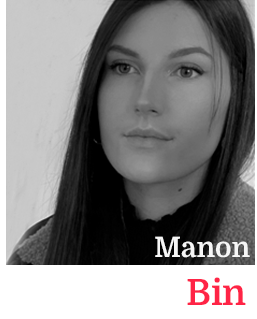
Based in France, Manon Bin is a designer at Makemepulse. In an interview with TIA, she described her responsibilities at the agency and her first experiences creating digital experiences. Bin also went through recent projects she has worked on and listed the key components of a first-class digital experience.
To kick things off, could you tell a little about where you live?
I recently moved to Clermont Ferrand, a city in the center of France in Puy de Dôme (Auvergne-Rhône Alpes region). What I like about this city is its authenticity, it’s a city surrounded by mountains and volcanoes which makes it even more unique. Fun fact: The cathedral is completely black because it is made of volcanic rocks.
What is a typical working day for you?
I like to start my work day with a cup of coffee and music. Then I open Slack to chat with my colleagues about the project(s) I’m currently or will be working on, then I open Figma (my best friend) to start designing. I usually have one or two meetings a day.
What does your job as Designer at Makemepulse entail?
As a Designer, I have two main roles. The first, working on RfP (request for pitch) involves responding to a client’s brief by creating a concept for their project in the hope of being selected as their chosen partner. This is normally a tight turnaround, sometimes a matter of days. The second role, involves creating interfaces (website, app, modules, etc) once a job has been won. This process usually extends over several weeks and is done step by step with the client. These are two very interesting roles for a designer because they are two different ways of working. Conceptualizing in a few days is a good challenge because it’s a good way to generate ideas quickly and learn to ask the right questions in order to sell them into clients most effectively. On the other hand, designing a whole project allows you to take the time to create a wider spectrum of possibilities before choosing the final direction and to create a kind of “routine” of work over the weeks.
How did you first become interested in creating digital experiences?
When I was little, I loved to draw, especially houses (I always liked architecture). My favorite class in school was art, I always got very good grades. My teacher even told me that I had a very creative way of thinking. Then when I grew up, I discovered Photoshop and created my first website designs on it. That’s when I knew I wanted to become a Designer.
Tell us about a recent project you’ve worked on that you’re proud of.
First of all, each project is interesting because they are all unique and require different skills or ways of thinking. That’s also the beauty of our job, no two days are ever the same. As I’m still quite new at mmp, I alas can’t tell you about some of the great projects I’m currently working on, but the project I’m most proud of, prior to my job here, is called Level Home. It’s an app I worked on for several months. The challenge when designing more than a hundred screens is to keep a coherence and remain consistent in the UX and UI choices. What helped me a lot in the elaboration of this project is of course the use of an advanced Design System, everything was indexed and categorized to keep a clear file. This project showed me that I was able to lead large scale projects alone, without major problems.
What is the guiding principle behind your design?
I would say “question everything”. Being able to question your work is essential as a Designer and it is also a strength to have a more relevant thinking process project after project. The best way to be confident about your design is to know the rationale behind the details. Connecting with an audience has never been more challenging for businesses.
What are the key components of a first-class digital experience?
My top 3 would be:
1) Make it smart. Simple feature can take on so much more if there is a good balance of UX, UI and motion.
2) Consistency is key. Creating visual cues whether it’s through the choice of colors, shapes or layout can only be beneficial
3) Be memorable. Make sure you have the extra element that will keep people coming back.
In your opinion, what’s the most important factor that leads companies to create successful overseas experiences and to engage at a global scale?
Understanding your target audience is the key factor. A digital experience is created to meet a need and therefore specific expectations. There are no barriers to success if you know who your experience is intended for.
What recommendations would you give to clients to help streamline the process between their vision and your process?
My first recommendation would be giving us tangible references. It’s easier to adapt or make suggestions when we know what type of existing experiences you like or dislike and why. And the second one would be trust us. If a relationship of trust and therefore of mutual listening is established, the result can only be as good as your expectations.
What is the best insight you can give to young creatives aspiring to move into a career in this industry?
Trust yourself and be bold. When you are starting out, you are always afraid that you won’t measure up. Use the seniority of others to elevate yourself. Their advice and feedback will help you grow and assert your skills. And last but not least, don’t wait for things to fall into your lap, seize the opportunities you desire and be curious.
What’s the next skill you plan on learning?
I would really like to learn 3D specially to create architectural scenes. I’ve always found it fascinating!
In general, what role do you think designers have to play in building more-accessible societies?
Accessibility often gets pushed aside in projects because of cost and time. I think our role is certainly to bring it to the forefront and make it a key point during the development of the scope of any given project.
Which is the global issue you are most passionate about and why?
The place of women in society is a subject close to my heart. It’s sad to see that today we still have to fight to restore rights acquired centuries ago. I am optimistic and hope for a better future, but I know we still have a long way to go.
What are your favorite ways to decompress outside of work?
Spend quality time with my family! Go to a restaurant, go for a walk. Whatever we do, I know I’ll always have a good time with them.
Can you name a fun-fact people would be surprised to learn about you?
I lived in the Netherlands for more than a year but I can’t say a sentence in Dutch.
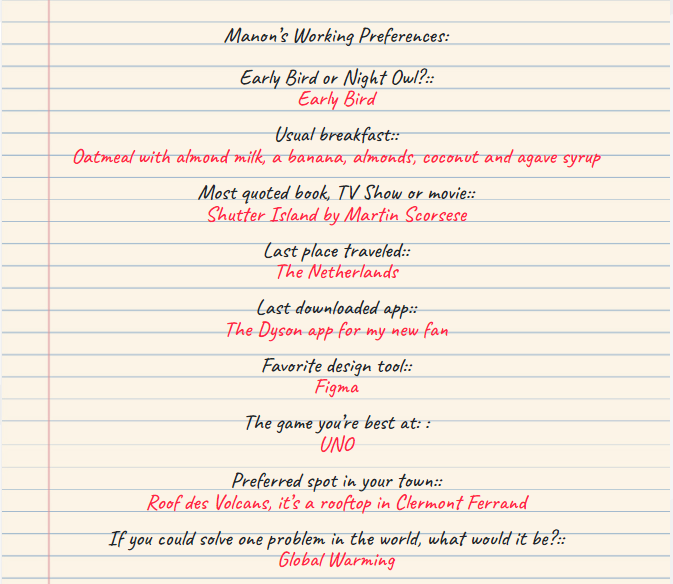
Thanks Manon!
- Learn more about makemepulse
- Follow makemepulse on social media:
- Follow Manon on social media:
Agency to watch

Best in Breed since 1998. Lounge Lizard is a Digital Agency that Specializes in Brand Strategy, Website Design, Web Development, Mobile APP Development, Online Marketing, Social Media, Ecommerce, and SEOdigital experiences that move brands and businesses from now to next.
Featured agencies

135085 Views

115630 Views

109378 Views

91873 Views

88361 Views

83150 Views

74774 Views

61573 Views