“Balancing creativity with functionality is crucial”
Brands that create engaging web experiences to connect more deeply with their audience stand out in a crowded market
 Paris, October 2nd, 2024
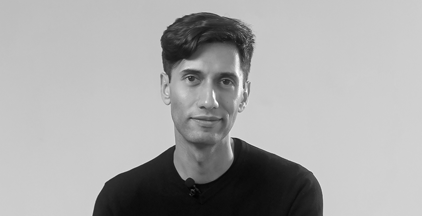
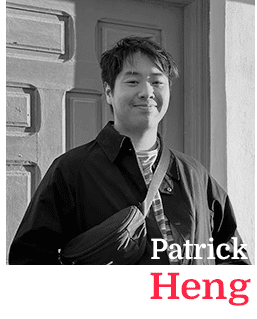
Patrick Heng is a freelance creative developer based in Paris. He became in love with graphic and motion design from an early age and wanted to be involved in the industry. First, he studied to be a UI designer but then realized he wanted to create interactive, animated UI with code. Since then, he has worked with many global agencies in different projects.
In an interview with TIA, Patrick described some of his work experiences over the years and explained the behind-the-scenes of his work process. He highlighted the need to balance creativity with functionality when developing interactive experiences and listed some of the challenges he has faced when integrating artificial intelligence into his work.
What do you enjoy most about living in Paris?
Living in Paris is truly wonderful. I love the mix of history, culture, and the vibrant energy of daily life that you find around every corner. There’s something special about biking or walking through the charming streets, with historic landmarks and cozy cafés all around. One of my favorite spots is La Gaîté Lyrique, known for its cutting-edge exhibitions, concerts, and digital arts. It’s a dynamic space where creativity meets technology, offering a truly unique cultural experience in Paris.
What led you to pursue a career as a creative developer, and what keeps you passionate about it?
When I was 14 years old, I developed a passion for graphic and motion design, inspired by some older friends who were already working in the field. I wanted to work in a similar path. Initially, I began my studies to become a UI designer, but I quickly discovered my love for coding and bringing websites to life through animation. It was during this time that I realized my true passion lies in creating interactive, animated UI with code. That excitement has stayed with me, and I’m grateful to now be doing what I love every day!
How do you typically structure your workday?
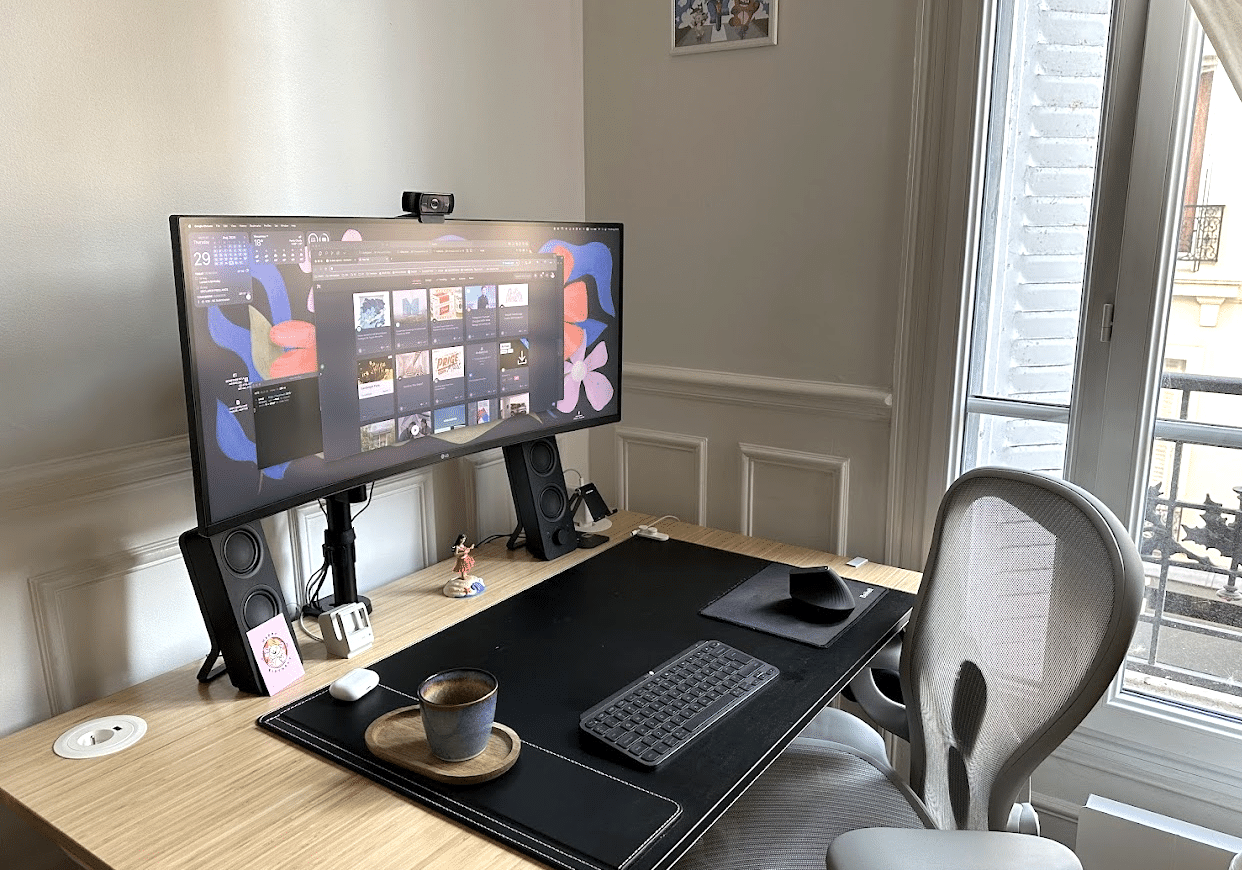
I typically start my day quite early—around 7:30 AM, I’m ready to dive into work. I begin by scrolling through my Twitter feed and responding to any emails that need my attention. Once that’s done, I prioritize my tasks for the day, making sure I have a clear plan and sync with my current client that we are aligned on the daily plan. I usually prefer to tackle the most intense and important work first when I’m fully focused, saving the more relaxed tasks for later in the day when my energy naturally winds down.
What are your main focuses at the moment?
My current focus is finding a balance between working on long-term product projects and creating fun and innovative websites. I’m currently working on a long-term client project where I develop shaders and tools that enhance their product offerings. At the same time, I take on some small side projects that let me experiment with new technologies and push the boundaries of interaction design. This mix of stability and innovation makes my work both exciting and satisfying.
You had the opportunity to work with some renowned agencies like Active Theory and Merci-Michel. How have these experiences shaped your approach to creative development?
Working with Merci Michel and Active Theory has had a big impact on my approach to creative development. They taught me how to work efficiently and effectively on projects and the importance of teamwork and attention to detail. They place a strong emphasis on creativity and innovation, with the team sharing a common vision to push technical boundaries in order to bring their creative ideas to life. This collective drive to explore new possibilities has been truly inspiring and has greatly influenced my approach to creative development. I’m truly grateful for the opportunity to work with them; they were not only excellent mentors but also great friends who significantly shaped my professional growth.
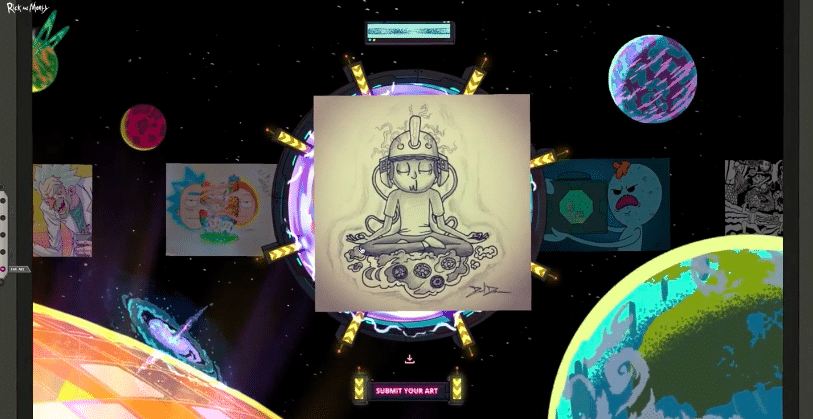
You mentioned the importance of bringing creative, fun interactions to life with code. Can you walk us through your process for finding the right interaction for a project?
My process for finding the right interaction for a project begins with close collaboration with the creative team. We start by brainstorming and thoroughly understanding the art direction and overall vision of the project. It’s essential to identify the key elements of the website that need the most attention, especially if we’re working on a tight schedule, so we can prioritize our efforts effectively. Then I start prototyping various ideas and share them with the creative team. I believe in an iterative process, working closely with the designers to fine-tune the parameters of each interaction. This back-and-forth allows us to refine the experience and ensure it aligns with the project’s creative goals. In many cases, we utilize WebGL, which gives us greater freedom to create dynamic and engaging interactions. I particularly enjoy using basic physics into interactions to make them feel more responsive and lifelike. I also like to expose the parameters of these interactions and visual shaders to the designers, allowing them to tweak and play with the settings to achieve the desired outcome. This collaborative and iterative approach helps us bring creative, fun interactions to life with code.
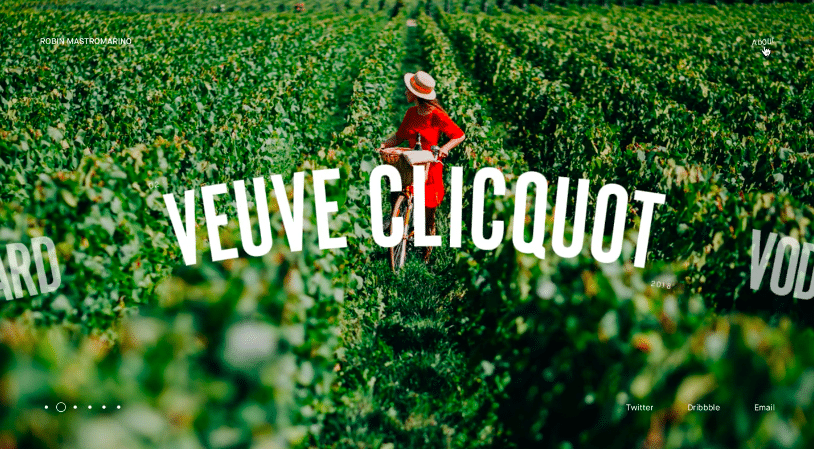
How do you balance creativity with functionality when developing interactive experiences?
Balancing creativity with functionality is crucial when developing interactive experiences. The user experience always comes first. Even when we’re aiming for unique navigation or fun interactions, it’s essential that users can easily navigate the website. If an effect or interaction complicates navigation, we often scale it back or remove it altogether to ensure the site remains user-friendly. For me, performance is another key consideration. The site needs to run smoothly, even on lower-end devices. To achieve this, we might disable certain effects based on the performance of the user’s device or simplify them to maintain a seamless experience. This approach ensures that while the site remains creative and engaging, it never compromises on usability or accessibility.
What strategies do you use to effectively communicate technical limitations or possibilities to designers?
When it comes to communicating technical limitations or possibilities to designers, I find that if we have time for an initial prototyping phase, it can help a lot. During this stage, we can often identify potential performance challenges or technical complexities early on. If we encounter limitations in the middle of working on the project, I like to discuss them with the designers, and we collaboratively explore ways to simplify the design without compromising the overall vision.
What role does prototyping play in your workflow when developing interactive elements?
Prototyping plays a significant role in my workflow, especially when time allows for it. I really enjoy incorporating prototyping in the early stages of a project because it offers valuable insights into what’s possible and serves as a strong foundation for discussions. It helps us explore the creative potential and feasibility of various ideas, leading to a more collaborative process with the creative team. Through this back-and-forth, we can refine and enhance some cool ideas.
Are there any specific tools or frameworks you prefer when working on creative projects?
For creative projects, especially those involving WebGL, I typically rely on libraries like Three.js or OGL. For animations, GSAP is my go-to, as it offers robust and precise control over animations, making it easier to bring dynamic, fluid motion to the web. On the front-end side, I like to use Vue.js.
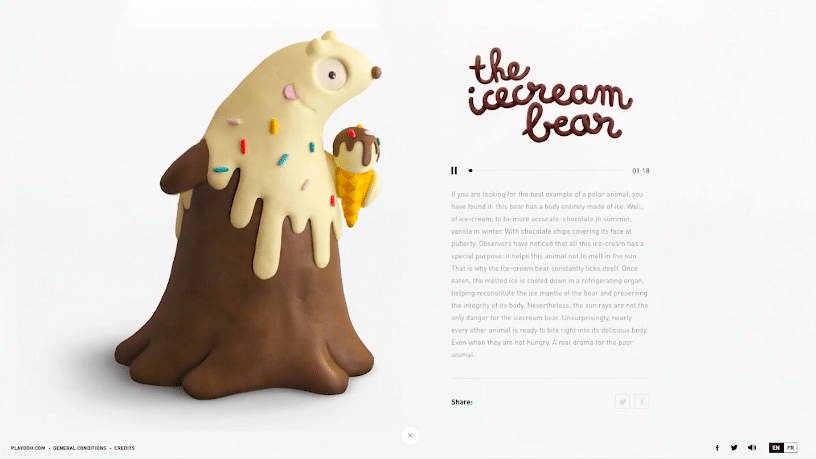
What do you consider the critical factors driving brands to craft engaging web experiences?
Brands that create engaging web experiences to connect more deeply with their audience stand out in a crowded market.
What are some of the challenges you’ve encountered when integrating AI into your work, and how have you addressed them?
One of the challenges I’ve encountered when integrating AI into my work is finding the right balance between using it as a tool and not relying too heavily on it. I mainly use AI to automate specific tasks, like writing scripts to optimize assets or generating 3D textures. It can also help simplify certain coding tasks. However, AI has never been the core of my work. In my daily routine, I see AI as a helpful tool for speeding up specific processes, but I make sure it doesn’t take over the creative and critical aspects of my job.
How do you foresee the role of AI evolving in the digital design and tech industry over the next few years?
It’s hard to say. I really hope that in the next year our jobs will not be too different. AI will remain a tool rather than a replacement for human creativity. To truly stand out I think that we’ll still need to come up with innovative, creative ideas that AI can’t replicate. Our routines will certainly evolve, and we’ll need to adapt our skills and approaches to continue adding value in a landscape where AI plays a bigger role.
As someone who enjoys challenges, is there any lesson you’ve had to learn multiple times?
One lesson I’ve had to learn repeatedly is the importance of patience. When tackling complex projects, it’s easy to get frustrated, but I’ve found that taking a step back and allowing the process to unfold naturally often leads to better results.
How do you typically spend your weekends to unwind and recharge, especially after intense workweeks?
On weekends, I love exploring new spots to eat. I also enjoy playing guitar in my free time. It’s a great way to unwind and disconnect from the screen after a busy week.
Please share a fun fact that not many people know about you.
A fun fact about me is that I’m a bit of a coffee nerd and addict. I’m always watching videos about espresso techniques and hunting for unique coffee beans in hipster shops. It’s a hobby that keeps me caffeinated and curious!
Patrick ’s Working Preferences:
Early Bird or Night Owl?:
I prefer to work early in the morning when there are no distractions. I often get the most significant part of my work done during that time.
Usual breakfast:
Just a double espresso
Favourite music genre or band:
I really enjoy indie rock music. My favorite band is the Foals !
One word that best describes your approach to business?:
Playful.
A tech gadget you can’t live without?:
My apple watch to keep track of my calories.
The game you’re best at:
I think I am pretty good in blind tests !
Favorite sneaker brand?:
I am a bit boring, I almost only wear Adidas stan smith
What makes a good day at work?:
A good day at work is when I get to collaborate with teammates I enjoy and come up with cool, innovative ideas for a project! And of course, when I don’t end up finishing the day too late.
Agency to watch

Best in Breed since 1998. Lounge Lizard is a Digital Agency that Specializes in Brand Strategy, Website Design, Web Development, Mobile APP Development, Online Marketing, Social Media, Ecommerce, and SEOdigital experiences that move brands and businesses from now to next.
Featured agencies

135037 Views

115590 Views

109357 Views

91839 Views

88318 Views

83116 Views

74742 Views

61549 Views