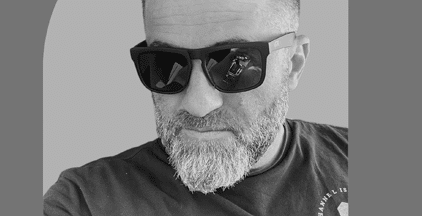
“We equally try to solve our client’s problems as well as our own”
Stockholm, August 21st, 2019

Founded back in 2002 in Sweden, Sphinxly is one of the oldest digital creative agencies in Stockholm. It focuses on selling design, SEO and optimal conversion flows, developing thoughtful and responsive websites that also are innovative.
The agency has worked since day one with many companies from around the world, helping them with their digital presence. Behind that work, Robert Edvardsson, head of digital strategies, has played a key role.
In an interview with TIA, Edvardsson goes through the history and features of Sphinxly. He highlighted the need to spend time with customers and motivating and developing talent at the agency, also describing how his role has changed throughout the years.
Could you describe your agency in a few words?
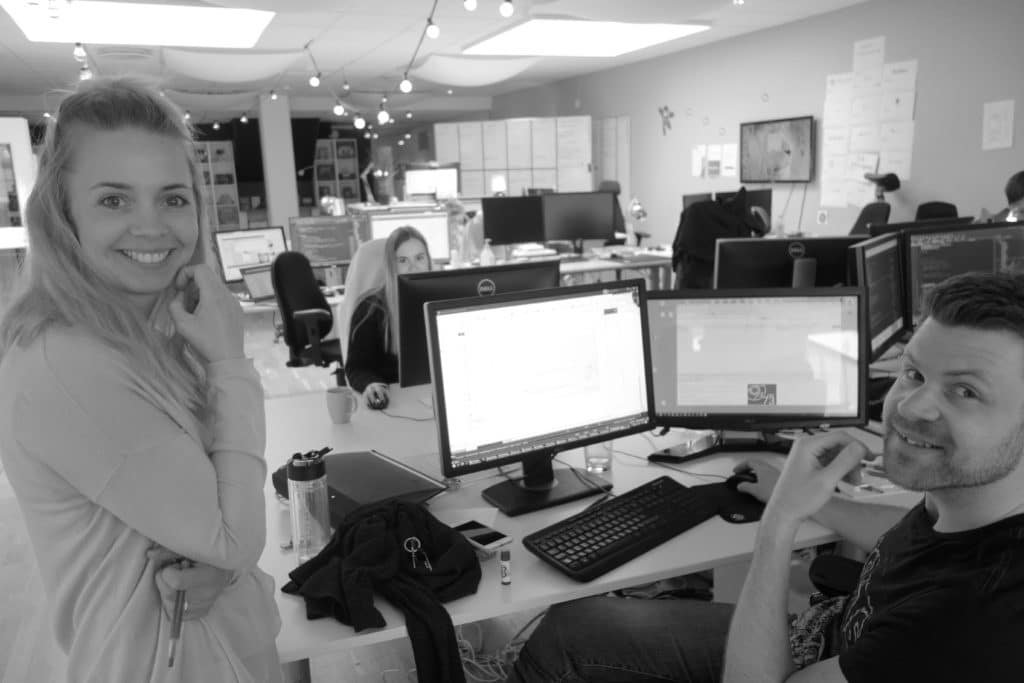
Sphinxly is an old school digital agency devoted to helping small business creating awesome, unique and result-orientated websites. We are 15 experts in various fields such as digital design, SEO, conversion, back-end coding and usability in our Stockholm headquarter.
We’ve been in business since 2002 and have helped over a thousand clients reach their vision and goals using our own custom CMS and hosting solutions for optimal security, flexibility and ease of use of the day-to-day maintenance.
What important experiences have brought you to where you are today?
Having been in business for so many years has given us a lot of perspective of how the web and use of digital communication and information-seeking has changed over the years. To always reevaluate and never settle we’ve been able to not only stay on top, but to be a front runner in the digital design community in Sweden and always try to find the unique and optimal balance between design, conversion, SEO and usability – and doing so without making sites that just look like ”everything else”. Keep it easy, fresh and focused is our motto!
What are the things you like and dislike from your position?
Digital communication changes quickly and it’s getting harder for the purchasers to actually know what they want and need at this point.
Should investments be poured into Marketing Automation strategies, Social Medias, SEO/SEM or other outlets? What’s the purpose of the website in the digital marketing mix for 2020 and moving forward? What resources do the client have for updating and content creation – and can they sustain it? The internet is a powerful tool and it’s always evolving.
How do you know that you are leading and leading well?
Getting praise from clients who reach and surpass their goals with a limited budget, having a backlog of clients who wish to work with us thanks to previous jobs and having happy employees who enjoy our day-to-day and love being involved in our journey in a niche market where talent usually is heavily head hunted – is as good a marker as any that we are doing something right.
We have since the beginning never actually had any sales staff, so our future jobs depend on us doing a great job today. I think that’s something that really drives us forward.
How much time do you spend with customers?
We try to always meet with our clients face to face and spend the time needed to really understand their needs and visions. Usually we give our customers a few questions to think over before our meeting to make sure they get the most out of it.
When a project starts, we really need to have their goals in terms of ROI, corporate image, content and structure down. When we have all the information we need we usually meet or talk every other week to discuss progress and look at design ideas/adaptions until the design is approved and the coding is tested and up and running.
We then usually talk/meet once per 3-6 month to discuss future development, results and changes to keep the sites “alive” and relevant moving forward. If we help a client with content, we usually set up a content-calendar for three months at a time and touch base every other week or once per month.
What is your approach to motivate and develop talent at the agency?
Setting up small teams where everyone can learn from each other, having specific days of the week designated for personal projects and development and new ideas – and taking the time to interact and let the whole team be a part of our journey and way forward I think really has made a huge impact in our corporate culture and help everyone stay motivated.
But this is hard stuff. Existential even. Some people know who they are and what they want out of life but most today don’t. We try to have a friendly atmosphere where everyone can speak up – and if someone wants to try something new – we’ll I’m all for it. We also have a team-breakfast once per week, massage at the office every other week – the obligatory ping pong table and a VR-rig – all the usual “nerd stuff” I suppose.
Do you focus more on problem-solving or on opportunity creation?
I think we equally try to solve our client’s problems as well as our own, as well as try to “up their” game by being creative and coming up with new ideas for how users should interact with our client’s websites. It’s no set formula – we try to just use our experience and common sense and strive to be better each and every day.
What piece of advice would you give to a recent grad looking to work in the digital industry?
Do what you love and try to niche yourself to one or a few technologies in the beginning until you’re really good at it. Today everyone wants to do everything, but there are way too many skills and technologies available for you to win at everything, unlike when I started myself back in the 90s.
If you want to be a digital UX designer – try to be the best designer possible. If you want to do front-end and JS, learn and be the best. Back-end? The same. Pick one technology and be best at it. React, Angular, whatever – it doesn’t really matter. Also – if you want to work in an agency – try to learn to understand the clients’ needs. That’s one of the most important lessons out there.
Try to put yourself into the customer’s shoes. They have a business. They are good at what they do – they do not know web (possibly) – they don’t have a lot of time to answer stupid questions. They just want results and someone who listens and understands. Be that guy and you’ll be a digital hero.
Thanks Robert!
Follow Robert Edvardsson on social media:
LinkedIn
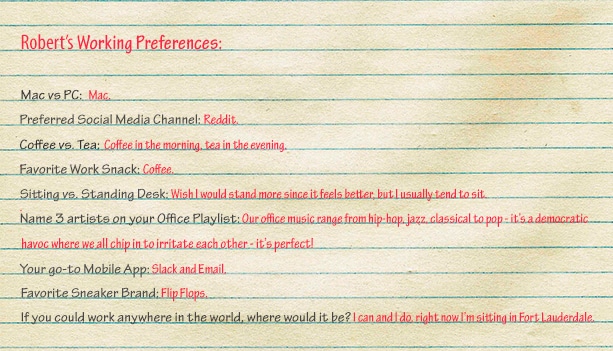
Robert’s Working Preferences:
Mac vs PC:
Mac
Preferred social media channel:
Reddit
Coffee vs. tea:
Coffee in the morning, the in the evening
Favorite work snack:
Coffee
Sitting vs. standing desk:
Wish I would stand more since it feels better but I usually tend to sit
Name 3 artists on your office playlist:
Our office music range from hip-hop, jazz, classical to pop - it's a democratic havoc where we all chip in to irritate each other - it's perfect!
Your go-to Mobile App:
Slack and Email
Favorite sneaker brand:
Flip Flops
If you could work anywhere in the world, where would it be?:
I can and I do, right now I'm sitting in Fort Lauderdale
Agency to watch

Best in Breed since 1998. Lounge Lizard is a Digital Agency that Specializes in Brand Strategy, Website Design, Web Development, Mobile APP Development, Online Marketing, Social Media, Ecommerce, and SEOdigital experiences that move brands and businesses from now to next.
Featured agencies

135037 Views

115590 Views

109357 Views

91839 Views

88318 Views

83116 Views

74742 Views

61549 Views