“All the magic happens when designers and developers work hand-in-hand”
It’s important that designers and developers join forces from an early stage
 Amsterdam, November 22nd, 2023
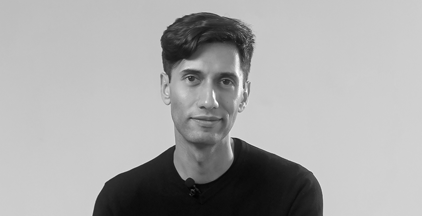
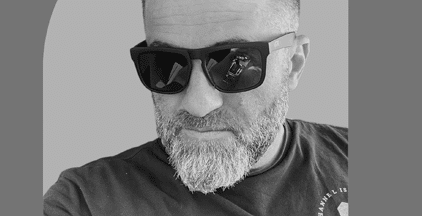
Sebastian, also known as Xi Bass Tihan, is the Design Director at XBT/® Studio, his own design agency in Amsterdam from where he works with clients from around the world. He started XBT/® Studio in late 2020 after working for other agencies in Europe. Now, he spends his days working on projects that he cares about and that can make a difference.
In an interview with TIA, Sebastian described his day-to-day activities as a freelancer and explained how he balances the creative aspect of design with the practical requirements of a project. Also, he shared experiences where he was able to push the boundaries of traditional design practices and gave examples of trends that he finds especially exciting.
Can you tell us a little about yourself and the journey that’s led you to where you are now?
I’m a designer originally from “Djævleøen” in Denmark. I run a freelance design practice from Amsterdam where I work with clients worldwide on everything digital.
I’ve always had a keen interest in design and knew from an early age what I wanted to do. I wasn’t necessarily sure about my exact path in the beginning but started pursuing a career in digital design almost immediately after having graduated from design school.
Back then, I was interning at an advertising agency in Copenhagen. That was my first professional encounter, everything was new and I went to work wearing my yes hat. It wasn’t the best place to work in terms of culture – and being the only design intern the studio had ever hired, I got to deal with all sorts of everyday tasks. But the experience taught me a lot about problem solving and learning by doing.
After graduating, I found an Italian digital agency who seemed to do things differently, in a good way. I got the job and moved to Italy – in fact my first time also visiting the country – and lived there for just about two years. It was a big step out of my comfort zone but our common language was in digital. Working in different places with different people helps you to see things from other perspectives or new angles. I recommend it to anyone. It’s a career milestone I continue to carry out.
In 2017 I moved to Amsterdam to join Resn as an interactive designer. It was a big achievement for me as Resn is amongst the best in digital. Every output seems to outrule the previous one in terms of creativity and flexing dev muscle. And it’s interesting to see how they’ve stayed true to their somewhat anonymous identity throughout the years.
In late 2020 I started my own design studio.
Are there specific places or experiences in Amsterdam that you would recommend to people visiting for the first time?
There are so many cool spots to visit or hang out. I’d recommend seeking out of the mainstream and into something a little different. Move away from the centre traps and check out neighbourhoods in Noord, Oost or West, take a stroll through one of the parks or along one of the endless canals. That’s when you get to see the real city.
What is a typical working day for you?
I like to start my day with a bang. I exercise in the morning which helps me to clear my head and get ready for the day. My working day kicks-off around 9-10am. As I’m usually tied in with different time zones, there are tasks that need attention before the actual work begins.
During the day I like to run deep work sessions to get work done and set goals to make sure things happen on time. That time is focused on diving into anything from concept, art direction and user experience, to user interface, motion or prototyping. I also add a few breaks here and there, go for a walk or take time for a proper lunch. Luckily I have a standing desk and it naturally makes my day feel more active.
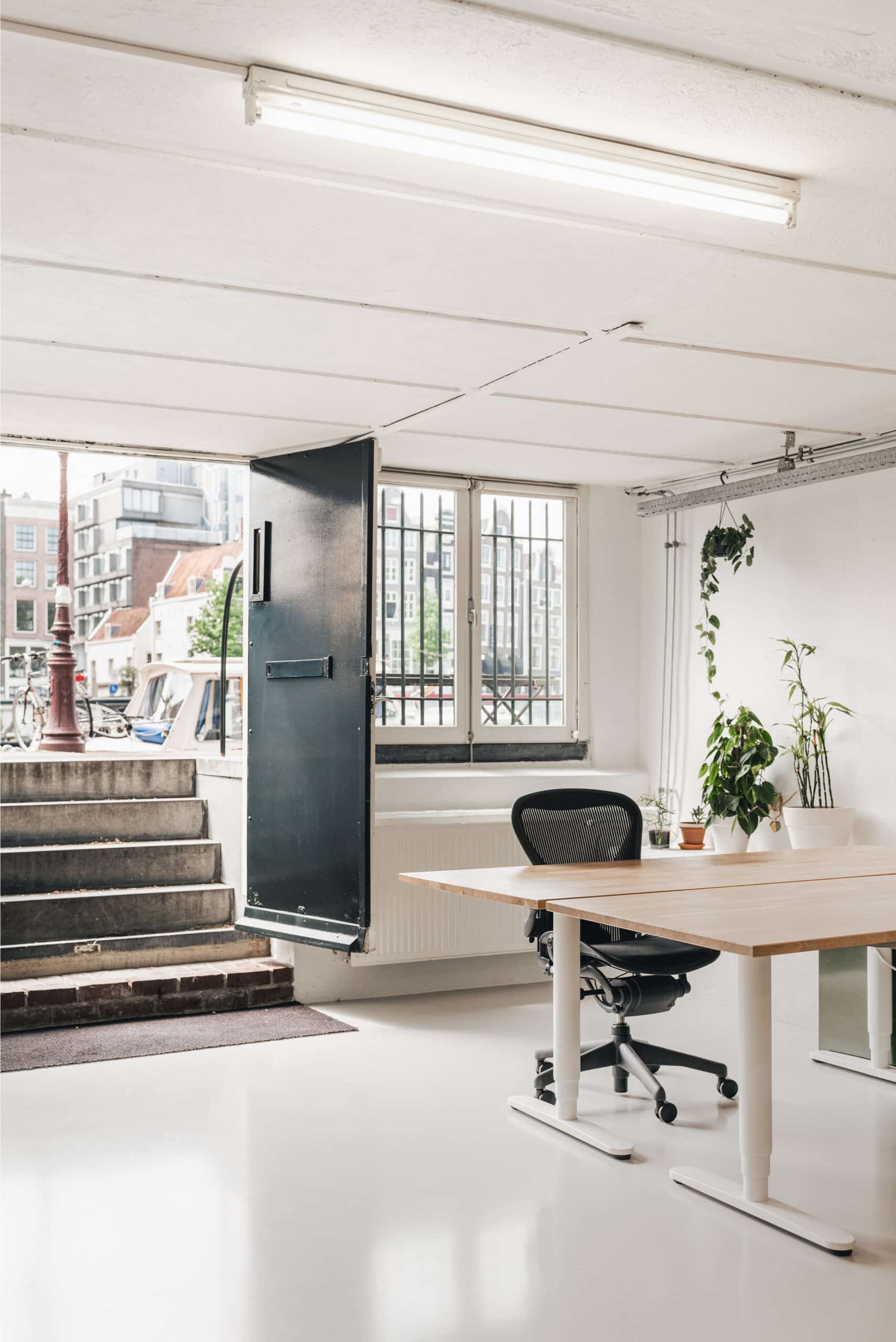
I share an office with other creatives. It’s valuable being able to exchange ideas or get a fresh pair of eyes on your work, especially as a freelancer. We all work within different disciplines so to get opinions from various angles is unique.
I wind up by 7-8pm depending on workload.
How do you approach selecting clients and projects, and what criteria do you consider when taking on new work?
It has to be inspiring. If a project or brief doesn’t make me feel something right off the bat, I’ll look for something else. And it needs to have a purpose. I want to feel what I’m contributing is part of something good. It should be work that I want to talk about and be proud of.
The truth is that the stars don’t always align and it’s hard work to find projects that tick all your boxes. That said, I’m grateful for having built long-lasting relationships with inspiring clients where mutual trust works as a driving force.
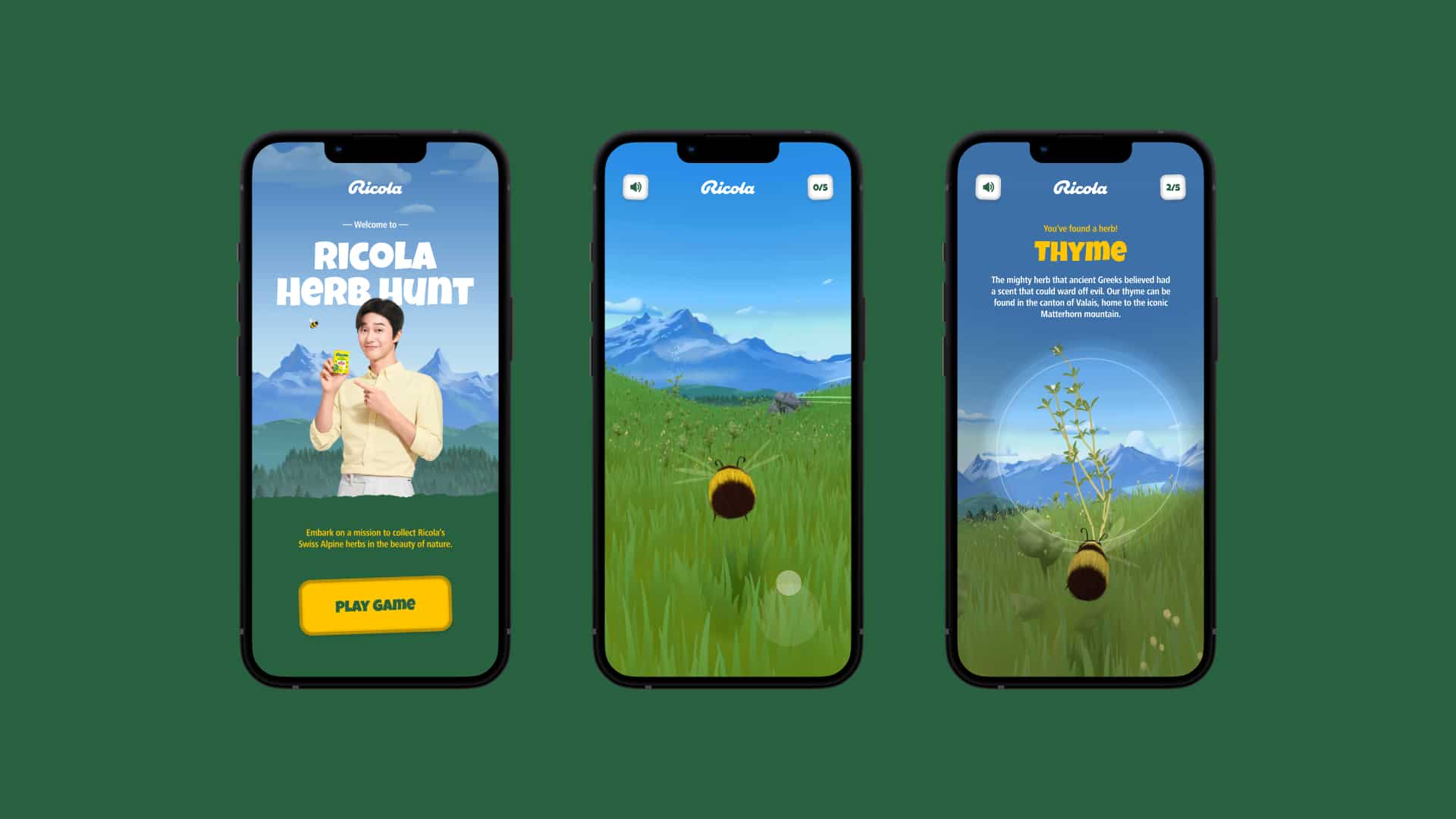
When rebranding or refreshing an established brand, what steps do you take to preserve its existing identity while infusing fresh, relevant values?
I start with research. I want to get deeply familiar with the brand and recognise the “problem” from their perspective. Then take it all apart and put it back together piece by piece.
I worked with Instagram on their latest brand refresh, which sought to update their existing identity while still retaining the brand recognition of the Instagram heart. Together, we explored ways to enhance the grounded gradient identity and to incorporate motion design.
Motion design has proven to be an output winner in introducing various styles and breathing new life into every project.
Creative coding often involves collaboration between designers and programmers. How do these collaborations enrich the creative process, and can you provide an example of a successful collaboration you’ve been a part of?
All the magic happens when designers and developers work hand-in-hand. There’s no way to produce the work I want without that cross-disciplinary approach. Teamwork is crucial for every outstanding piece of work.
Resn was all about the balance of code and design. Most projects consisted of small, dedicated teams, one team from start to finish. It’s important that designers and developers join forces from an early stage – it’s ideas that matter, not your title.
As a designer, you should already have a broad understanding of technical boundaries and which buttons to push. Everything is possible and ideas shouldn’t be limited.
Could you share any experiences where you were able to push the boundaries of traditional design practices to create innovative and engaging user experiences?
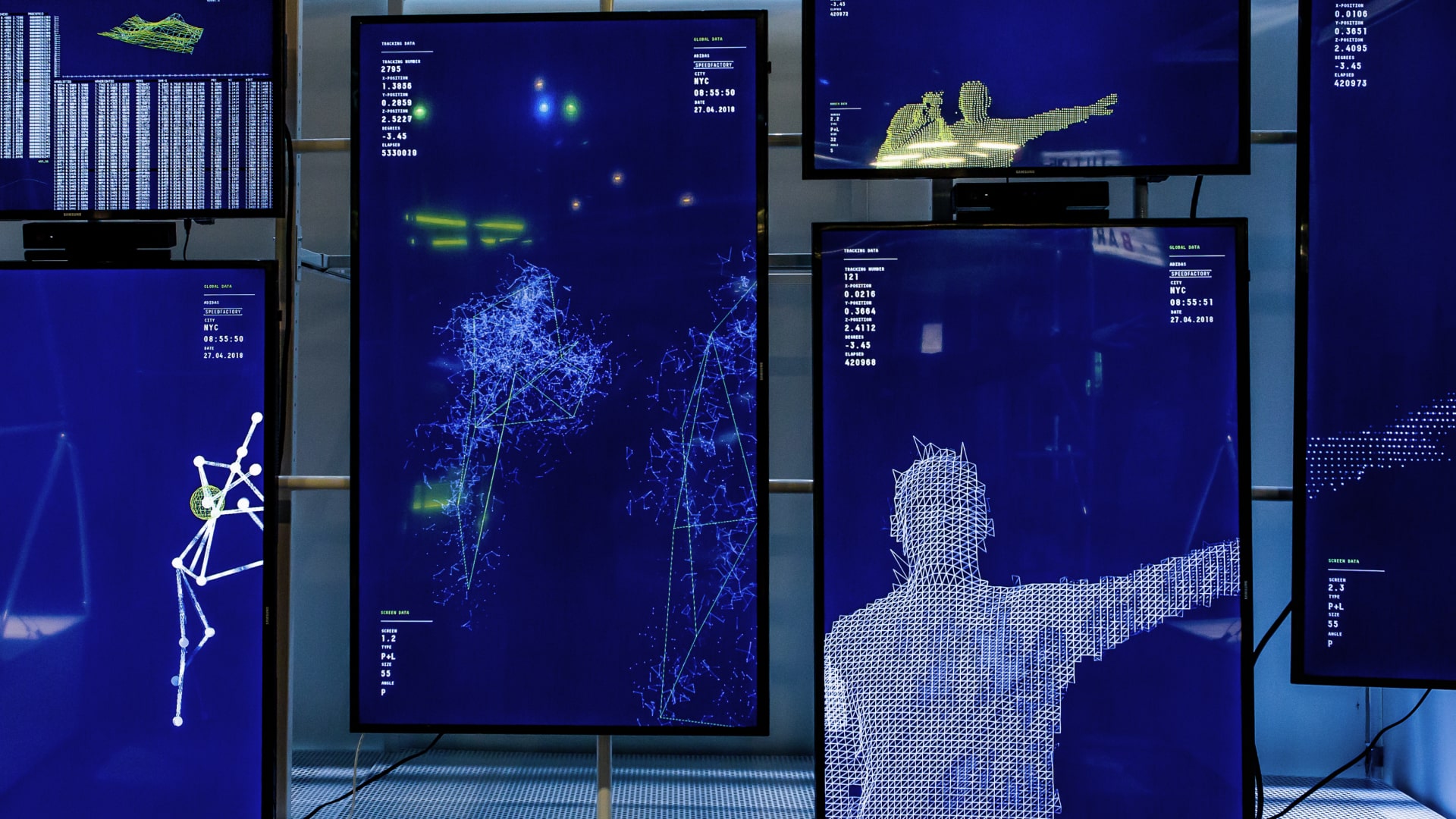
Adidas Speedfactory is still a favourite. A global touring activation showcasing high-tech, data-driven footwear and its manufacturing process. The setup was a modular scaffolding system with shipping containers that could be packed down readily to travel to the next location.
Visitors got a unique barcode to access multiple small installations within the site. These included a kinect wall, photo booths, foot scanners, a run test, an interactive shoe experience and custom Adidas sneakers.
The project touched on many disciplines and took design thinking way beyond the screen. It felt like equally blending the digital with the physical. I was part of the team who assembled the Tokyo edition and was responsible for all camera instalment, poster designs and screen animations. To see how people interacted with designs I took part in creating, on such a big scale, was a big career highlight.
How do you balance the creative aspect of design with the practical requirements of a project, such as client needs and deadlines?
A good client relationship is everything. If there’s a shared vision and you trust each other, buckle up for a joyride. It’s a process and you are going somewhere with a destination in mind. Clients know what they want, but balancing the creative with the practical moves in unnatural rhythms. That’s normal. Try not to look at deadlines or client needs as limitations. It’s important to have deadlines to reach goals. Flip it over and have fun with it.
Are there any emerging design trends or technologies that you find particularly exciting or influential in today’s design landscape?
“Trend” is barely quantifiable, it’s a thing that’s in constant rotation. I believe one should not be afraid of breaking design rules and trends. If you want to stand out in the creative sea you must go beyond trends. We should rather be thinking, “What’s the Next Big Thing” and start innovating on our own.
It’s thrilling to see how AI is evolving. I’m amazed by how fast people have adapted to AI and incorporated it into their daily lives, the benefits it possesses and the places it promises to go.
What’s the next skill you plan on learning?
A combination of 3D and visual effects. Getting more familiar with Blender, C4D and Houdini.
Three top tools you can’t live without?
Brain, hands and legs.
What’s your preferred way of dealing with distractions while working?
Distractions are around us all the time, it comes and goes. Everybody has their own routines. I find myself being able to cancel out most noise when it really matters – especially during deep work sessions. And for that headphones are a way of hopping into your private bubble. As our studio speakers are always busy throwing tunes, I find it important to retreat into my own musical wonderland sometimes.
I take regular breaks throughout my day to ensure max productivity and keep a fresh mind.
Were there any books, movies, or works of art from your early life that left a lasting impact on you or fueled your imagination?
I went to a Wim Crouwel exhibition at the Design Museum in London many years ago, which I think is now a permanent part of their collection. It blew my mind back then. It still does. It was fascinating to see his logical yet experimental approach to his work. His work for Joy Division especially feels pivotal. I left that exhibition wanting to study design even more.
Where do you go if you want to get inspired?
I can’t force inspiration. But to help it I go outdoors, dream, see friends or listen to a piece of music (active listening). Take a step back and explore away from the screen. I seek inspiration in magazines, art, sound, architecture, photography, cinema or real-time motion. Inspiration can come from many things and can be found in literally anything.
From your personal standpoint, what is the greatest challenge of our time?
To fight war crimes.
Can you name a fun-fact people would be surprised to learn about you?
I cut my own hair.
Sebastian’s Working Preferences:
Early Bird or Night Owl?:
Night owl
Food you can’t live without:
Italian
Most quoted book, TV Show or movie:
Twin Peaks
Next travel destiny in your list:
Berlin
Favorite type of weather:
Warm and partly cloudy
Preferred spot in your town:
Home
Favorite video games:
GTA, SSX, Warcraft, Counter-Strike. Special shoutout Playdead!
Unusual Hobbies:
Running an online record store
What is something on your bucket list that you haven't done yet?:
Los Angeles
Thanks Sebastian!
- Learn more about XBT Studio
- Follow Sebastian on social media:
- Follow XBT Studio on social media:
Agency to watch

Best in Breed since 1998. Lounge Lizard is a Digital Agency that Specializes in Brand Strategy, Website Design, Web Development, Mobile APP Development, Online Marketing, Social Media, Ecommerce, and SEOdigital experiences that move brands and businesses from now to next.
Featured agencies

135035 Views

115587 Views

109355 Views

91837 Views

88316 Views

83114 Views

74740 Views

61546 Views