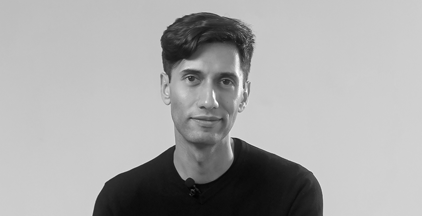
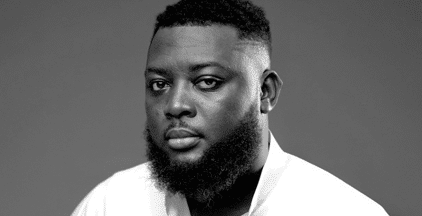
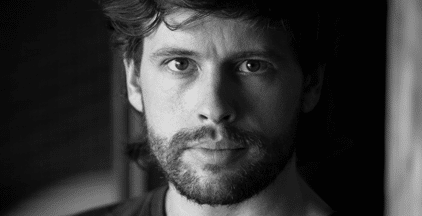
“We choose organic collaborations rather than rigid rules”
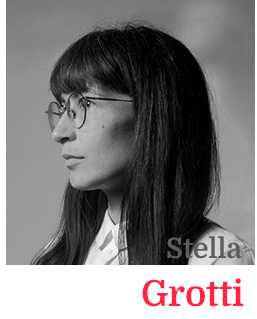
Stella Grotti is the Digital Art Director at monopo, based in London
 London, October 6th, 2022
Monopo is a Tokyo-born creative agency delivering design-driven solutions through digital experiences, branding, advertising and video production. It started in Tokyo in 2011 and since then expanded to London, New York and Saigon. With agrowing community creatives and producers, monopo challenges the barriers of language and culture.
Stella Grotti is the Digital Art Director at monopo, based in London. In an interview with TIA, Grotti described her background in philosophy and how it has influenced her career as a designer. She listed the features that make monopo stand out and also went through the research methodologies that give her greater insight.
To kick things off, could you tell a little about where you live?
I’m currently living in South West London, and one must-do experience on this side of the river is cycling along the river all the way to Richmond Park, or at least to Hammersmith. Even if you’re not super into sports or physical activities, like me, it’s definitely worth the effort, especially in Spring when days get longer and you can stop along the way for a late afternoon drink overlooking the river.
You completed a degree in philosophy. In your opinion, how is this approach related to designing interactive experiences?
It took me a while to understand and really own this, but for me design is one of the possibilities to investigate and translate the abstract philosophical concepts that I’ve studied into a beautiful and stimulating language.
In fact, I studied theoretical philosophy and graduated with a thesis about the relationship between neuroscience and philosophy. The cognitive relationship between subject and object, investigated by cognitive science and theoretical philosophy, is a very important aspect for the design process as well. In fact, every time we conceive and design a product (object), whether digital, physical or editorial, we always keep in mind how the user (subject) could receive it and interact with it.
How would you describe the creative culture of Monopo London?
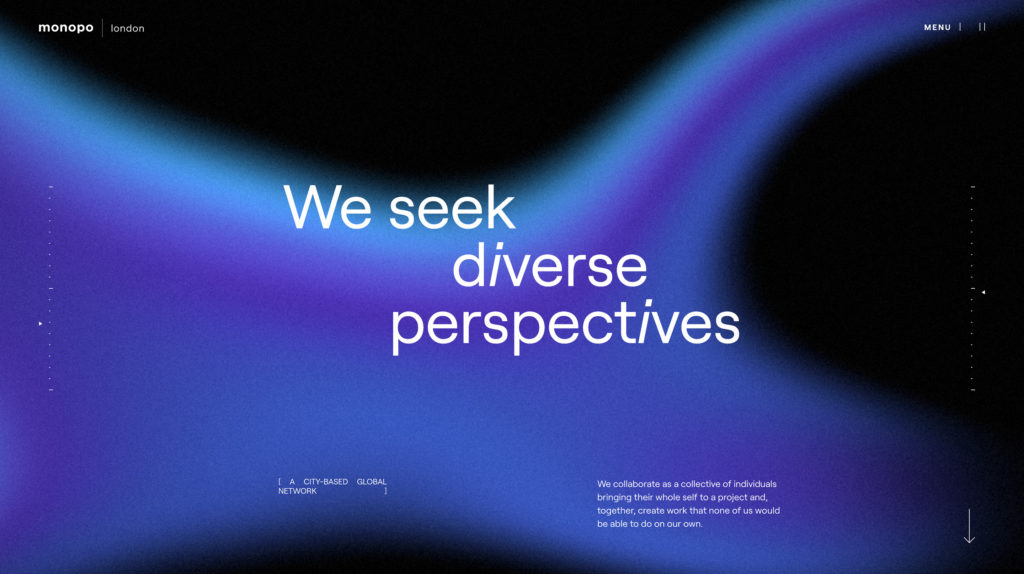
The best way to describe monopo’s culture is as collective creativity, which means a collaboration between diverse creatives grounded on the respect of each other’s individuality. Another peculiarity of monopo is the fact that it’s a spirit-driven agency that chooses organic collaborations rather than rigid rules and processes that could stifle creativity. This way of working enhances spontaneity between different individuals who can bring their own perspectives and skills to a project that wouldn’t otherwise benefit from. This is reflected also in the workplace environment, we are all nice people that respect and help each other, always up for having some fun together.
Where did you draw inspiration from to create the agency’s portfolio?
The inspiration for monopo website came quite naturally from the brand identity, designed by my talented colleague Mason El Hage, reflecting the company vision previously set by Melanie and Mattijs, the two monopo london co-founders.
For the website, I’ve spent quite some time exploring, researching and experimenting but the real turning point came when I decided to stop researching by shutting down Pinterest and Instagram, and started playing with After Effects until I found what seemed to resonate the most with the company philosophy.
What is the guiding principle behind your digital design?
I always try to do something that is truthful to me. It hasn’t always been easy to get rid of the “client’s voice” in my head, or to ignore that first instinct that tells you to follow the safest path that will please everyone. This habit probably originated from my previous educational environment, which made me want to just fit in and make everyone happy. But at the same time, something that I’ve brought with me from my unconventional background is definitely to be loyal to who I am. Which is why I’ve learned to allow myself to explore, and to try and push boundaries even if it means making mistakes, as long as what I’m designing and creating is something truthful to me and my vision.
What research methodologies give you greater insight?
One of my former bosses once suggested looking for inspiration outside of the digital world. He also told me that web developers are meant to find solutions for the designer’s idea and not the other way around. As simple as they may seem, these are two pieces of advice I keep going back to. It helps me to stop blindly following trends and disregard technical limitations during the creative process.
Also, by working closely with talented and inspiring brands and designers, I’ve learned how invaluable the conceptual phase is, at the beginning of the design process. It will strengthen any future design choice, and provide a solid base for a coherent development.
What would be your dream interactive design project or collaboration to be a part of?
Being a fan of many series and films, I’d love at some point to take part in a promotional interactive campaign for a new release, especially if it would be a multi-medium output, similar to what we did at monopo for “The Art of Film” campaign by Canada Goose.
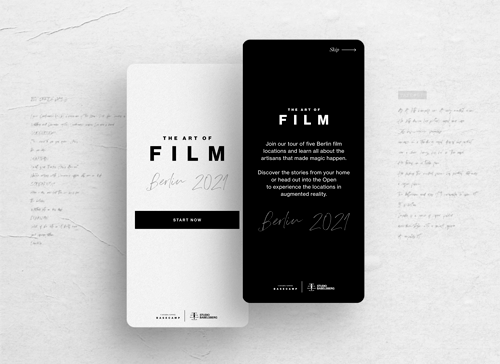
In addition to that, I’d love to do more projects with fashion brands. I feel that fashion is a field where new technologies and aesthetics create a really stimulating language, allowing the individuality of the talents involved to emerge with more freedom.
Do you think someone can get into the field without educational experience in a school environment?
It’s not impossible, but getting started in the field without any background can be very difficult. There are many ways to learn the tools of the trade, for instance I took a design course while I was doing a non-design job after my graduation in Philosophy. It was a great experience but in my class we all shared one thing: we lacked the time to approach things with naivety and to allow mistakes to happen, as we were all working other jobs and were hungry to learn as much as possible as quickly as possible.
Having a safe space where you can understand your mistakes and the possibility to see how other people find solutions is really important. Usually this is what is now offered in many junior positions, luckily. So if a young creative wants to jump right in the field, my suggestion is to be a nice player, keep your eyes open, stay humble and try collaborating instead of competing. This is valid either way, with or without a field-specific education, and stays true even when getting up the ladder with more senior roles.
What’s the next skill you plan on learning?
I’ve started doing a bit of 3D during my downtime over lockdown but lately I dived into motion design, spending a lot of my time trying to learn as much as I could, so I think I’ll pause learning 3D until I’m confident with my motion skills.
Although it’s always quite challenging to learn new disciplines when working full time, it can also be very stimulating and rewarding.
In general, what role do you think designers have to play in building more-accessible societies?
There are two main issues around this topic: the role of design for society and the roles within the design industry. The digital designer’s duties more than ever now encompass a variety of new challenges regarding inclusivity, and it’s something I personally look forward to, as I believe that good design is primarily a language accessible to truly everyone.
The design industry itself, even if it has transformed and opened more to change than others among the digital industries, has a lot more left to accomplish. I’d love to see more members of the marginalized communities (women, people of color, LGBTQI+, to name a few) in every role of this field, and especially in leadership positions, which still seem to be filled by white men for the most part.
What do you usually do when you are feeling uninspired?
I’m glad you asked this because sometimes people tend to romanticize creative jobs and think that creativity is an uninterrupted stream of inspiration. This can be a very toxic stereotype because it doesn’t allow creatives to feel uninspired and enables unrealistic performativity standards which puts a lot of pressure on designers.
The truth is that creativity is not a linear process and taps into emotions more than other jobs. So, when it happens to feel uninspired and dull, like in every other job, it should be normalized, not considered being unproductive or lazy. I’d love to say that when I feel uninspired I log off and take a stroll looking for inspiration elsewhere, but there isn’t always time or capacity to do that. So when I feel stuck I always try to kick off conversations with my peers, seeking a different perspective, or trying to clarify my ideas by presenting them to others.
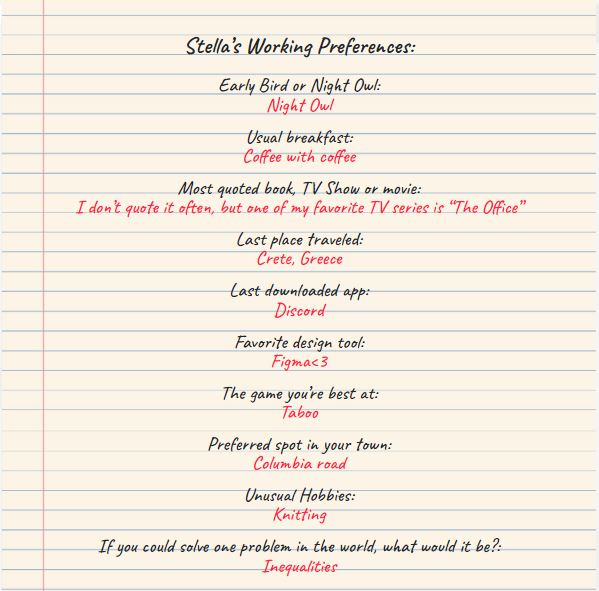
Thanks Stella!
- Learn more about monopo london at https://monopo.london/
- Follow Stella on social media:
Agency to watch

Best in Breed since 1998. Lounge Lizard is a Digital Agency that Specializes in Brand Strategy, Website Design, Web Development, Mobile APP Development, Online Marketing, Social Media, Ecommerce, and SEOdigital experiences that move brands and businesses from now to next.
Featured agencies

135040 Views

115591 Views

109358 Views

91841 Views

88321 Views

83116 Views

74743 Views

61550 Views