“The Best Strategy Is Human at the Core and AI-Powered at Scale” — Jude Zander Quiroz on Balancing Creativity, Data, and Local Contexts
AI is powerful for ideation and optimization, but the real value is when it’s used to enhance human creativity, not replace it
Singapore, 29th September 2025
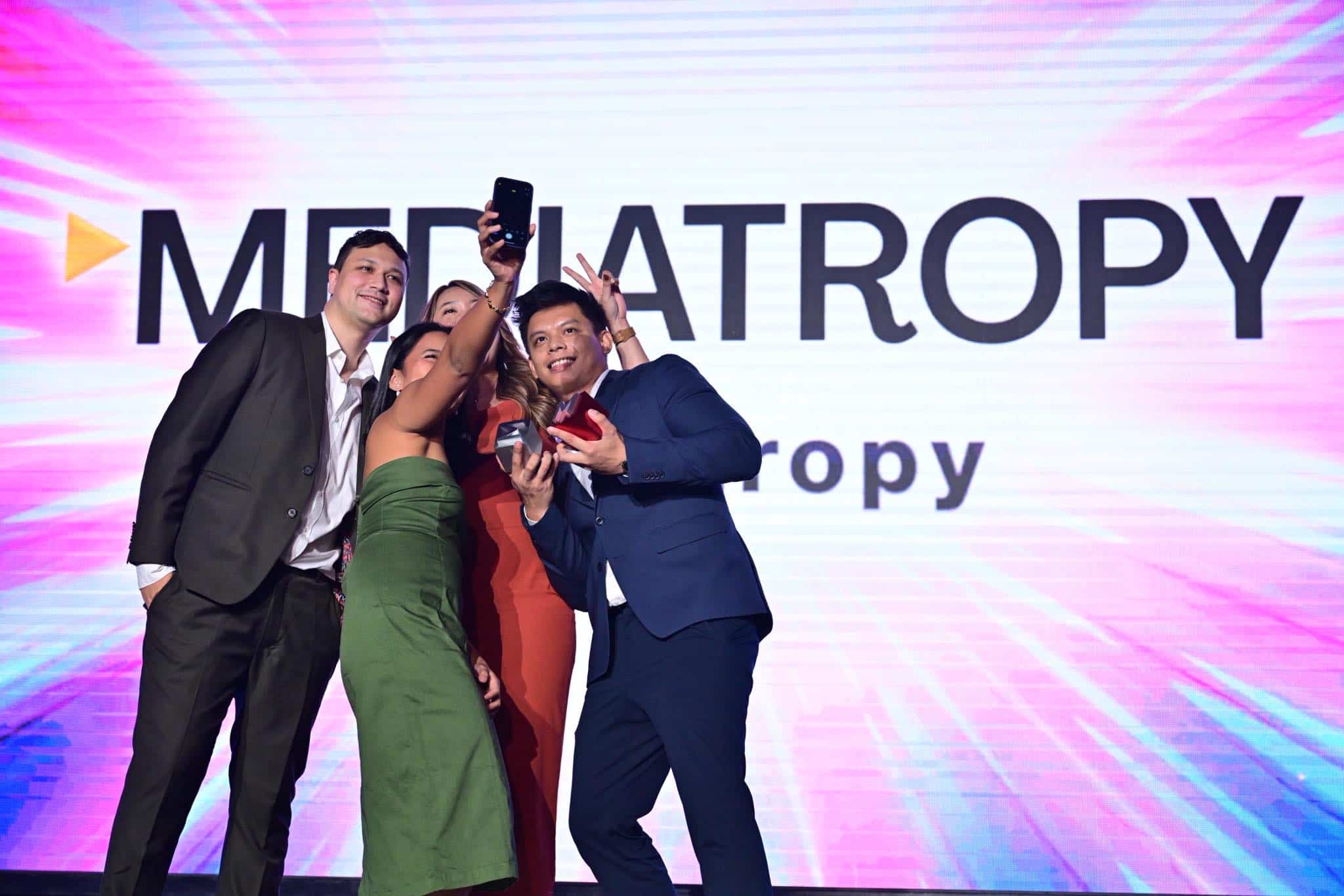
 Mediatropy is an independent full-service digital agency headquartered in Singapore, dedicated to helping brands tell their stories to the right audiences. With over 200 clients across Asia, the agency offers media planning, content marketing, and digital strategy services that are platform-neutral and results-driven. Mediatropy is especially known for its strong presence in the hospitality and luxury sectors, crafting engaging digital experiences that boost customer lifetime value and drive measurable business growth.
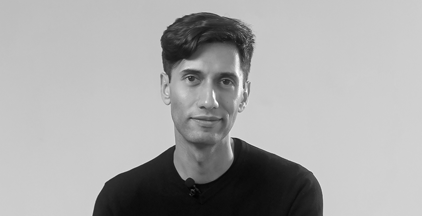
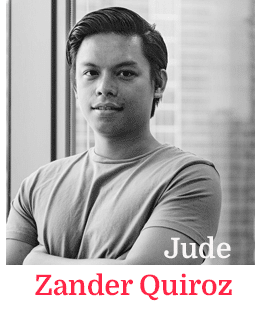
In this conversation, we meet Jude Zander Quiroz, Group SEO Director and General Manager PH at Mediatropy. With more than a decade of experience in digital marketing, Jude has worked across agency and in-house roles, helping brands scale organic growth across APAC markets. His data-driven and strategic approach to SEO is matched by a deep understanding of content and technical optimisation, making him a key player in Mediatropy’s regional success. From his early days in the Philippines to leading multi-country teams from Singapore, Jude brings a holistic and human-centred perspective to the evolving world of search.
Let’s start with your story. You were born in the Philippines and are now based in Singapore. What inspired your path into digital strategy, and how did your journey evolve across markets?
I started my career in the digital marketing space in the Philippines, where I built my foundation in understanding how brands connect with audiences online. Not long after, I was invited to Singapore to join Rocket Internet during the exciting early days of Zalora and Lazada. That move really shaped my career. It gave me first-hand experience in building digital strategies for fast-scaling businesses and exposed me to a truly regional market.
Since then, I’ve called Singapore home for about 15 years, working across some of the leading agencies here, including Dentsu, and managing boutique agencies in both Singapore and Malaysia. These experiences gave me the chance to work with both global brands and emerging businesses, which really sharpened my perspective on how strategies need to adapt across different markets and cultures.
Today, I’m the Group SEO Director/General Manager PH at Mediatropy with a team spread across six countries. My role allows me to bring together everything I’ve learned from the startup hustle to the big agency networks to build strategies that not only drive performance but also resonate with diverse audiences across Asia and beyond. What’s inspired me throughout this journey is seeing how digital has evolved from being just a channel to becoming the core driver of business growth.
As Group Director at Mediatropy, what does a typical day look like — and how do you balance operations across such a wide regional footprint?
As Group SEO Director at Mediatropy, no two days are ever the same, but I’d say my role is a balance of strategy, operations, and people leadership. A typical day often starts with reviewing performance updates from our different markets, making sure client KPIs are on track, and aligning with my managers on priorities. From there, a big part of my focus is on guiding the team through complex technical SEO challenges, developing content strategies tailored to each market, and identifying new opportunities where SEO can drive growth for our clients.
Because my team is spread across six countries, balance is really about structure and trust. We have clear processes in place to ensure consistency, but at the same time, I empower managers to adapt strategies based on cultural nuances and market realities. My role is to connect the dots—to ensure we’re sharing knowledge across borders, maintaining a high standard of delivery, and giving each team the space to execute in ways that make sense locally.
Mediatropy serves clients in seven markets. What makes crafting search strategies across so many cities both a challenge and an opportunity?
What makes it exciting is also what makes it challenging. Each of the seven markets we serve has its own search landscape, cultural context, and consumer behavior. A strategy that works brilliantly in Singapore may not resonate the same way in Thailand or Vietnam. So the challenge is in balancing consistency while localizing the approach to fit each market.
That’s also where the opportunity lies. Having this regional footprint means we’re able to see patterns across markets, spot emerging trends earlier, and transfer learnings quickly from one country to another. Ultimately, it pushes us to think beyond one-size-fits-all SEO. We get to craft strategies that are both globally aligned and locally relevant, which not only drives stronger performance but also deepens the connection between our clients and their audiences.
How do you approach content planning for regional and global brands with diverse audiences and local nuances?
We start with the brand’s global story as the foundation, then layer local insights on top. We use search data and audience trends to understand what resonates in each market, and work with local teams to adapt tone and messaging. The goal is a flexible framework—one unifying theme, but tailored execution per market. That way, content isn’t just translated, it’s transcreated to connect authentically with diverse audiences.
In your experience, what are the most important metrics today when measuring the effectiveness of an SEO strategy?
The most important metrics today go far beyond rankings. I focus on organic traffic quality, conversions, and revenue impact. Ultimately, it’s about whether we’re reaching the right audience and driving measurable business outcomes.
What’s evolving is how we apply AI to these metrics. AI allows us to uncover intent patterns, forecast traffic with greater accuracy, and even model how SEO improvements translate into revenue. The fundamentals remain the same, but with AI we can now connect SEO more directly to business value.
Content is central to SEO. What principles guide your content creation approach to ensure it performs while still sounding human and brand-aligned?
Strong SEO content starts with relevance and intent—making sure we’re answering what the audience is actually searching for. From there, it’s about quality over volume: clear structure, depth of insight, and content that adds real value.
Equally important is keeping the content human and brand-aligned. That means respecting the brand’s voice, weaving in storytelling, and ensuring the writing feels natural, not machine-generated. We use AI to support research and optimization, but final content always goes through a human lens to preserve authenticity.
How do you approach technical SEO in 2025—especially when balancing performance with storytelling and UX?
In 2025, technical SEO is really about making performance invisible to the user. Search engines reward sites that load fast, are mobile-first, and frictionless—but so do audiences.
The balance comes from close collaboration—SEO, UX, and content teams working together so the site is both technically strong and emotionally engaging. At the end of the day, a story won’t land if the page doesn’t load, and a fast site is meaningless if the content has no soul.
Let’s talk AI. Where do you see the biggest opportunity right now for AI to support (or supercharge) SEO work?
The biggest opportunity for AI in SEO right now is scaling intelligence, not just output. AI can supercharge research—from clustering keywords to predicting how search demand will shift—and it’s transforming how we forecast ROI and prioritize actions.
On the content side, AI is powerful for ideation and optimization, but the real value is when it’s used to enhance human creativity, not replace it. For technical SEO, AI-driven tools can already detect issues at scale and even model how fixes will impact performance.
Are there any common misconceptions about AI in SEO that you often come across?
A common misconception is that AI can replace SEO—that you can just generate content and rank. In reality, AI is a tool, not a strategy. It can accelerate research and content creation, but without human judgment and a solid strategy, it often leads to generic or even harmful results.
Another misconception is that AI gives instant wins. Like SEO itself, it’s about refinement and consistency. The best results come when AI is integrated thoughtfully into workflows, supporting creativity and decision-making.
What trends or search behavior shifts are you observing in Asia specifically that might surprise those outside the region?
One interesting trend in Asia is the rise of platform-driven search—people aren’t just relying on Google but turning to TikTok, Shopee, Grab, or even WhatsApp groups for discovery. Visual and voice search adoption is also faster here, especially in markets like Thailand and Indonesia. What might surprise outsiders is how fragmented and localized search really is.
Can you share an example where organic performance made a measurable business impact for a client?
One case that stands out is with a luxury hospitality group. We shifted their SEO strategy from brand-led to experience and F&B-driven content. As a result, we grew non-branded organic traffic by over 80% year-on-year. Bookings and revenue from SEO increased significantly.
When working across markets, how do you ensure consistency of performance while adapting to local needs and search patterns?
The key is building a global framework with local flexibility. We set shared principles around technical SEO, measurement, and brand voice, but give each market room to adapt based on language, culture, and platform preferences. That balance is what drives real performance gains.
For someone starting out in digital strategy today, what skills or mindsets do you believe will matter most in the years ahead?
The most valuable skill is adaptability. The platforms and algorithms will keep evolving, but the ability to learn quickly and apply insights is what makes a strategist future-proof. Also essential: curiosity, critical thinking, and comfort with AI and data.
Where do you see the future of organic discovery headed?
The future of organic discovery is moving beyond Google into a multi-platform ecosystem. People are searching on TikTok, Instagram, e-commerce, and AI assistants. Algorithms are also becoming more intent-driven and AI-powered, shifting focus to solving needs holistically rather than just ranking keywords.
Outside of strategy and analytics, what keeps you inspired or helps you reset creatively?
I reset creatively by exploring food, travel, and design. Photography and storytelling keep me curious. Often the best ideas spark outside of work when I engage with new perspectives.
Finally, can you share a fun or surprising fact about yourself that people wouldn’t expect to find on your professional profile?
I once considered becoming an architect. I’ve always been fascinated by how people experience designed spaces, and I think that’s influenced how I approach strategy: balancing structure with creativity.
Jude’s Working Preferences:
Early Bird or Night Owl?:
night owl
Usual breakfast:
oats and eggs
Favourite music genre or band:
old soul
A tech gadget you can't live without?:
classic soul
Preferred spot in your town:
quiet cafe
Favorite sneaker brand:
Nike
What makes a good day at work?:
A good day at work is when we solve problems, create impact, and still have a laugh along the way.
If you could solve one problem in the world, what would it be?:
If I could solve one problem in the world, I’d fix bad Wi-Fi — because world peace can wait, but buffering really tests humanity.
Thanks Jude!
Follow Jude on social media:
LinkedIn
Agency to watch

Best in Breed since 1998. Lounge Lizard is a Digital Agency that Specializes in Brand Strategy, Website Design, Web Development, Mobile APP Development, Online Marketing, Social Media, Ecommerce, and SEOdigital experiences that move brands and businesses from now to next.
Featured agencies

135040 Views

115591 Views

109358 Views

91841 Views

88321 Views

83116 Views

74743 Views

61550 Views