“Artificial intelligence will transform marketing”
Chicago, April 19th, 2019

Based in Chicago, United States, One North Interactive is multi- and inter-disciplinary digital agency with more than 20 years of experience in creating extraordinary brand experiences. The agency works with over 70 brands and has a staff of more than 90 people with a diverse background and skills.
One North is a full-service agency that works on digital strategy, brand and experience design and technology. As part of that work, Vinu Krishnaswamy has a key role to play as Solutions Architecture Director, working on technical architecture to solve business challenges.
In an interview with TIA, Krishnaswamy described his job at One North and the key role that data plays in a digital agency. At the same time, he highlighted the importance of Artificial Intelligence for One North and the impacts it’s having on the marketing industry.
Can you explain your role as a Solutions Architect?
As a solutions architect, I engage with our clients to define and develop technical architecture that solves their business challenges. This involves thinking through a client’s entire ecosystem and designing a technical solution that not only solves its current issues, but also allows the client to improve its capabilities seamlessly in the future.
A solutions architect is in a unique position to marry the creativity of experience design with the practical aspects of technology. My day-to-day responsibilities include collaborating with both the UX/UI and technology teams to define a solution that will help clients meet their business needs.
How do you use data during the design and development of a project?
Every client is different. Many professional services organizations can look the same from a distance, but all have a different story, as told through data. Data captures how their clients are engaging with them, both online and offline, and tells a story about their unique place in the market.
It is critical to review this data during the design and development phases of a solution. The data helps to understand what works (and does not), to identify the firm’s strengths and weaknesses and to determine areas of focus.
It is also important to continue to review the data to confirm our conclusions, even after the project ends. Markets and technologies change rapidly, and data is one of the first indicators of how clients/prospects interact with the firm’s brand. The organizations that use data as a way to drive continuous improvement are the ones that remain relevant in their customers’ eyes.
What metrics do you track for clients? Why are they important?
This depends on the project and the client’s goals, but common metrics we recommend tracking include: 1) how people are getting to your digital properties (such as through a website, an app, etc.), and 2) where people are leaving.
The former, measures the successes of your campaigns, and the latter identifies your weaknesses. By tracking how people reach your website, you can measure if they are finding you through the channels that you prefer (i.e. through campaigns, search engines, etc.). By tracking where people are leaving your website, you can understand and measure what is not resonating with them and find ways to improve.

How do you organize, plan and prioritize your work?
Every Monday morning, I plan key client commitments and set aside time to review industry trends. Second, I focus on smaller, but still important priorities. It is also important to rely on your team to help you accomplish common goals.
Would you consider analyzing data or information a strength? Why?
Yes. Data analysis is a required strength in today’s market. It takes away the “guessing,” gets you to a viable solution faster, and potentially saves resources by helping you avoid going down the wrong path. It is one of the key activities of understanding your clients and how they engage with your brand.
How do you keep up to date on industry trends?
I have tried a variety of channels, but podcasts and videos work best for me. Some of my favorites are Marketing Trends, HBR and Artificial Intelligence in Industry. There are so many good ones out there, and they are an easy listen on my commute into work. I also don’t have to look too far to learn from industry experts at One North. From digital strategy to design and technology, I work with cutting-edge thinkers who push the industry forward on a daily basis.
How can you tell when digital products use AI?
You shouldn’t be able to tell, to an extent, if AI is designed and implemented properly. Sometimes it is obvious – especially in customer service chats – but otherwise AI should seamlessly improve your experience with techniques such as personalization.

How is Artificial Intelligence changing marketing?
AI will transform marketing in two ways in the near future:
1) In reaching clients through different channels, such as voice and chat: Chatbots and voice assistants are natural next steps for brands to engage with clients. The user bases of these technologies are expanding, and brands are coming up with innovative ways to use them. Chatbots are growing from a customer service tool to a transactional tool (to place orders or pay for a product). They are also being used to help find key information in vast data sources. Voice assistants have become ubiquitous in our homes and make technology and information more accessible.
2) Content personalization to meet an individual user’s needs: Data, until now, has been used to understand the big picture of how users engage with a brand. With AI, the data can be quickly analyzed to understand patterns that an individual user follows and present content that he/she may be interested in without any human involvement. Truly personalized emails with tailored content can be sent to users at a time when they are most likely to open them. The limits are endless and exciting.
How do you choose the right AI platform for each project?
That is a very fair question given the number of platforms that have cropped up for a technology still considered in its nascent stages. The right platform depends on what you are trying to accomplish. Google, Microsoft, Facebook and IBM have all created platforms with their own key strengths and weaknesses. A client’s chosen platform depends on its goals, the platform roadmap and how it integrates with the company’s current technology ecosystem. Privacy and security considerations should play a key role, as well.
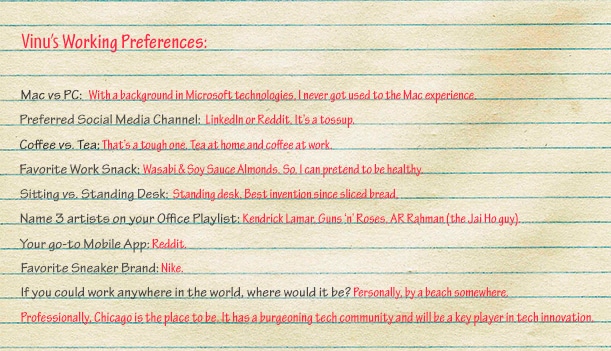
Thanks Vinu!
Learn more about One North Interactive
Follow Vinu Krishnaswamy on social media:
LinkedIn
Follow One North Interactive on social media:
Facebook
Twitter
Instagram
Linkedin
Agency to watch

Best in Breed since 1998. Lounge Lizard is a Digital Agency that Specializes in Brand Strategy, Website Design, Web Development, Mobile APP Development, Online Marketing, Social Media, Ecommerce, and SEOdigital experiences that move brands and businesses from now to next.
Featured agencies

135035 Views

115588 Views

109356 Views

91837 Views

88317 Views

83114 Views

74741 Views

61546 Views