“Design needs to be honest”
Human-centered design is paramount; every detail must serve a functional purpose and be analyzed from the user’s perspective
 São Paulo, July 18th, 2024
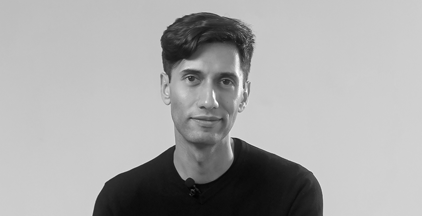
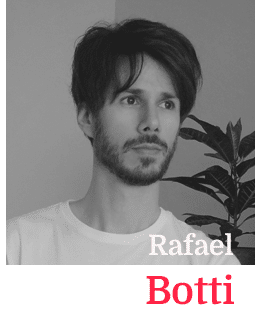
Bloquo is a digital design studio from Brazil specializing in creative interface and development solutions. Formed by designer Rafael Botti and programmer Ed Semprebon, co-founders of the Pianofuzz studio, Bloquo is always driven by creativity and seeks to build not just websites, apps and platforms, but digital experiences.
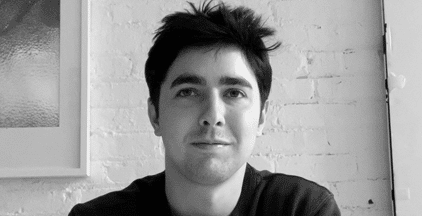
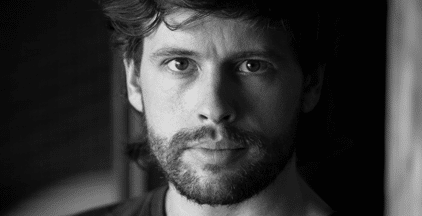
In an interview with TIA, Rafael Botti spoke about his life in São Paulo, working from home for Bloquo. He highlighted the importance of prioritizing the project’s core objectives throughout every stage of creation and gave examples of some of the projects he is proud of. Botti also explained how he works with brands and listed some of his usual tools.
Can you describe your neighborhood and what makes it home?
I currently reside in Pinheiros, one of the central neighborhoods of São Paulo. Over the past six years, I have lived in four different cities across Brazil, following my wife’s professional advancements. Pinheiros is known for its vibrant and diverse atmosphere, with numerous cafes, restaurants, shops, and bars. I appreciate my neighborhood because, despite being a central area, it is green and relatively easy to navigate.
What’s one must-do experience in São Paulo in your opinion?
I think everyone who visits São Paulo checks out its main museums and parks, and enjoys the views from its skyscrapers. The city offers hundreds of restaurants featuring international dishes, and the food is highly regarded.
Please share a memory or story that encapsulates the essence of your Brazilian roots and how it continues to play a role in your design philosophy and creative pursuits.
I lived in Fortaleza, northeastern Brazil, for two years. Despite being one of the country’s poorer regions, it’s incredibly rich in culture and nature, with a mild climate, relaxed pace, and beautiful beaches featuring warm, calm waters. This experience changed how I see both Brazil and myself, giving me a more human perspective that influences my work today.
How did you come to co-found Bloquo with Ed Semperbon?
The Bloquo concept emerged in 2018 when we decided to create a business model focused on developing small to medium-sized creative web design projects in partnership with international agencies. We opted to operate from home, simplifying our structure, which proved to be a sensible choice for us.
What is a typical working day for you?
I usually wake up at 7:30 am, take my dog for a walk, and then have my breakfast.
I start work at 9:00 am by reviewing emails and organizing any required tasks. Afterward, I prioritize projects with shorter deadlines or continue working on the one I was previously designing. I have lunch at 1:00 pm, and then I work until 6:00 pm.
In your opinion, what ingredients are key to managing a successful user experience design?
It’s crucial to prioritize the project’s core objectives throughout every stage of creation. This principle should drive all decision-making. Human-centered design is paramount; every detail must serve a functional purpose and be analyzed from the user’s perspective. Ultimately, the end product should be engaging, encouraging users to explore further.
Looking back at the Bloquo’s recent works, which project do you feel best represents the studio’s values and strengths?
I am particularly proud of the last website we developed for an Israeli art gallery. This small family-owned company represents artists from Israel and around the world.
We created a unique website with engaging features that appropriately highlight their message and content. Additionally, we provided a comprehensive CMS to ensure they have full autonomy in the future, which we consider highly important.
When working with a new brand, how do you go about unraveling its underlying values and beliefs that set it apart from competitors?
Firstly, I try to evaluate the vision of the brand owners, as they are the ones who are deeply connected with the project. I think the best attributes are usually (or should be) clearly reflected in the portfolio, products or services offered. It is not beneficial to invent or distort attributes that are not real. Design needs to be honest. However, occasionally we need to dig deeper to discover something captivating that sets the brand apart from its competitors.
What software and tools do you typically use in your UI Design work?
I currently work with Figma, in addition to the Adobe and Google suite.
Can you walk us through the process of creating a UI Design, from concept to final product?
There is no defined process for me, as different clients come to us with different scenarios and cases. I also don’t have a super technical process.
Considering a more common (and perhaps ideal) scenario, I could list:
What do you feel are the keys to success when working remotely with a team?
Communication needs to be very objective, rational and clear. I always try to use only 1 communication channel by text, to always have everything documented and searchable.
It is also important to be positive, friendly, helpful and understanding. Furthermore, the team needs to have synergy and work at the same pace and with the same vibe.
When looking at the technological landscape today, what makes you think “wow”?
Real-time collaboration tools have evolved a lot recently. This seemed utopian a few years ago. Also, AI advances in design (and other areas) surprise me a lot.
What is the best advice you can give to young creatives aspiring to move into the industry?
Be aware of what is being created around the world and try to envision what will be permanent and timeless. I always try to design interfaces that will be relevant in 5-10 years.
Which artist(s) do you find inspiring and why?
Some designers that I admire for the excellent work they do:
Luis Bizarro, Leandro Assis (Lebassis), Benjamin Mingo, Nan Na Hvass & Sofie Hannibal, Croter Hung, Alex Trochut, Chad Michael.
I could also mention some studios/agencies:
Resn, Adoratório, Porto Rocha, Pentagram, Locomotive, Immersive Garden, Black Madre, Buzzworthy.
What’s your preferred way of dealing with distractions while working (e.g. headphones, scheduling breaks, etc.)?
Listening to certain music is a great method of concentration for me. Sometimes it works like a mantra.
When you have free time, what hobbies or leisure activities do you find most enjoyable and rejuvenating?
I go to the gym whenever possible. I watch a lot of movies and series in my free time and I like finding new things to listen to. In recent years I started following some podcasts.
Can you name a fun-fact people would be surprised to learn about you?
I studied at a Catholic nun’s school and sang in the church choir for part of this period.
Rafael’s Working Preferences:
Early Bird or Night Owl?:
Both (depending on my mood). Generally, I only get a few hours of sleep each day.
Usual breakfast:
Scrambled eggs, banana pancake with blueberries and oats, espresso.
Last place traveled:
Italy.
Favorite music genre or band:
Indie Rock / Shoegaze.
Favorite sneaker brand:
Vans.
Preferred spot in your town:
My Home.
What's something that always makes you smile?:
My Dog.
If you could solve one problem in the world, what would it be?:
The current capitalist model.
Agency to watch

Best in Breed since 1998. Lounge Lizard is a Digital Agency that Specializes in Brand Strategy, Website Design, Web Development, Mobile APP Development, Online Marketing, Social Media, Ecommerce, and SEOdigital experiences that move brands and businesses from now to next.
Featured agencies

135087 Views

115632 Views

109379 Views

91874 Views

88362 Views

83151 Views

74775 Views

61573 Views