“Don’t just do what people ask for. Go beyond”
“Don’t just do what people ask for. Go beyond”
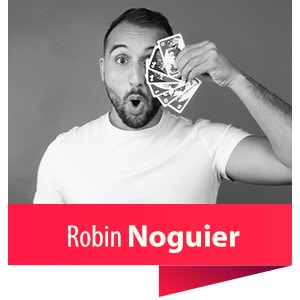
Île-de-France, November 9th, 2020.
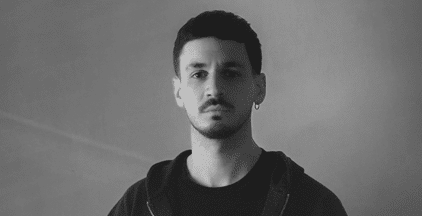
Based in France, Robin Noguier is an independent designer, creating amazing digital products and websites for startups, entrepreneurs and brands. He’s a passionate traveler and an amateur boxer with a passion for interactive design.
After a career at agencies such as Ultranoir and Ueno, he created Esperanto, a project through which he traveled the world.
In an interview with TIA, Noguier described his current role as an interactive designer and his day-to-day responsibilities.
He reflected on how to work remotely with clients and gave some advice to fellow designers. At the same time, he described his recent projects and the tools he uses the most for his work.
To kick things off please can you tell us a little bit about your city and why is a great place to work?
Answering this question is tough for me because I was mostly traveling around (when I was
still able to). I’m currently in the south of France and I would say it’s a good place to work because of the weather and the fact that not everything here is about tech.
What’s a regular day like in Robin’s shoes?
I usually wake up at around 8:30 am. I get myself ready to work, take a caffeine-free tea (I miss coffee so bad though) and start working on the hardest task that I planned the day before. I try my hardest not to reply to my emails or browse Twitter or inspiration sites first thing in the morning. My brain is fresh, so I don’t want to waste this energy.
I usually work heads-down and use Slack only if necessary until lunchtime. Then, I have lunch and I check my phone for the first time of the day. After that, most days, I do a 20 minutes meditation with Headspace, relax a bit and then go back to work.
I’m pretty focused during the afternoon working on designs, animations, or prototypes. I try to divide my time into hours block to be more efficient. In the middle of the afternoon, I go for a walk to unwind a bit. Then, I usually go back to work until it’s time to present to my client what I did during the day. After that short video call, I try to do some sport to clear my mind.
What made you decide to become a freelancer?
To be honest, I never thought about becoming a freelancer but it just naturally happened. I always did freelance projects on the side during my whole career. In 2018, I decided to quit Ueno and travel the world for my Esperanto project. During the whole year, I kept receiving freelance offers that I turned down. When I came back to France, I accepted one project, then another one, then another one… and that’s how I became a freelancer without really noticing it.
What do you feel are the keys to success when working remotely with a client?
Communication and trust. They both go hand to hand but it is vital to communicate daily with
your client when working remotely. I find a short 30min call every day at the end of your day to present what you did is the perfect way to keep the client in perfect sync and to establish a trusty relationship. Do not ever think about working in the dark for a whole week hoping for a TADA reveal moment. This is a waste of time and money for both you and your client.
The perfect client brief: Does it exist?
I know this will sound cheesy but I don’t believe in a perfect client brief. It only depends on you to turn a so-called boring project into a fun and exciting project. Also, I’m okay with a brief being a bit up in the air because it will allow for more freedom to explore solutions.
Tell us about a recent project you’ve worked on that you’re proud of. What particularly brought out the best in you?
Even if my new portfolio launched recently (shameless plug) I’m still really proud of my Esperanto project because it was done only to help others.
In January 2018, I left my job to travel around the world to discover new talents. In every country I visited over the next 12 months, I arranged to meet, interviewed, and photograph one person working in the creative field.
My goal was to meet people, discover talents and design industries that are sometimes underrepresented, and show that everyone has an interesting story to tell, no matter when they come from. I asked them about their story, their process, and the industry they are working in. I did the transcript of those interviews to create a website containing all those articles. To build a side project, it’s essential to underestimate the amount of work required.
It took me more than two years to do this project and I don’t regret any seconds I put into it. There is a lot of countries out there I haven’t been to yet so Esperanto will forever be a work in progress.
What’s the best piece of advice you’ve ever received?
The best piece of advice I’ve ever received is “when someone asks you for a coffee, bring the best one you can, but always add a piece of chocolate.” It’s pretty simple. Don’t just do what people ask for. Go beyond that, and do something that they didn’t even know they wanted. This will make you more valuable and you will learn new things along the way. Do you want to learn more about this? You’re in luck, I wrote an article about it. (second shameless plug, I know!)
Three top tools you can’t live without?
One would be a design tool like Figma or Sketch. The other one would be a prototyping tool. My go-to at the moment is Protopie which is just amazing to create prototypes that feel like functional apps. The last one would be a video communication app like Loom or Zoom to be able to present my work and stay in touch with my clients. I’d also have a hard time working without stuff like After Effects, Slack, or my inbox-zero rule on emails.
How do you keep up to date on industry trends?
To make it short, I don’t. I judge websites on platforms like Awwwards and Webby Awards and I browse Dribbble so I see those trends but I’m not interested in them. If you are following a trend, then your work will age up pretty quickly once the trend is gone. I just design the way I like things without thinking about what’s trendy now.
Can you name a fun-fact people would be surprised to learn about you?
In my ten-year career as an amateur boxer, I have an impressively unimpressive unbeaten record of 1-0-0 😉
Thanks Robin!
Follow Robin Noguier on social media and check out his Portfolio:
Robin’s Working Preferences:
Home Office, coffee shop or coworking space:
Coworking space
Wake up time:
8:30 am
Usual breakfast:
None (don't do that)
Most quoted book or movie:
The Office
Last downloaded app:
Stop Covid (please wear masks)
Favorite digital brands:
Headspace
Unusual Hobbies:
Boxing
Preferred spot in your town:
My home
If you could solve one problem in the world, what would it be?:
Covid
Agency to watch

Best in Breed since 1998. Lounge Lizard is a Digital Agency that Specializes in Brand Strategy, Website Design, Web Development, Mobile APP Development, Online Marketing, Social Media, Ecommerce, and SEOdigital experiences that move brands and businesses from now to next.
Featured agencies

135121 Views

115659 Views

109400 Views

91897 Views

88401 Views

83178 Views

74808 Views

61596 Views