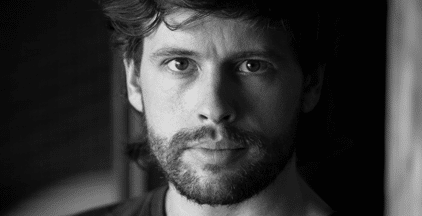
“Branding revolves around the relationship with humans”
"We firmly believe in the importance of thorough research and strategic planning to ensure the best outcomes for our clients."
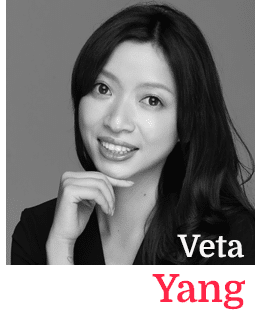 Shanghai, May 21th
ROOM 1707 is an independent global branding and digital agency born in Shanghai in 2015. They specialize in creating world-class brand and digital products, from concept to execution, and offer a wide range of services. They work for national and international clients, either large or small, building with them mutual relationship of trust and professional respect.
Veta Yang is a Creative Director at ROOM 1707. In an interview with TIA, she described her professional path from Canada to China and what she finds particularly appealing from ROOM 1707. She explained the process at the agency to create a brand’s DNA and listed some of the challenges she has encountered in digital product development.
Let’s start with, which “not so touristy” places would you recommend going to when visiting Shanghai?
Shanghai is a fascinating blend of old and new China. I recommend strolling around Jing An (Wuding/Jiaozhou Road) or Former French Concession (Fumin Road). You’ll find lively dining and drinking spots amidst traditional lane house neighborhoods. It’s a unique sight: people from all over the world enjoying cocktails, while nearby, elderly locals play street-side chess under hanging laundry. For me this is what adds to Shanghai’s charm. In few other places around the world do such contrasting elements coexist in such a wonderfully bizarre yet harmonious manner, but in Shanghai, it simply feels right.
How did you first become interested in brands and digital experiences?
Returning to China in 2012 after seven years in Canada for school, I plunged headfirst into the world of business development within startup ventures. Throughout my journey, I’ve been driven by a profound passion for crafting innovative concepts and experiences that resonate deeply with people. As time went on, transitioning my career focus towards branding felt like a seamless evolution— a natural progression sparked by the desire to create meaningful connections.
What makes ROOM 1707 stand out?
We are committed to crafting brands that inspire, make a difference, and resonate for generations to come – this goal drives everything we do. Moreover, our core team members, including designers and UX specialists, all bring previous entrepreneurial experience to the table. This diverse background significantly amplifies our strategic capabilities, ensuring that our approach is not only highly effective but also uniquely tailored to deliver exceptional results.
What are your main focuses at the moment?
In addition to developing our own agency brand, I also see it as my responsibility to contribute to the growth of the creative industry in China, even if its only in a small way. It’s my observation that branding is still a relatively emerging concept in our context, with many practices perhaps not yet reaching their full potential, leading to undervaluation of creative work. I believe that collectively, as members of the creative community, we can all play a part in nurturing a more vibrant and supportive environment for creativity to flourish.
Can you walk us through ROOM 1707’s process for developing a brand’s DNA and defining its unique identity and values?
Branding serves two essential purposes: firstly, to distinguish a brand from its competitors, and secondly, to establish a meanigful, emotional connection between its products / services and consumers. A solid positioning strategy helps a brand uncover its competitive edge, define its identity, and identify its target audience.
Understanding your identity is crucial, particularly for lifestyle brands. It’s essential to define what you represent. In today’s market, clients are searching for brands that offer values beyond their products. Highlighting the culture, lifestyle, identity, and social belonging that your brand provides to clients is paramount.
In what ways have you encouraged creativity and innovation in your agency?
For us, ditching bureaucracy and hierarchy in the company is the initial move. Discipline is for those who lack self-motivation. At Room1707, we’re all about fostering a safe and inspiring environment where creativity and passion thrive. Being results-driven means everyone has the freedom to set their own rules and take the lead, as long as we’re all paddling in the same direction. Another thing is that we embrace learning from mistakes, we see them as opportunities for growth.
When taking on a new client or project, what factors do you consider when selecting the team or technical profiles that will be assigned to it?
While I have full confidence in the skills and experience of our team members to tackle any task, I also prioritize cultural awareness and sensitivity. This aspect is fundamental in our work. It’s crucial to understand our audience and what truly connects with them.
What challenges do you commonly encounter in digital product development, and how does ROOM 1707 overcome them?
In my experience, a common challenge in digital product development revolves around managing unrealistic timelines. Clients often seek high-quality results within short timeframes, which can pose a dilemma. On one hand, there’s pressure to deliver quickly, but on the other hand, rushing the process can compromise the user experience. We firmly believe in the importance of thorough research and strategic planning to ensure the best outcomes for our clients. Therefore, we strive to strike a balance between meeting deadlines and maintaining the integrity of the project by prioritizing quality and user satisfaction.
What do you think will be the key trends for staying relevant in 2024 and beyond?
I am a firm believer in the core principles of branding, emphasizing storytelling and emotional connection. Whether through purpose-driven marketing strategies, interactive experiences, or digital transformation, the essence of successful branding remains consistent: forging deep connections with your audience to elevate your brand into a cultural phenomenon and a source of lifestyle inspiration.
What are your thoughts on A.I?
From my vantage point as a branding specialist, AI presents a fascinating landscape ripe with possibilities. It’s not just about the technological advancements or efficiencies it brings; it’s also about the profound implications it holds for branding strategies. AI has the potential to revolutionize how brands understand and engage with their audiences. From personalized marketing campaigns driven by data insights to chatbots offering seamless customer support, AI allows brands to tailor their interactions in ways that feel more human and authentic. However, it’s essential to approach AI integration thoughtfully, ensuring that it enhances rather than detracts from the brand’s identity and values. But of course, it’s a concern how AI advances so fast, raising questions about ethics, privacy, and the potential for unintended consequences. Despite these challenges, the intersection of AI and branding offers a dynamic arena for innovation and creativity, where the boundaries of what’s possible continue to expand.
How would you describe the creative industry in Shanghai?
Just like the city of Shanghai itself, the creative industry here is an exciting mix of cultural clashes and international flair. It’s a lively scene where traditional values mingle with global trends and diverse talents, creating a nurturing environment that stands at the forefront of China’s creative scene. This blend of cultural influences makes the city a unique hub of inspiration.
Do you think someone can get into the field without educational experience in a school environment?
Branding revolves around the relationship with humans, rather than being merely a concept. It’s intuitive yet grounded in a wealth of experiences not just professional experience, but a diverse range of life experiences. Seize every opportunity to immerse yourself in different cultures, make meaningful connections with diverse individuals, visit places, try new things and embrace life to the fullest. It’s through these experiences that you develop the sensitivity I often emphasize and hone your branding “instincts”.
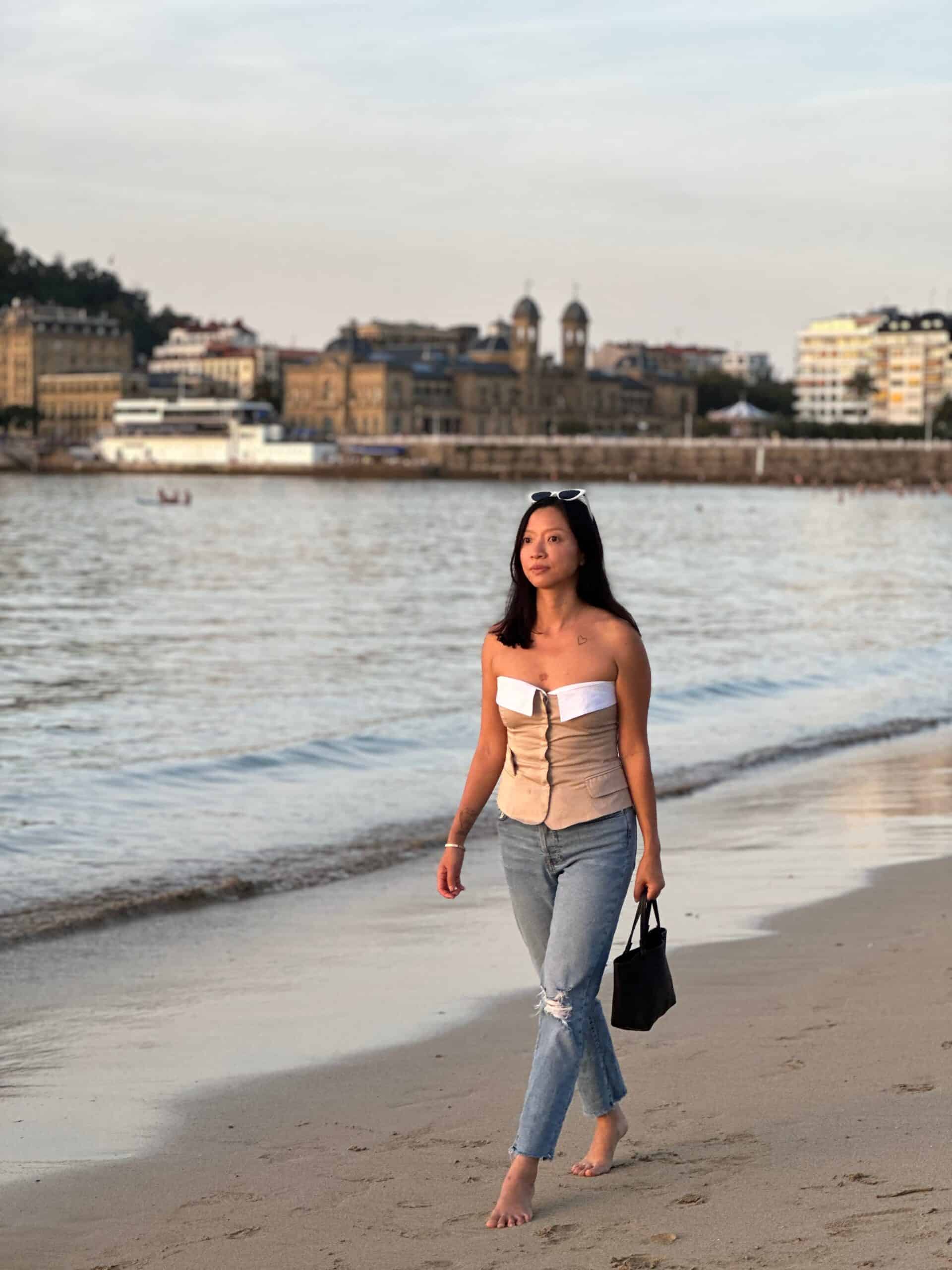
Are there any hobbies or activities outside of work that you enjoy and find inspiration from?
Lifting weights. It might not sound as glamorous as other competitive sports, but for me, it’s something special. It’s one of those things where I feel like I’m in control. And the best part is, when I put in the work, I actually see results. It’s like a direct payoff for my effort. Working in the creative industry can be a real stress-fest, but hitting the gym and lifting weights? It’s my go-to for shaking off that stress and finding my balance again.
Can you name a fun-fact people would be surprised to learn about you?
I am an English voice actor – It all started as a favor to a client. They needed a voice, and I happened to have one that fit the bill. Next thing I know, one gig turns into more and now I’m voicing characters like a mischievous 5-year-old and a witty parrot in an educational series. But it’s more than just gigs for me—it’s my creative therapy on the side.
Veta’s Working Preferences:
Early Bird or Night Owl?:
10000% a Night Owl.
Usual breakfast:
Avocado and eggs on toast and a matcha latte.
Favourite Color:
Black and White all the way.
Last place traveled:
Lebanon! It was hell of a trip!
Last downloaded app:
Air France.
The game you’re best at:
Not a gamer.
Preferred spot in your city:
Gyms.
What makes a good day at work?:
Leaving work feeling inspired.
Agency to watch

Best in Breed since 1998. Lounge Lizard is a Digital Agency that Specializes in Brand Strategy, Website Design, Web Development, Mobile APP Development, Online Marketing, Social Media, Ecommerce, and SEOdigital experiences that move brands and businesses from now to next.
Featured agencies

135086 Views

115631 Views

109379 Views

91873 Views

88362 Views

83151 Views

74775 Views

61573 Views