“Every business or marketing problem is a human problem to solve”
“Every business or marketing problem is a human problem to solve”
Executives need to be close to the work to ensure their vision is relevant and achievable
 Chicago, April 24th
VSA Partners is a global strategy and creative agency based in Chicago with offices in New York and San Francisco. They blend consumer insights and data with human-centered design to activate meaningful, motivating and measurable experiences. VSA offers a full range of fully integrated capabilities—branding, advertising, data science and technology.
Anne-Marie Rosser is the CEO at VSA Partners. In an interview with TIA, Rosser walked us through her transition from working in strategy at agencies to taking on an executive role and explained the challenges she faces in her current role. She also gave some examples of VSA’s recent work and listed some of the important elements brands should prioritize.
To get things rolling, could you share a bit about your journey and how you’ve arrived at this moment in your career?
I started out in an account role function but really felt that I was doing the strategy lift. At the time, I asked our CEO if I could start a strategy function and he said “sure.” So, I played in the strategy space for about 15 years at a few agencies, and then ultimately decided I wanted to apply what I had learned in strategy to grow relationships in a more consultative way. I did that for about 10 years before moving into a role as agency president and then CEO.
What’s the best thing about living in Chicago?
The food and the people! It’s a beautiful city that has scale—but also has great neighborhoods and can feel small. It’s a very livable city. It also has a great food scene with anything you can imagine. Like any city, it’s really about walking the neighborhoods to get a feel for it.
What are your main focuses at the moment?
It’s been a really transformational time in the industry at large, and for our agency. So much so that our attention can get very fragmented. My focus now is on prioritization and execution. It’s easy to get distracted, but execution is still imperative, and that requires the ability to prioritize what is most important and let some of the rest wait.
As CEO, how do you balance the high-level strategic vision with the day-to-day implementation at VSA?
I’m still learning! As a relatively new CEO, this is one of my challenges. But I think it’s really critical that executives are close to the work to ensure their vision is relevant and achievable. In some ways, vision is the easier part. It’s execution—through the day to day—that determines your success. I have a really great team that challenges me and keeps me honest on both fronts as we try to reserve time that is focused on 50,000-foot issues and time that is reserved for day to day. This helps all of us change gears together.
In what ways have you encouraged creativity and innovation in your team?
I want people to experiment and not view it as a failure if an idea doesn’t work out. This doesn’t relate just to client work, but to our own internal structure and processes as well. Right now I think it’s about staying very close to culture and the pace of change, and encouraging teams to meet clients where they are while still having the courage of their convictions. We also have an internal drive to “own” ideas and innovation. We hold each other accountable.
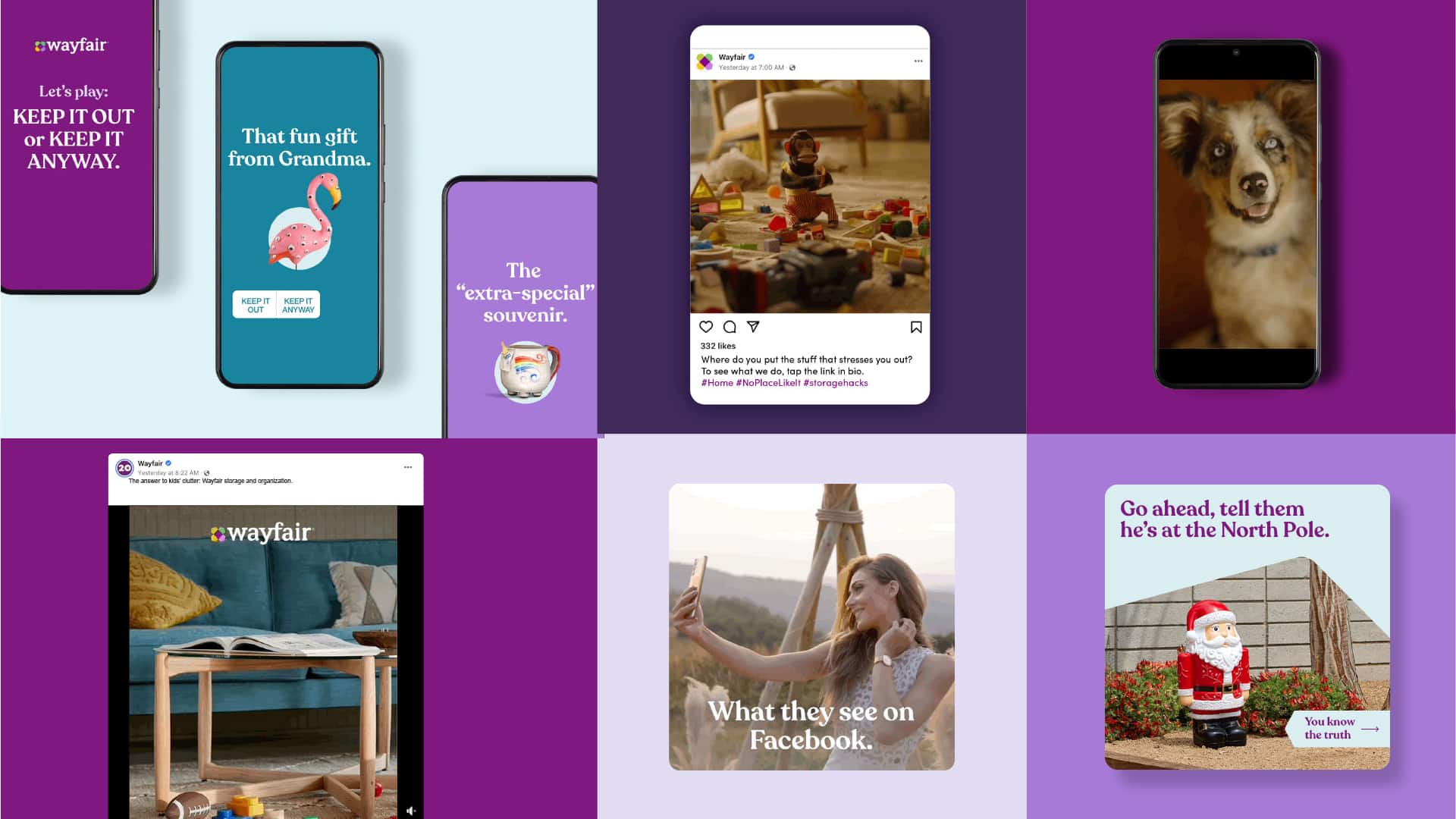
Can you provide examples of how VSA has successfully activated meaningful experiences for its clients in today’s noisy world?
Most recently, we rolled out a campaign for our client FactSet that I think really embodies that goal. FactSet is a global financial digital platform and enterprise solutions provider—it’s heavily in the B2B space. When we were designing the campaign for them, we thought about how so much of B2B advertising is frankly very boring and decided to do something different. The campaign has three different spots, and they’re all really funny! You can check them out here. We think that a smart departure like this from the category norms makes B2B brands stand out in a good way and keeps people thinking about that brand experience long after.
When it comes to creating digital ecosystems that connect with audiences, what elements do you believe are the most important for brands to prioritize?
Honestly, I think it comes back to basics versus always focusing on just “what’s new” in digital. For an ecosystem to work, it has to have movement, and that means 1) know your audience and what they are about, and then 2) reduce friction as they move freely within the ecosystem. If you miss these fundamentals, the rest doesn’t work. I think the other secret is in your question itself: “prioritize”. As I mentioned a few answers ago, prioritization isn’t easy—it takes real discipline. Brands that can prioritize, which inherently means giving other things up, stand a much better change of thriving.
What do you think will be the key trends for staying relevant in 2024 and beyond?
Relevancy is achieved by deeply understanding your audience and acknowledging that even once you know them deeply, you’re never done. You have to keep returning to that well to understand what has changed, because what’s relevant to them changes. Trends can be significant or fleeting, but certainly understanding cultural currency is important. It becomes truly meaningful only when you can connect it back to your specific audience and what they care about. So, I guess I’m less concerned about the trends that may stay or go, and more about how audiences are shifting their attention and why.
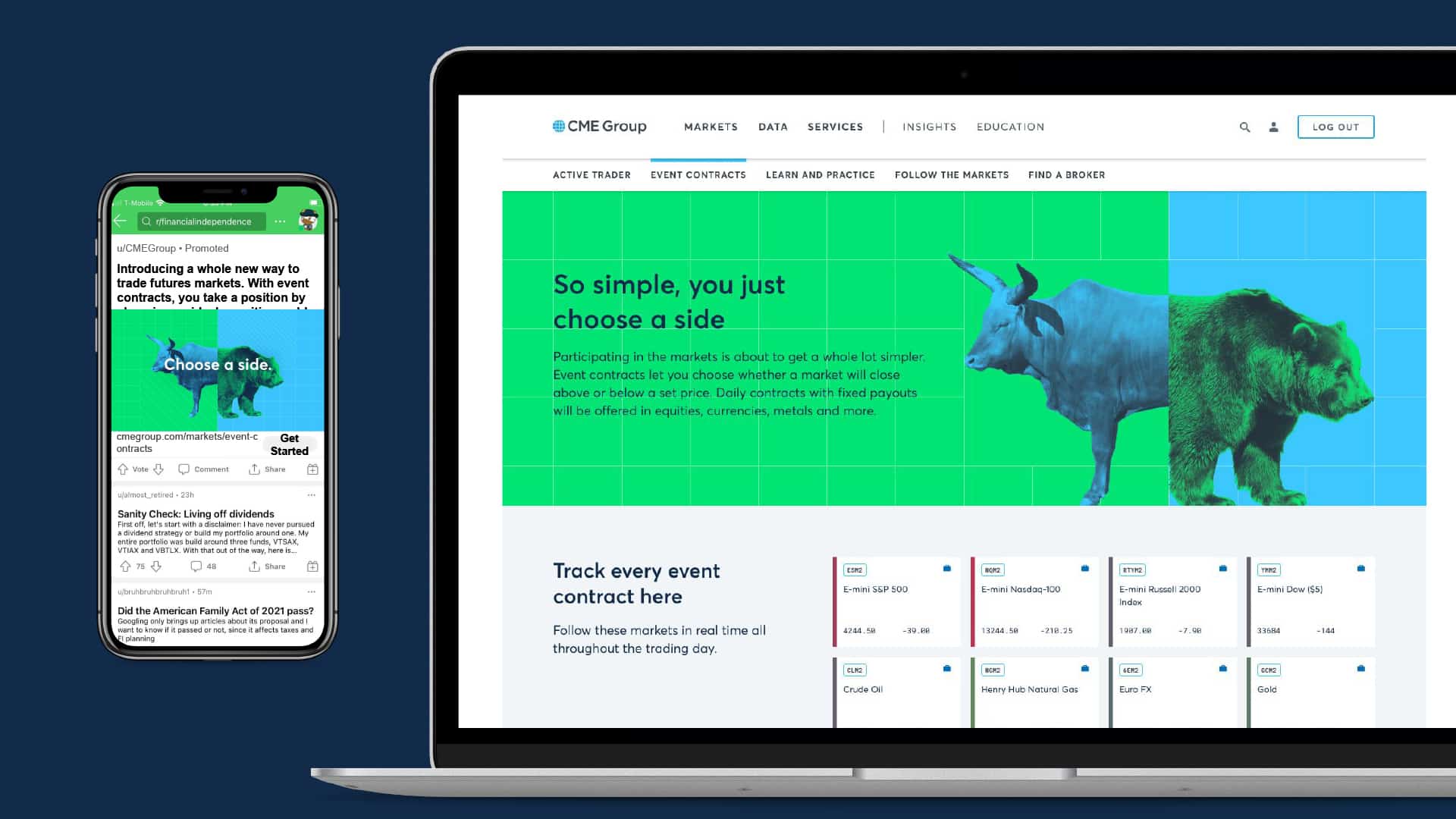
Where do you see the human-centered design going?
What a great question. Our purpose is to “design for a better human experience,” which is a lofty goal for an agency. But it’s because we fundamentally believe that behind every business or marketing problem is a human problem to solve. There is more and more data that supposedly tells us EXACTLY what people want and where. I think it’s useful to take some of that data with a grain of salt because it is inherently backwards looking. People are unpredictable, so human-centered design in part means remembering the human tendency to surprise and remembering to have empathy for a real human problem that needs to be solved. Sometimes trusting your gut and pushing to disrupt the data is the best way to think about where human-centered design will go because it looks forward rather than back.
In today’s technological landscape, what recent developments or trends make you say, “wow”?
I would have to say TikTok is the platform or emergent player that I still say “wow” to in terms of how disrupting it is. It is fundamentally changing our relationship with all content—news, information, brands, entertainment. Building off of what social platforms started, TikTok is changing information and commerce more profoundly. The biggest takeaway for me is the serious shift in our attention span and how information is consumed. The ongoing shift from a “broadcast to your audience” model to “show up where the conversation is already happening” has big implications for everyone, and I don’t know that we’ve fully cracked the code on what it will mean.
How would you describe the creative industry in Chicago?
It’s alive and well. I am seeing small startups of every stripe, including agencies, pop up everywhere and do great work. Chicago remains a place where people are more focused on the ideas and the work than the marquee, so I think that’s a real strength.
Could you discuss your role within Meet The People and how it aligns with VSA’s goals and values?
VSA brings brand strategy and activation to the table for MTP. Our deep design heritage and consultative style allows us to go deep with clients to drive results. MTP’s belief that agencies can still be independent while benefiting from shared values and collaboration is part of VSA’s ethos and how we work.
Do you think someone can get into the field without educational experience in a school environment?
This is such a great question. As a parent with three kids nearing college age, it’s one I’m asking! I absolutely think that creatives can break into this industry through routes other than traditional education. The most important attributes are having ideas, communication skills, and the ability to collaborate.
In general, what role do you think designers have to play in building more-accessible societies?
Designers, creators, writers—they all play a huge role. We know that representation matters, so whether that is via illustration, casting, voice talent or accessibility in technology, they all drive our ability to reflect the world we live in with a more accurate and inclusive approach. It’s exciting. We don’t always get it right, but it’s something we continue to challenge our creative teams to think through.
Who or what has been your biggest source of inspiration in your personal life and how has it influenced your creative work?
My mom is an artist, and I think spending summers with her growing up in New York was very formative. Learning to see and appreciate aesthetics in all different areas of life is a huge part of my work life, but also my life outside of work. While I’m not a creative and came up through strategy, I am fascinated by the work that creative can do. I speak the language.
When you have free time, what hobbies or leisure activities do you find most enjoyable and rejuvenating?
I’ve been a bookworm for life, and then just being outside, gardening, travel. All the good things!
From your personal standpoint, what global issues are you most passionate about and why?
There are so many! But I would say that issues around women’s rights are closest to me. This is because of my own experience, but also having three kids at a time when access to women’s rights are being reduced. I’m also very cognizant of what has been changing in the workplace for women and how I can model the type of behavior and leadership that I feel women should be able to claim for themselves. There is still a lot of “micro-misogyny” out there: exclusionary behaviors, mansplaining, lack of confidence in a different leadership style that favors listening as much as pontificating.
Can you name a fun-fact people would be surprised to learn about you?
People tend to be surprised by my sleeve tattoos. That’s not the vibe I give off when people first meet me (apparently).
Anne-Marie’s Working Preferences:
Early Bird or Night Owl?:
Neither!
Usual breakfast:
Coffee and granola with yogurt and blueberries
Most quoted book, TV Show or movie:
I feel like that’s a guy thing ;)
Last place traveled:
Miami
Favorite music genre or band:
Indie rock
The game you’re best at:
Email or text joke threads
Preferred spot in your city:
Lakefront
What makes a good day at work?:
Humor
Thanks Anne-Marie!
Learn more about: VSA Partners
Follow Anne-Marie on social media:
LinkedIn
Follow VSA Partners on social media:
LinkedIn
Agency to watch

Best in Breed since 1998. Lounge Lizard is a Digital Agency that Specializes in Brand Strategy, Website Design, Web Development, Mobile APP Development, Online Marketing, Social Media, Ecommerce, and SEOdigital experiences that move brands and businesses from now to next.
Featured agencies

135194 Views

115718 Views

109445 Views

91944 Views

88472 Views

83236 Views

74868 Views

61629 Views