“Taste, Soul, and the Intuition to Turn Left When the Rest of the World Is Turning Right” — Left Field Labs’ Rich Foster
“Taste, Soul, and the Intuition to Turn Left When the Rest of the World Is Turning Right” — Left Field Labs’ Rich Foster
Technology will always give you more tools, but you also need a soul to create something that feels authentic.
Brooklyn, New York, June 10th, 2026
 Headquartered in Culver City, California, Left Field Labs is an elite creative technology partner dedicated to building what’s next for the world’s most ambitious brands. Since 2008, the agency has delivered comprehensive end-to-end transformation by seamlessly integrating strategy, innovation, and execution into extraordinary digital, immersive, and AI-powered products. By keeping the core focus firmly anchored on real users and fundamental business problems, Left Field Labs transforms breakthrough technologies into meaningful platforms for industry leaders including Google, Amazon, and Meta.
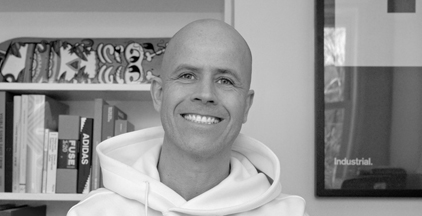
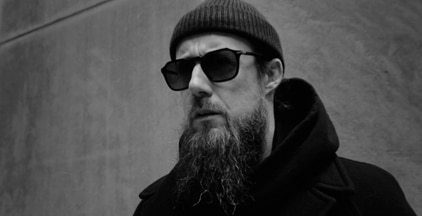
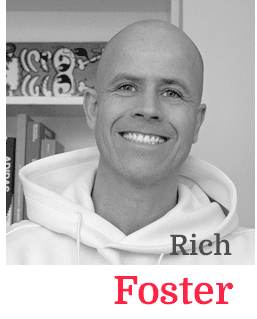
Leading this creative vision from the East Coast is Rich Foster, Executive Creative Director (ECD) at Left Field Labs. Originally from Tamworth, UK, and firmly rooted in Brooklyn for over two decades, Rich brings 25 years of cross-cultural design expertise to the intersection of lifestyle, creativity, and tech culture. A former DJ with a “digger” mentality for uncovering rare visual material, he approaches experience design with a serious dedication to deep craft, human emotion, and authentic simplicity. For Rich, true innovation requires moving past superficial industry trends and algorithmic noise to protect the foundational soul of a brand — proving that the most memorable digital environments are built by trusting the process, setting clear directions, and maintaining the creative intuition to turn left when the rest of the world turns right.
Key Takeaways
- Technology-First Focus Is a Red Flag: True innovation never begins with the tool. Long-term digital impact requires keeping strategy anchored on three unmoving constants: the brand, the user, and the problem.
- Simplicity Drives Memory Over Noise: In a world built on infinite scrolling, digital experiences become memorable through rigorous simplicity. Impact is achieved through high-utility tools that minimize cognitive load.
- Look Outside Your Category for Inspiration: Bypassing predictable creative tropes means looking beyond direct competitors. The most disruptive design solutions are often drawn from analog frameworks or out-of-category industries.
Rich, it’s great to have you. To start at the beginning: you grew up in Tamworth before moving through the UK and eventually landing in New York 25 years ago. Looking back, what were the early influences or “origin stories” from those English roots that first drew you toward the world of design and digital craft?
Music was certainly a major influence. From the punk flyers and photocopied zines of the late 80s alternative scene to the emergence of rave culture, a vivid and exciting visual language was born. The identities and brands of individual club nights like Fabric, Cream, and the Hacienda were a real draw. I have always been interested in youth culture and the identities that emerge from it; they typically possess a distinct design aesthetic and brand that defines them.
You’ve been firmly rooted in Brooklyn for over two decades now. For a friend visiting the borough for the first time, what’s one ‘local secret’ or experience you would insist they try to truly feel the creative soul of your neighborhood?
Public Records is a great venue tucked away in Gowanus. They have a vegan restaurant which is worth a go and a great sound system where you’ll hear one of the resident DJs spinning vinyl. Late at night, the club is worth a visit. My main advice is to get out of Manhattan and take the train out to Brooklyn. From the North Brooklyn music and bar scene to South Brooklyn, you’ll find great neighborhoods, different cultures, food and bars. People spend too much time in Midtown and miss out on where the scene is really happening.
In a role that demands high-level creative leadership across massive platforms, how do you manage your own daily rhythm to ensure you stay connected to the “craft” and the intersection of lifestyle and tech that you care so deeply about?
I always need something creative in my day, especially when there are a lot of meetings discussing work. I tend to start very early in the morning, since I am usually up around 5:30-6 AM. This allows me to get a lot of thinking done, sketch out ideas or concepts, or edit photos I’ve recently taken. I always have a project away from paid work that keeps me honest. As a former DJ, I have a “digger” mentality for seeking interesting visual material. I find a lot of inspiration outside of what I do, and this has always been my method for discovering new ideas.
Left Field Labs is described as a partner that “builds what’s next.” In an industry that often chases the newest shiny object, how do you define “innovation” so that it delivers long-term impact rather than just a temporary gimmick?
If you are talking about technology first, that’s a red flag for me. The current climate has a lot of “experts” telling you that design is dead, or agencies are over, or something that sounds very absolute. It’s too easy these days to say things without any substance (particularly on platforms like LinkedIn) and have people buy into it. Innovation is about change and evolution. However, change also needs validation that what you created made a measurable impact. At Left Field, we stay curious, question everything, and stay focused on the goals of a project. The constants are brand, users, and problems to solve. Technology will always give you more tools, but you also need a soul to create something that feels authentic.
You’ve led the creation of products for everything from fashion and luxury to finance and healthcare. Is there a universal “truth” about digital storytelling that stays consistent regardless of the industry or the platform?
It’s about trusting the process, which starts by making sure the problem is clearly stated. We spend our time doing our homework to set the project up. We push to explore and find the edges, encouraging our teams to think beyond the brief. We also stay open-minded to new methods that can create new experiences or interactions, or allow us to spend more time focused on the making aspect of the project — that’s the fun part for me. I also trust instinct and try to get something emotive into the work. In the current climate of better, faster, cheaper, there’s often something missing. I always stay focused on what the brand stands for, as that is the foundation of everything and is not spoken about often enough in my view.
As an Emmy Award-winning designer, you’ve seen the evolution of screens from TV to mobile to emerging tech. How does that background in entertainment influence the way you approach products for “Big Tech” partners like Google or Meta?
Having a broader range of experiences to draw from is always helpful. When we’re working with big tech, we aren’t typically looking at other players in the vertical for inspiration; we find more interesting things that have been solved out of category or even from something analog. Brands are trying to connect with customers in meaningful ways and those customers are constantly changing their needs and expectations. What’s important is to stay grounded, not get caught up in trends and instead, have a clear idea that guides the work you’re doing.
You are a creative leader who is serious about what makes digital work “memorable.” In a world of infinite scrolling, what is the “secret sauce” that makes a digital experience stick in someone’s mind long after they’ve closed the tab?
Simplicity is something I have always strived for. That can manifest as an easier way to find something, a really useful utility or something that pulls me in and makes a digital experience engaging.
Left Field Labs specializes in “end-to-end transformation.” When you are integrating strategy, innovation, and execution, where do you usually find the most “creative friction” — and how do you turn that into a breakthrough?
One of the things I appreciate most about LFL is the diversity of perspectives. This creates a healthy tension in our work, ensuring we push into new spaces where we can elevate the experience. When staffing projects, I look for a balance of personality, technical skill, and ambition. Personality is the thing that keeps the team motivated and entertained, technical skills make the work possible, and ambition is the fuel for our collective curiosity.
We’re witnessing a ‘content collapse’ of AI-generated noise. How does a studio like Left Field Labs ensure a brand remains relevant without just becoming part of the algorithm’s echo chamber?
It’s important not to let technology dominate the conversation. Just because something is possible, doesn’t make it the solution. I’ve seen enough changes in my career to not be too tempted to jump at the shiniest thing. When you let technology take over you inevitably lose some of the soul. It’s important to tread the line between curation and discovery. We have a set of powerful tools that allow us to create new things, yet we still have to stay grounded in solving problems and making sure we deliver impact.
In a future where AI can instantly generate and optimize entire digital ecosystems, what is the one ‘human’ value a creative leader provides that will actually be worth paying for five years from now?
Taste, soul, authenticity, and the intuition to turn left when the rest of the world is turning right. I’m a strong believer in the power of youth culture to create movements and define what “cool” means. This has always happened regardless of technology, and it’s one thing you can guarantee.
For a student looking to enter this creative technology world: what’s one ‘insider’s hint’ about the future of the field that they won’t find in any design syllabus?
Don’t believe the noise on platforms like LinkedIn. The design industry isn’t dead; it’s polluted with a lot of garbage that’s masquerading as good design. Stay curious, learn new tools, and stay true to yourself. If something doesn’t feel right, it probably isn’t. Work hard and stay curious. The future will be designed by the younger generation as it always has been.
To wrap things up: when you finally take a break from the screens and the “next,” where do you feel most at peace, and do you have a favorite writer or artist who currently inspires your work?
I am inspired by a vast array of influences. Currently, I am deep into the “25 Years of Fabric” book, which explores the history and visual language of the club. I love its unique aesthetic and how Village Green brought that vision to life. I’ve also pulled out the classic Fuse work by Neville Brody – some great expressive examples of typography. As a lifelong collector of design books, I regularly dig them out to find inspiration away from the screen.
Rich’s Working Preferences:
Morning ritual:
Coffee in the garden before anyone else is awake in the house
Risk appetite:
Always
A quote you live by:
This Bowie quote from the 97 interview with Q magazine is a great one: “I think it’s terribly dangerous for an artist to fulfill other people’s expectations. I think they generally produce their worst work when they do that. Always remember that the reason that you initially started working was that there was something inside yourself that felt that if you could manifest it in some way, you would understand more about yourself and how you coexist with the rest of society I think it’s terribly dangerous for an artist to fulfill other people’s expectations. If you feel safe in the area that you’re working in, you’re not working in the right area. Always go a little further into the water than you feel you’re capable of being in. Go a little bit out of your depth. And when you don’t feel that your feet are quite touching the bottom, you’re just about in the right place to do something exciting.”
The non-negotiable in my workflow:
Never settle
Habit you had to unlearn:
Chasing perfection. Work/life is a journey, let it happen.
The lead indicator I watch:
Not to get too caught up or influenced by whatever everyone else is doing. The current climate has too many clones, cut corners and instant gratification
Where you think best:
Away from digital noise and distraction
Experience Design and Authentic Innovation: Lessons from Rich Foster at Left Field Labs
- Technology-First Focus Is a Red Flag: True innovation never begins with the tool. Long-term digital impact requires keeping strategy anchored on three unmoving constants: the brand, the user, and the problem.
- Simplicity Drives Memory Over Noise: In a world built on infinite scrolling, digital experiences become memorable through rigorous simplicity. Impact is achieved through high-utility tools that minimize cognitive load.
- Look Outside Your Category for Inspiration: Bypassing predictable creative tropes means looking beyond direct competitors. The most disruptive design solutions are often drawn from analog frameworks or out-of-category industries.
- Staff for Healthy Project Tension: End-to-end transformation requires balancing diverse perspectives. High-performance teams require a deliberate mix of motivating personality, raw technical skill, and ambitious curiosity.
- Taste and Soul Demand the Highest Premium: As automation scales, market value centers on non-replicable human traits. Real relevance relies on professional curation, authentic taste, and the intuition to turn left when the algorithm turns right.
Agency to watch

Best in Breed since 1998. Lounge Lizard is a Digital Agency that Specializes in Brand Strategy, Website Design, Web Development, Mobile APP Development, Online Marketing, Social Media, Ecommerce, and SEOdigital experiences that move brands and businesses from now to next.
Featured agencies

135207 Views

115732 Views

109454 Views

91952 Views

88490 Views

83247 Views

74878 Views

61640 Views